What Is a 3D Learning Platform? A Guide for Schools
Merge 3D was built around a simple idea: students should be able to interact with what they’re learning.
3D learning is becoming a bigger part of the conversation around classroom technology. But with so many tools using terms like 3D, augmented reality, immersive learning, and spatial learning, it can be difficult for educators to know what they are actually getting. For schools, a 3D learning platform should be more than a collection of impressive 3D models. It should give students meaningful ways to see, explore, manipulate, create, and share as part of the learning process.
A beautiful 3D model can certainly capture a student’s attention, but a platform designed specifically for learning should go further. It should connect 3D experiences to curriculum, give teachers practical resources, and give students opportunities to create and interact with concepts in ways that traditional 2D resources cannot. So, what should schools look for when evaluating a 3D learning platform?
It Should Work With the Technology You Already Have
Introducing 3D learning shouldn’t mean replacing an entire technology ecosystem. For many schools, that means finding tools that work with devices already available in classrooms, including tablets, Chromebooks, and PCs. The technology should fit naturally into the classroom rather than requiring schools to build an entirely new infrastructure around it.
🪐 4th grade @APS_SPARK Dragons🐉 took planet exploration into their own hands with @MergeEdu! Using Merge Cubes, students explored our solar system in 3D, comparing planets and making observations along the way. 🌎✨ @APSInstructTech @STEMbieda @apsitnatasha @DrJohnsonSPARK pic.twitter.com/MH3FQJgMyu
— Mylecia Sims (@APSITMylecia) September 24, 2026
This is one of the ideas behind Merge EDU: making augmented reality approachable without requiring specialized VR headsets or expensive hardware. The Merge Cube adds another dimension by allowing students to physically hold and interact with digital 3D content. Instead of simply looking at a model on a screen, students can rotate it, examine it, and explore it from different perspectives. The result is a learning experience that combines digital content with physical interaction.
The Content Should Be Built for Learning
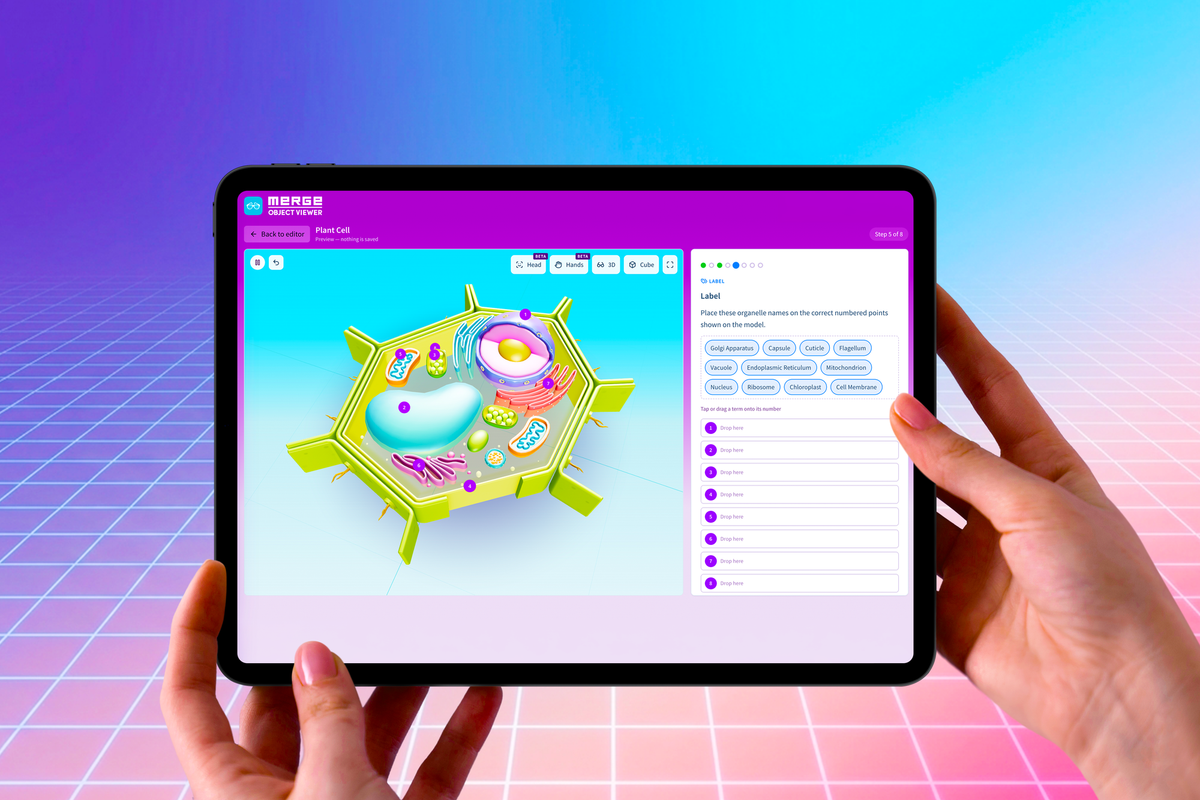
There’s no shortage of impressive 3D content. The more important question is whether teachers can actually use it as part of a lesson. A 3D learning platform should provide content that connects to what students are expected to learn. Merge EDU was designed around science and STEM learning, with K–12 content aligned to NGSS and state science standards. The platform includes more than 1,000 annotated digital teaching aids and more than 100 interactive science simulations.
🚀 ¡La ciencia cobra vida en 1º de ESO! 🌍
— Fernando Boillos (@FernandoBoillos) September 21, 2026
Gracias a la realidad aumentada y el Merge Cube, nuestro alumnado sostiene en sus manos el Sistema Solar, las capas de la Tierra y los movimientos tectónicos. 🌋🪐
Tecnología e innovación que disparan su motivación por aprender. ✨ pic.twitter.com/doZTL8vOtF
That means students can explore everything from cells and anatomy to fossils, Earth systems, weather, and space. And because these experiences are interactive, students aren’t simply observing a picture of a concept. They can manipulate and investigate it. They can hold the Earth in their hands, explore a DNA molecule, examine a virtual frog, investigate a plant cell, or explore satellite data from NASA and NOAA. These experiences can help make abstract science concepts more tangible and give students another way to investigate ideas that can be difficult to visualize through a textbook or traditional screen.
 Merge EDU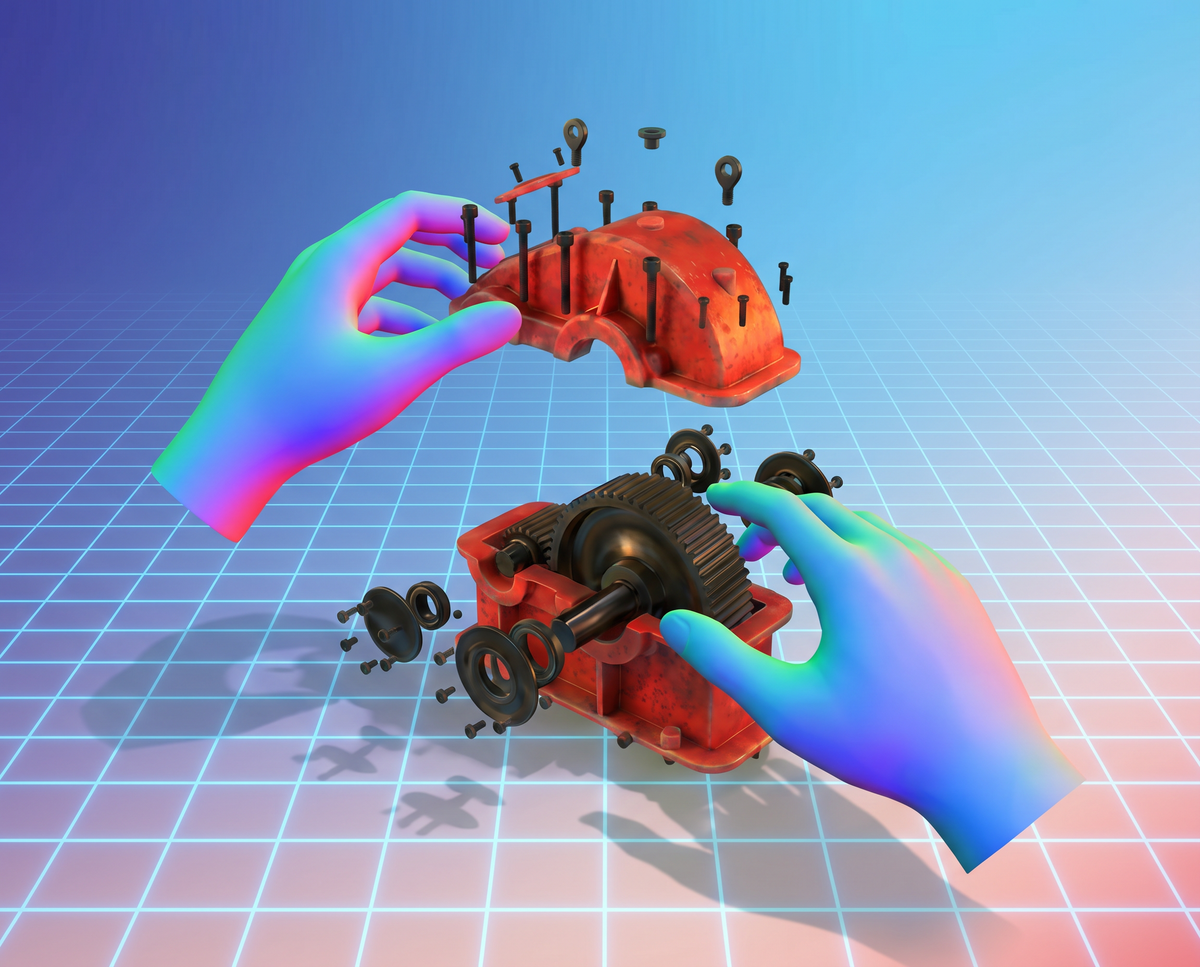
Students Should Be Able to Create, Too
One of the biggest differences between a 3D content library and a 3D learning platform is what happens when students become the creators.
Merge 3D gives students opportunities to scan real-world objects, upload 3D models, edit their creations, and add multimedia labels. Students can also bring models created in tools such as Tinkercad and Minecraft into their Merge experiences. That opens up an entirely different approach to 3D learning. Students can create a model, inspect it in augmented reality, explain their thinking, make changes, and share the result with others. Instead of simply consuming digital content, they can use 3D technology as a way to communicate what they know.
 Merge EDU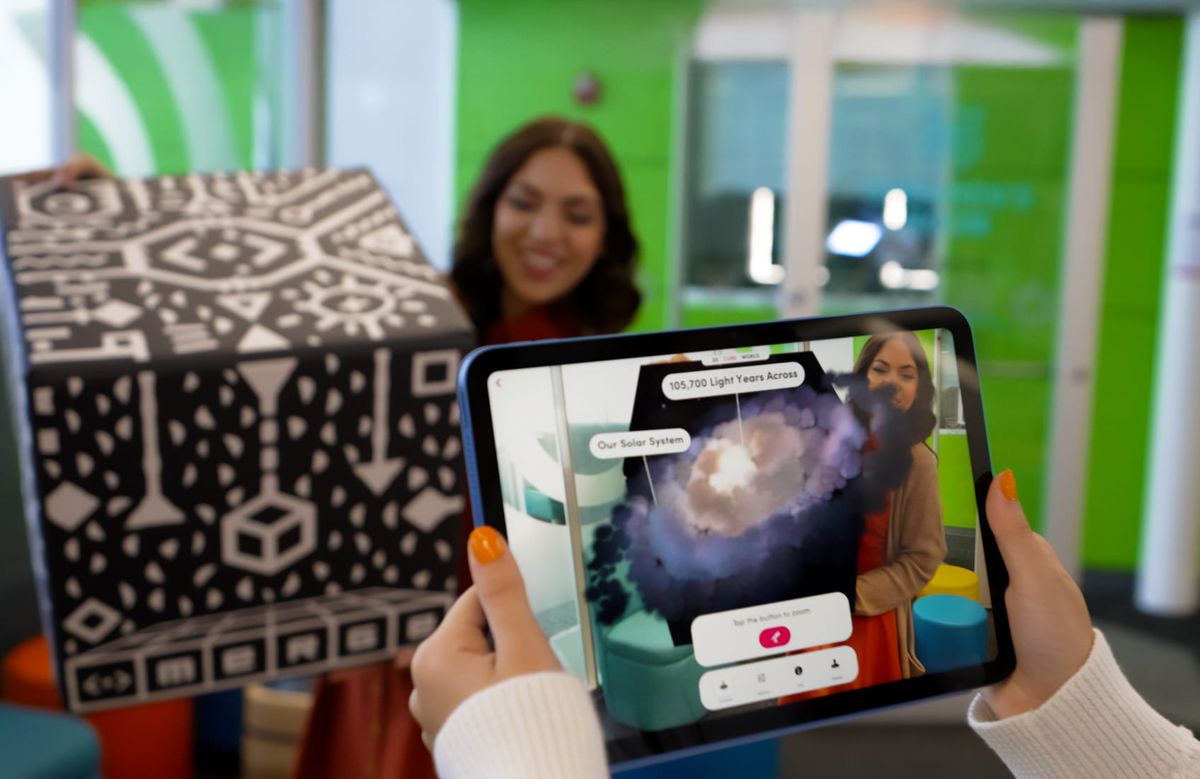
For STEM and makerspace programs, this can also support the engineering design process. Students can visualize designs before committing them to a physical 3D print, identify problems, iterate, and collaborate. The technology becomes part of the creative process—not just the presentation.
Teachers Need a Way Into the Technology
Even the most exciting technology isn’t useful if teachers have to spend hours figuring out what to do with it. A strong 3D learning platform should make it easy for teachers to get started and provide resources that connect technology to instruction.
Merge 3D includes a teacher dashboard with student management tools, progress tracking, digital teaching aids, science simulations, activity plans, STEM projects, and other classroom resources. That matters because implementation is just as important as innovation. Teachers shouldn’t have to become 3D designers before they can introduce 3D learning. The technology should support the teacher rather than create another complicated system to manage.
For educators who are new to integrating technology, having ready-to-use experiences and activity plans can provide an easier starting point. For teachers who want to go further, creation and customization tools provide room to build more student-driven experiences.
 Merge EDU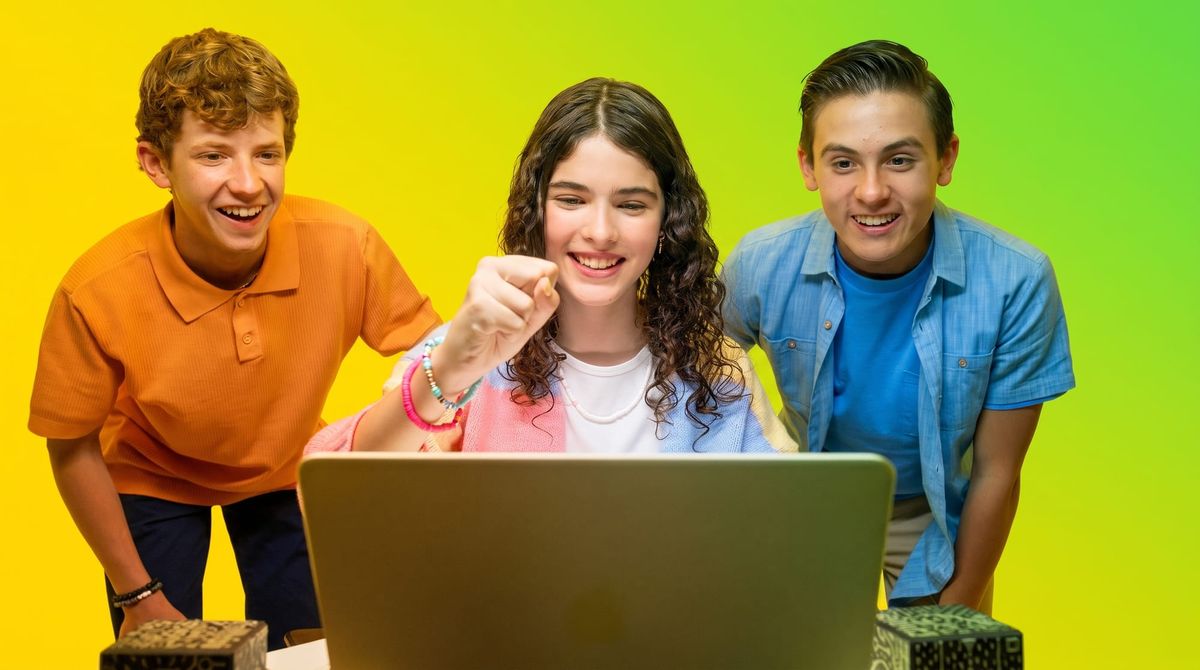
3D Learning Can Make Abstract Ideas Tangible
One of the most interesting possibilities of 3D learning is its ability to give students a different way to experience concepts that are otherwise difficult to see or visualize. Think about the difference between looking at a diagram of Earth’s layers and holding a 3D model that you can rotate and inspect, or looking at a picture of a fossil versus examining a digital fossil in your hand. The goal isn’t to replace traditional instruction. It is to give teachers another way to make complex ideas visible and tangible.
Merge’s product messaging emphasizes the multisensory nature of these experiences, allowing students to engage with digital content through visual, auditory, kinesthetic, and tactile interaction. That physical interaction is particularly important with the Merge Cube. Students aren’t just looking at a 3D object. They can hold it, turn it, move it, and investigate it from different perspectives.
 Merge EDU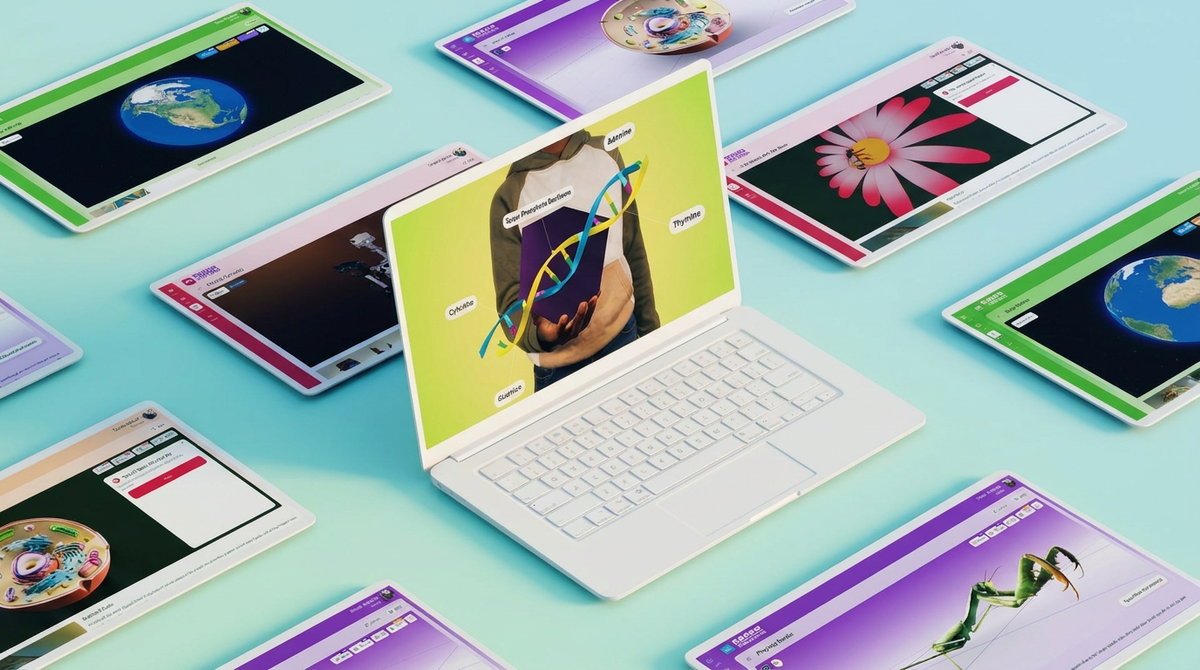
A 3D Platform Should Connect to the Curriculum
Perhaps the most important consideration for schools is whether 3D technology has a meaningful place in the curriculum. 3D technology should not exist simply because it is new. It should have a reason to be in the classroom.
 Merge EDU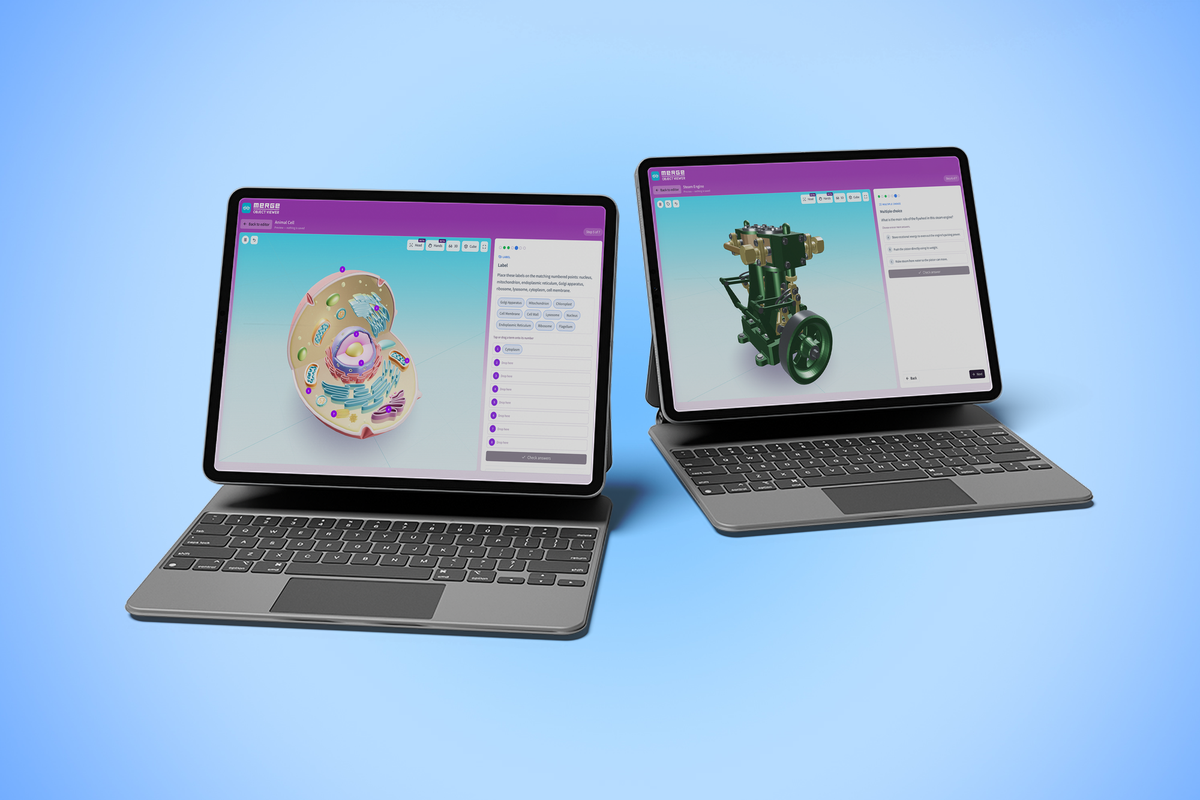
For science educators, that might mean using augmented reality to visualize abstract concepts, supplement an existing lesson, provide differentiated learning experiences, or give students another way to demonstrate what they understand. Merge EDU’s science platform is designed specifically around this use case, providing hands-on AR activities alongside standards-aligned content and grade-band activity plans. That makes 3D learning less about adding another piece of technology and more about adding another instructional tool.
AR exploring in Lab today! 4th grade students had a blast using Merge Cubes! 🕷️🦕 pic.twitter.com/Sv9NG7KTp7
— Reagan Elementary (@MPS_Reagan) November 11, 2025
What Should Schools Look For?
When evaluating a 3D learning platform, start with the classroom rather than the technology. Ask whether the platform works with the devices your school already has. Look at whether the content connects to your curriculum and standards. Consider whether teachers have ready-to-use resources that can help them get started. And perhaps most importantly, look at what students can do with the platform.
 Merge EDU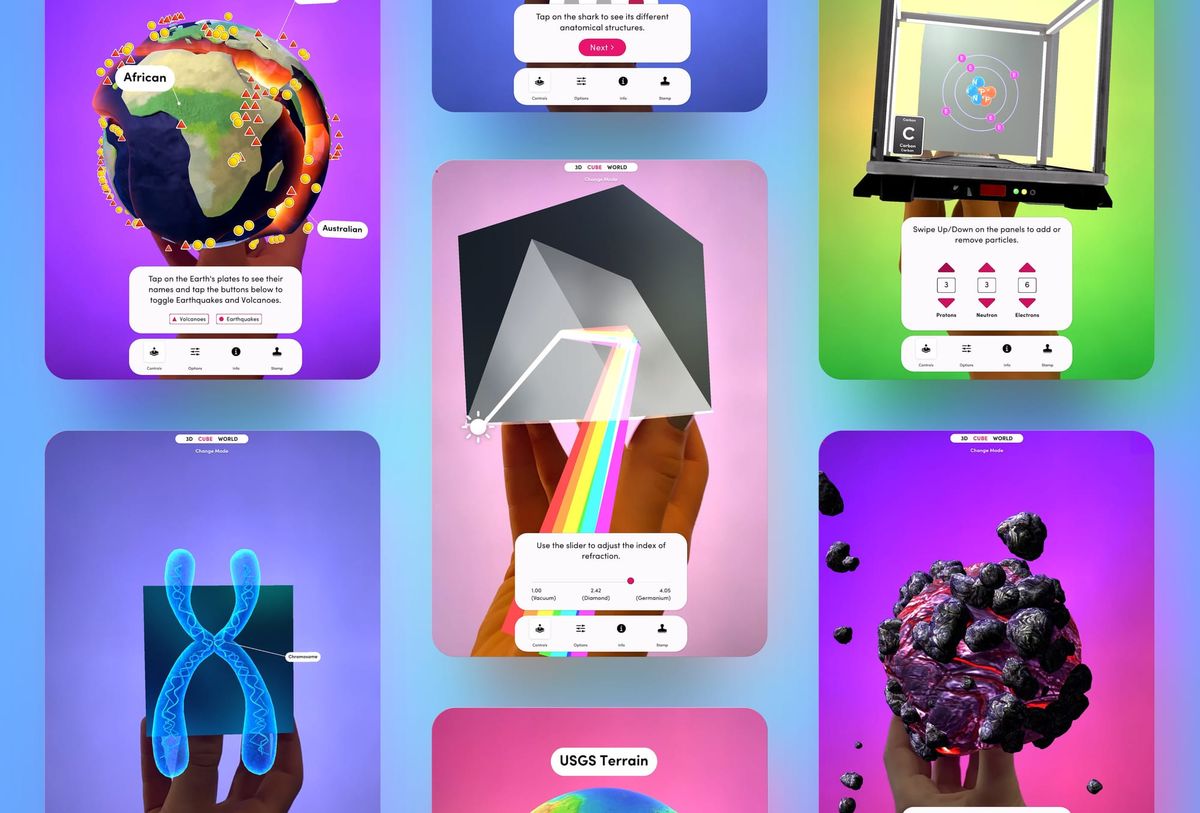
 Merge EDU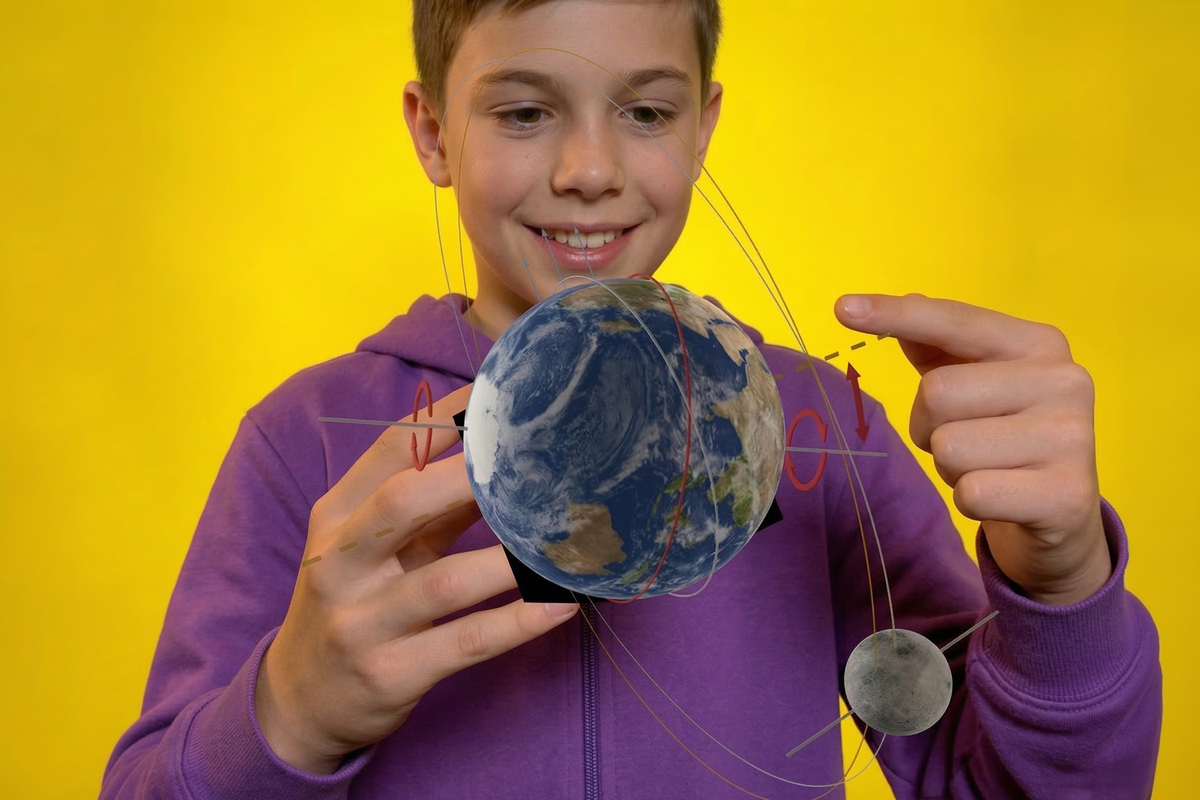
Can they simply look at 3D objects, or can they interact with them? Can they explore simulations and manipulate models? Can they create their own 3D content? Can they share what they’ve created and explain their thinking? Those questions can help distinguish a platform designed for education from a technology demo designed primarily to show off what 3D can do.
Why Merge 3D?
Merge 3D was built around a simple idea: students should be able to interact with what they’re learning. With hands-on augmented reality and other embodied learning interaction modes, digital 3D objects and simulations become things students can touch, hold, manipulate, and explore.
 Merge EDU
The Merge Cube provides the physical connection, while Merge 3D provides the digital learning experiences, teacher resources, creation tools, and STEM activities that bring those experiences into the classroom. Whether students are exploring a science simulation, examining a digital teaching aid, investigating real NASA and NOAA data, or holding their own 3D creation, the goal remains the same: make learning something students can experience—not just something they can see.
That’s what a 3D learning platform should be. Sign up for the educator free trial at TryMerge.com and test it out for yourself.