Spooky Science: A New Halloween Collection for Hands-On STEM Learning
This October, encourage your students to look beyond the costumes, candy, and creepy decorations. There’s a science story behind every object, and sometimes the most unexpected discoveries are hiding right in front of us.
What happens when Halloween meets hands-on science? This October, we’re bringing a little spooky-season magic to the classroom with our new Spooky Science collection! From creepy eyeballs and vampire teeth to candy corn and classic jack-o’-lanterns, this collection transforms familiar Halloween favorites into opportunities for scientific discovery. Beneath the spooky appearances are fascinating concepts in biology, chemistry, and plant science, giving students a new reason to look closer at the world around them.
Candy Corn: A Sweet Lesson in Food Chemistry
Behind the iconic confection is a practical lesson in chemistry. Using the Candy Corn model, students can investigate mixtures, solution temperatures, and sugar crystallization. It serves as an accessible prompt for physical science discussions:
- How temperature changes alter the physical properties of sugar solutions.
- How combining simple ingredients (sugar, corn syrup, and fondant) creates distinct material textures.
- How heating and cooling affect molecular structures during food production.
Inside the Pumpkin: Exploring Plant Anatomy
Beyond seasonal decor, pumpkins are specialized botanical fruits known as pepos. The Halloween Pumpkin Cross Section gives students an internal view of plant structures that are usually hidden:
- Structural tissues: Examine the protective outer rind and fleshy interior wall.
- Reproductive anatomy: Investigate the fibrous cavity and seed placement to connect structure to function.
- Life cycles: Trace how flowering plants protect and disperse seeds to produce the next generation.
The Zombie Eyeball: A Creepy Look at Human Anatomy
A zombie eyeball might seem like something straight out of a horror movie, but it also provides an opportunity to explore one of the body’s most fascinating sensory organs. The Zombie Eyeball model lets students trace how the visual system captures and processes light:
- Light transmission: Follow the path of light through the cornea, pupil, and lens.
- Signal conversion: Examine where the retina focuses light and converts it into neural signals.
- System integration: Connect ocular anatomy to the nervous system and brain function
Vampire Teeth: The Science Behind a Predatory Bite
Vampires may belong to folklore, but the anatomy of teeth is very real. Our Vampire Teeth model brings a spooky twist to dental anatomy, giving students an opportunity to investigate the structure and function of teeth while exploring the biological features that inspired one of Halloween’s most recognizable creatures. The Vampire Teeth model helps students examine the correlation between physical form and biological function:
- Human dental roles: Differentiate between incisors (cutting), canines (tearing), and molars (grinding).
- Comparative anatomy: Contrast human dentition with specialized predator canines and herbivore grind patterns.
- Evolutionary traits: Analyze how tooth structure reveals an animal's diet, feeding behavior, and ecological niche.
The Story Behind the Jack-o’-Lantern: Cultural Geography and Adaptation
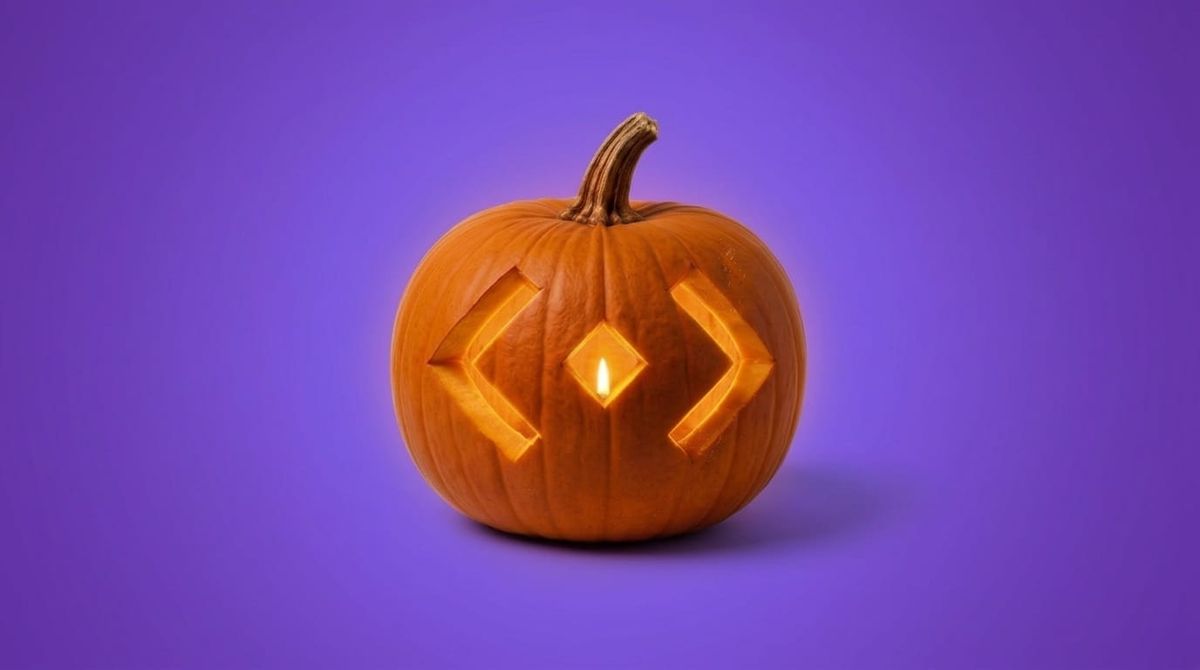
No Halloween collection would be complete without a classic smiling jack-o’-lantern. With its carved face and familiar orange glow, the pumpkin has become one of the season’s most recognizable symbols. But the tradition behind it has a fascinating history that connects folklore, cultural traditions, and the ways people adapt familiar customs over time. The Classic Jack-o-Lantern model offers a launchpad for exploring cultural history and migration:
- Origins of the tradition: Trace jack-o’-lantern folklore to Ireland and the Scottish Highlands, where people originally carved turnips and root vegetables.
- Environmental adaptation: Explore why immigrants to North America adapted the tradition to native pumpkins, utilizing their larger size and hollow geometry.
- Cultural evolution: Discuss how historical practices evolve as communities encounter new resources.
Discover Something Spooky This October
From the chemistry of candy corn to the biology of pumpkins and the anatomy behind a vampire’s bite, Halloween is full of opportunities to explore the science of the world around us. Our new Spooky Science collection brings these ideas together, helping educators turn seasonal excitement into engaging learning experiences.
Ready to bring science to life this Halloween? Explore Merge 3D and discover new ways to make learning interactive, engaging, and hands-on.