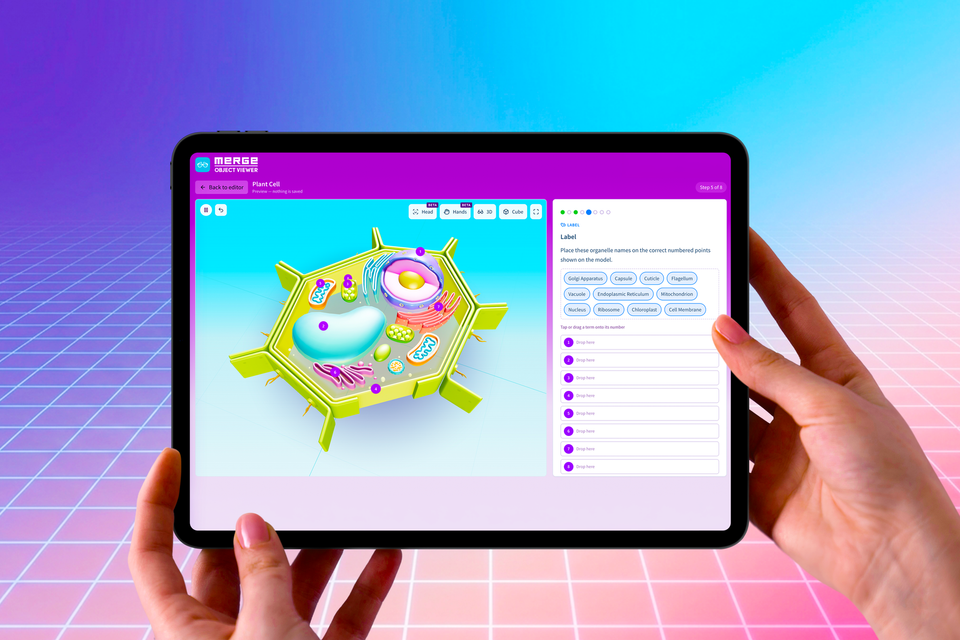
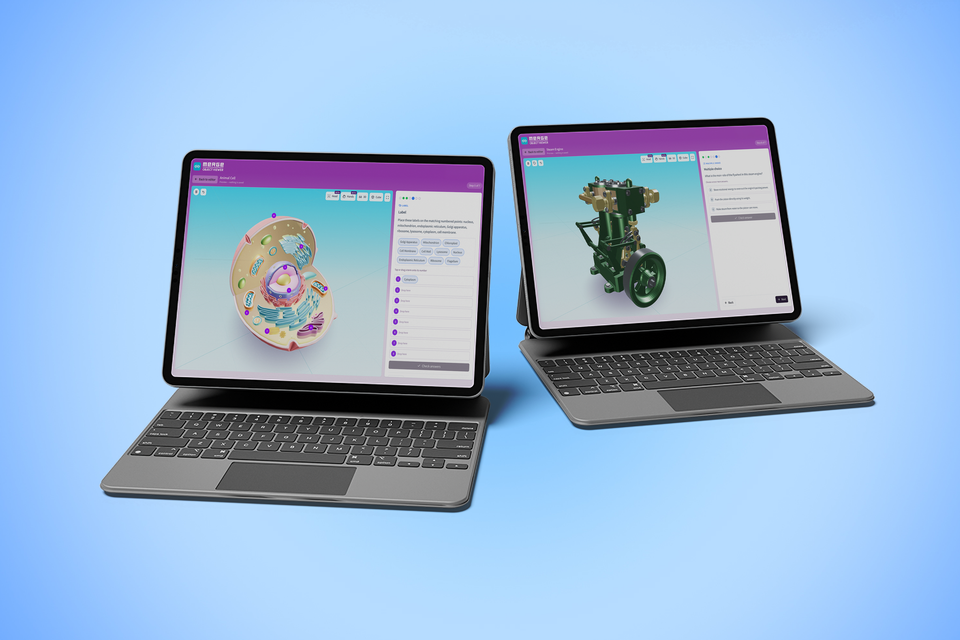
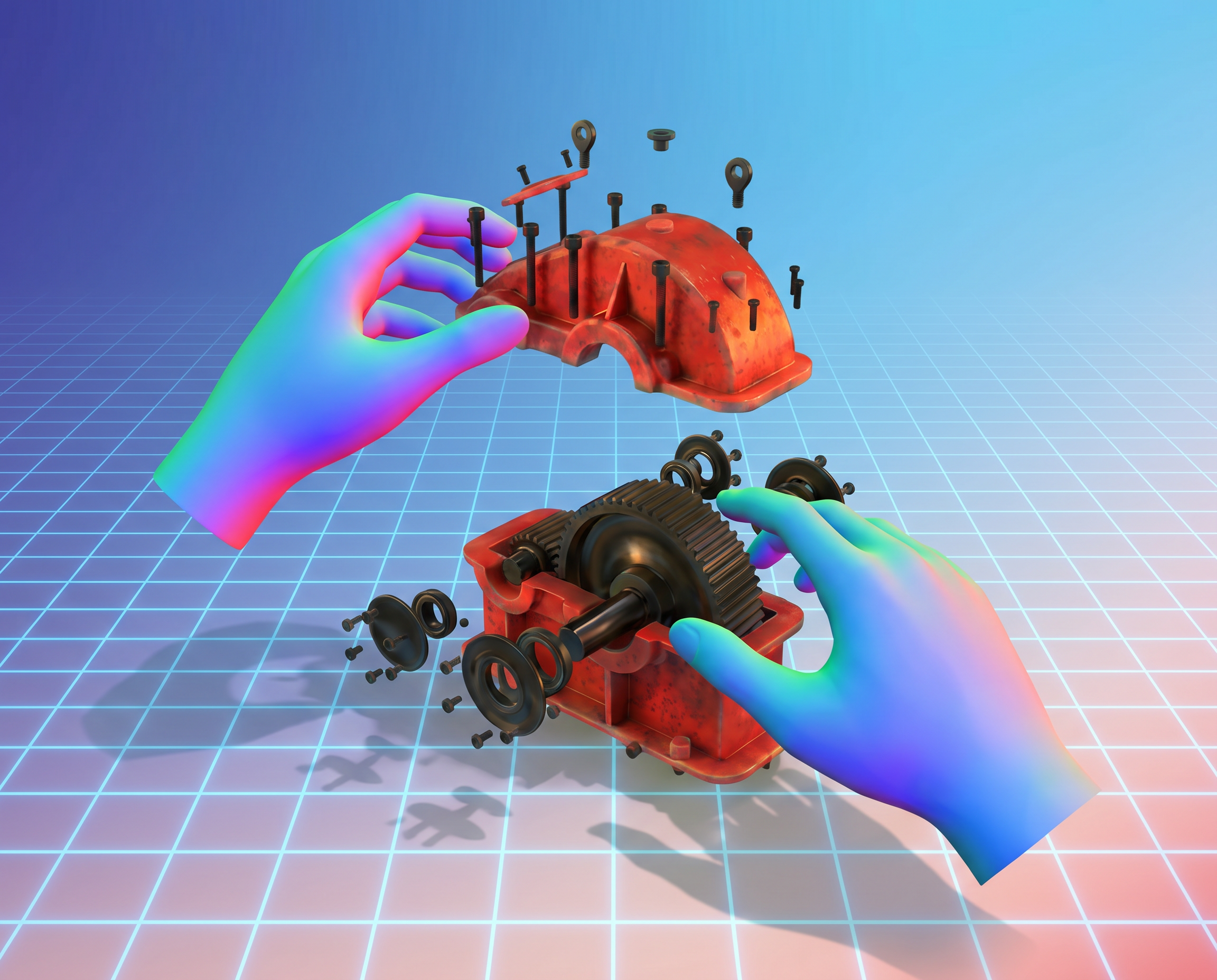
Celebrate Earth Week with New 3D Object Collections from our Partners at PRI
Earth Week provides an opportunity to help students look more closely at the planet we call home. From the minerals that make up Earth’s crust to the fossils that preserve evidence of ancient life, our planet holds stories that stretch across millennia.
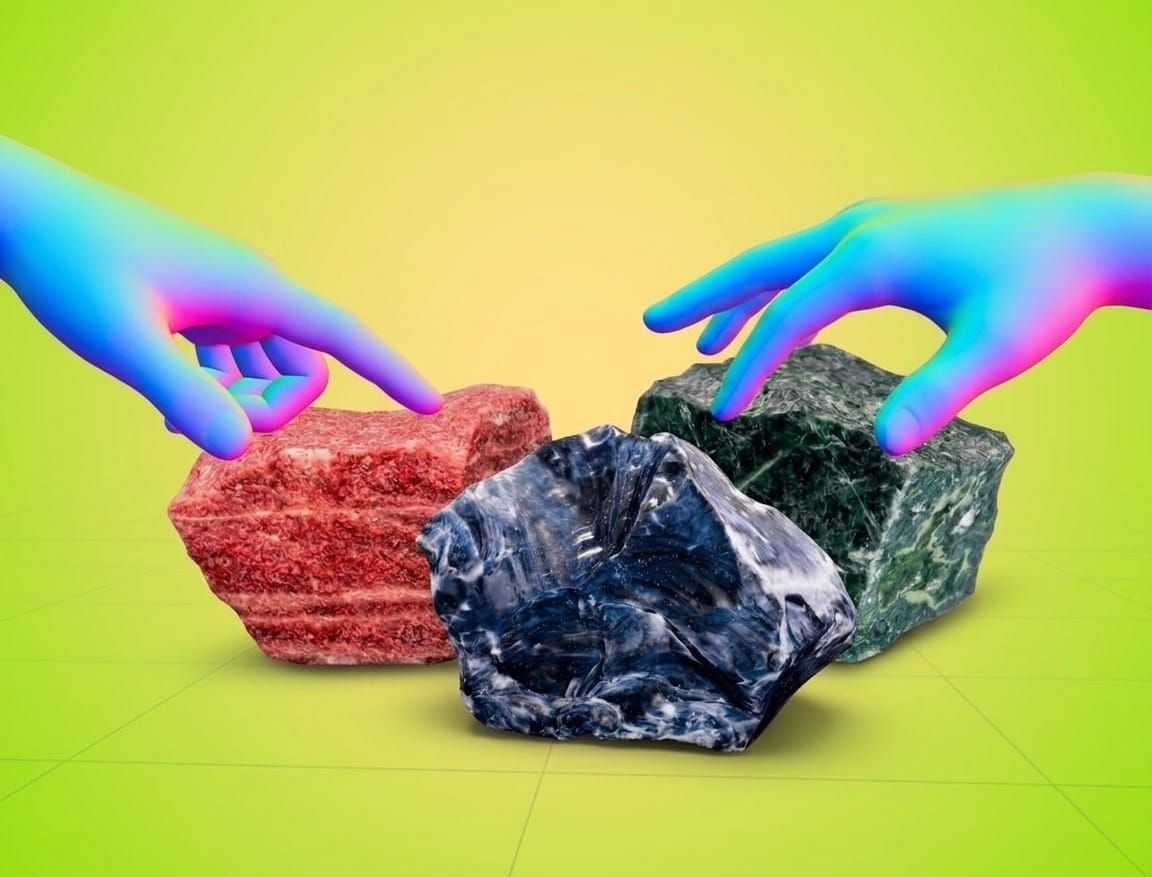
This Earth Week, Merge is highlighting all-new 3D object collections from our partners at the Paleontological Research Institution (PRI), that help students explore Earth’s materials, uncover its prehistoric past, and better understand the processes that continue to shape our world.
These collections connect naturally with several focus days throughout Earth Week, including: Minerals Day on Monday, National Fossil Day on Wednesday, Geoscience for Everyone Day on Thursday, and International Archaeology Day on Saturday.
Merge Partner collections are always free and open to the public. Since not all classrooms have access to real fossils, minerals, and other high quality learning materials, providing access to PRI’s 3D object collections offer a hands-on, interactive, and impactful way for teachers and students to connect with Earth Science.
Learn more about the Merge + PRI partnership in our announcement 👇
 Merge EDU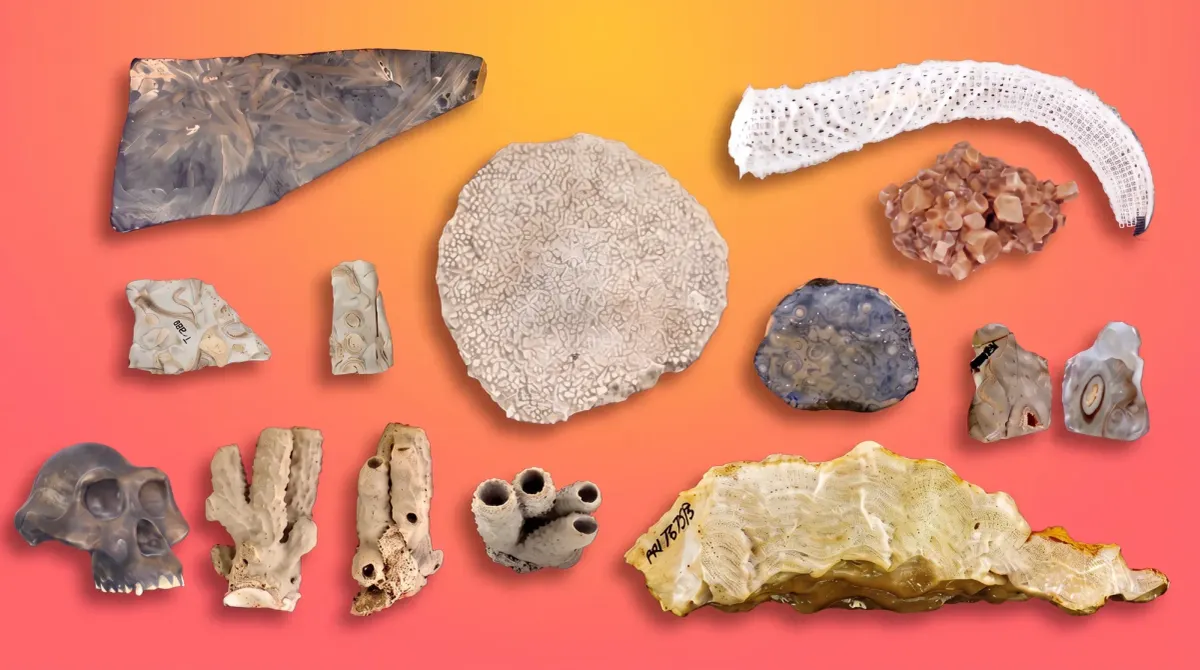
Monday: Discover Earth’s Building Blocks on Minerals Day
Minerals Day celebrates the importance of minerals and encourages greater appreciation for mineralogy and Earth’s natural materials. Minerals are essential to understanding how our planet formed, how its geological systems work, and how the natural resources around us are connected to everyday life.
The Minerals Collection from PRI gives students an opportunity to explore these natural materials through interactive 3D models. Instead of simply reading about minerals or viewing pictures in a textbook, students can examine digital specimens from different perspectives, observe their features, and develop a better understanding of the diversity of minerals found on Earth.
Minerals provide a foundation for exploring broader Earth science concepts. Their physical properties, including color, shape, and crystal structure, can help scientists identify and classify specimens. By investigating minerals, students can begin to understand how Earth’s materials are identified, how they contribute to the formation of rocks, and why mineral resources matter to both natural environments and human society.
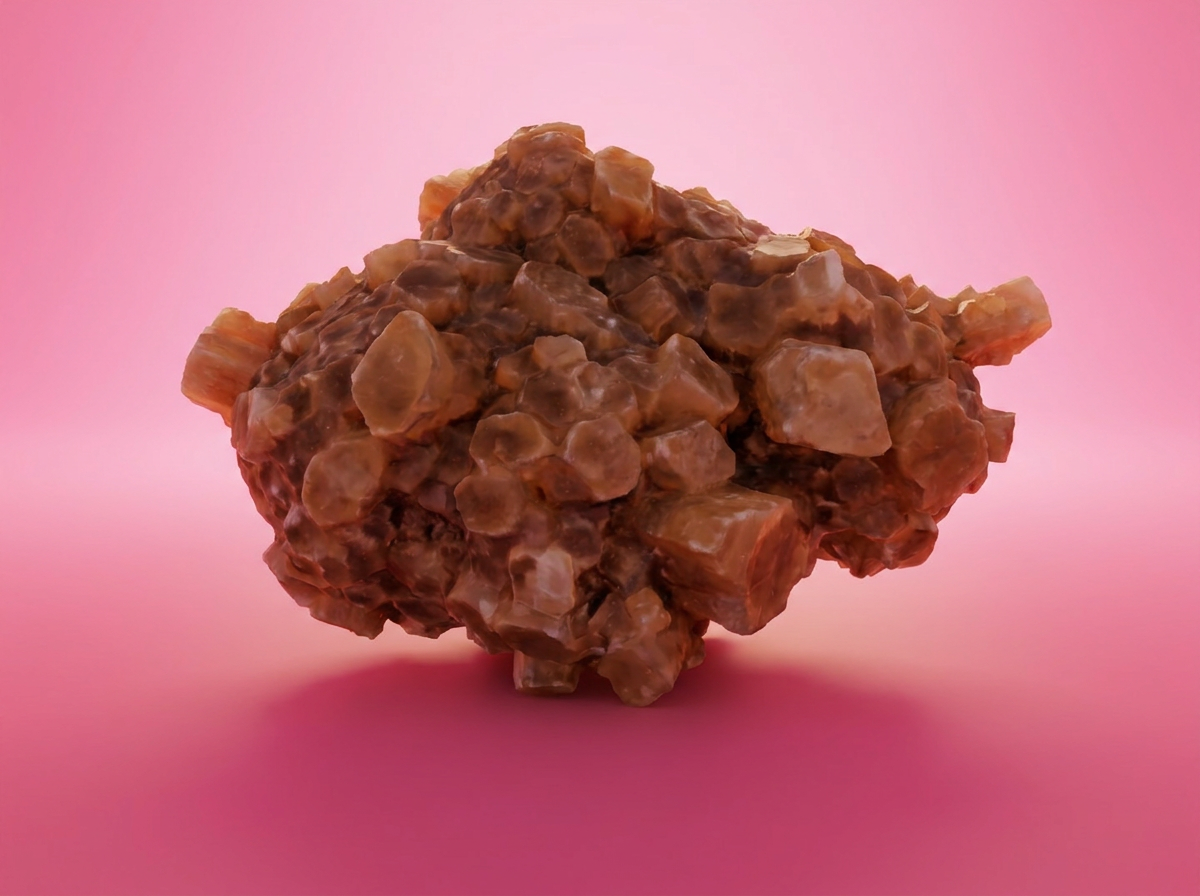
Minerals Collection from The Paleontological Research Institution
Minerals Day is a great opportunity to help students look beyond the surface of the world around them and discover the materials that make up our planet. With Merge 3D + PRI, mineralogy becomes an opportunity for hands-on digital exploration that can spark curiosity and bring Earth’s building blocks into the classroom.
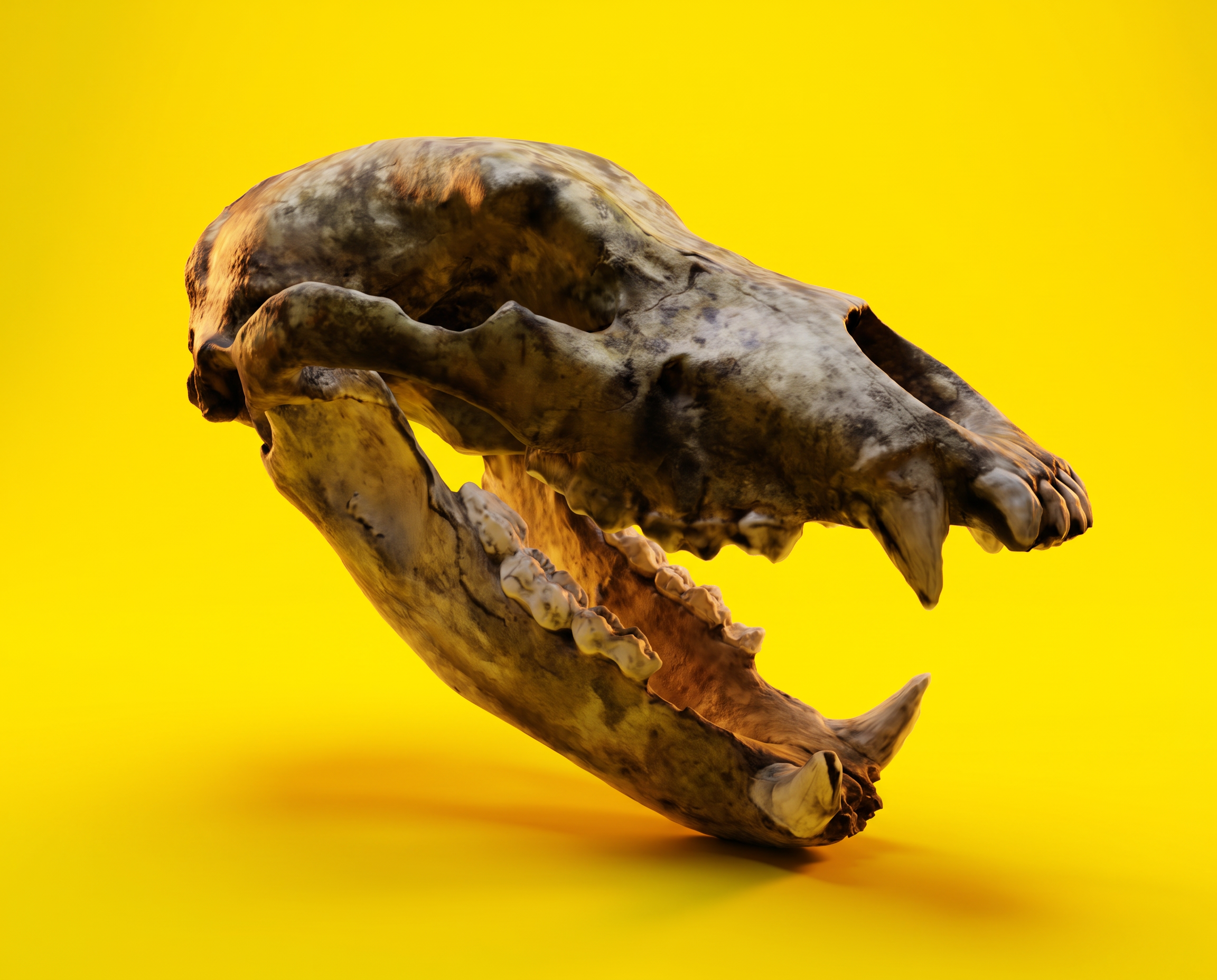
Wednesday: Discover the Past on National Fossil Day
National Fossil Day celebrates the scientific and educational value of fossils and prehistoric life. Fossils give scientists important evidence about organisms that lived long ago, the environments they inhabited, and how life on Earth has changed over time.
PRI’s 3D Object Collections helps learners investigate fossils and ancient organisms across several geological periods, including the Ordovician, Pennsylvanian, Cretaceous, and Neogene. These 3D objects can help students investigate how organisms lived, how environments changed, and how paleontologists use fossil evidence to understand Earth’s history.
The collection also creates opportunities to connect paleontology with broader Earth science concepts. Students can compare ancient organisms, consider what fossils reveal about past ecosystems, and discuss how scientific evidence helps researchers reconstruct worlds that no longer exist. By exploring 3D models alongside educational resources, students can approach prehistoric life as an investigation rather than simply a list of facts to memorize.
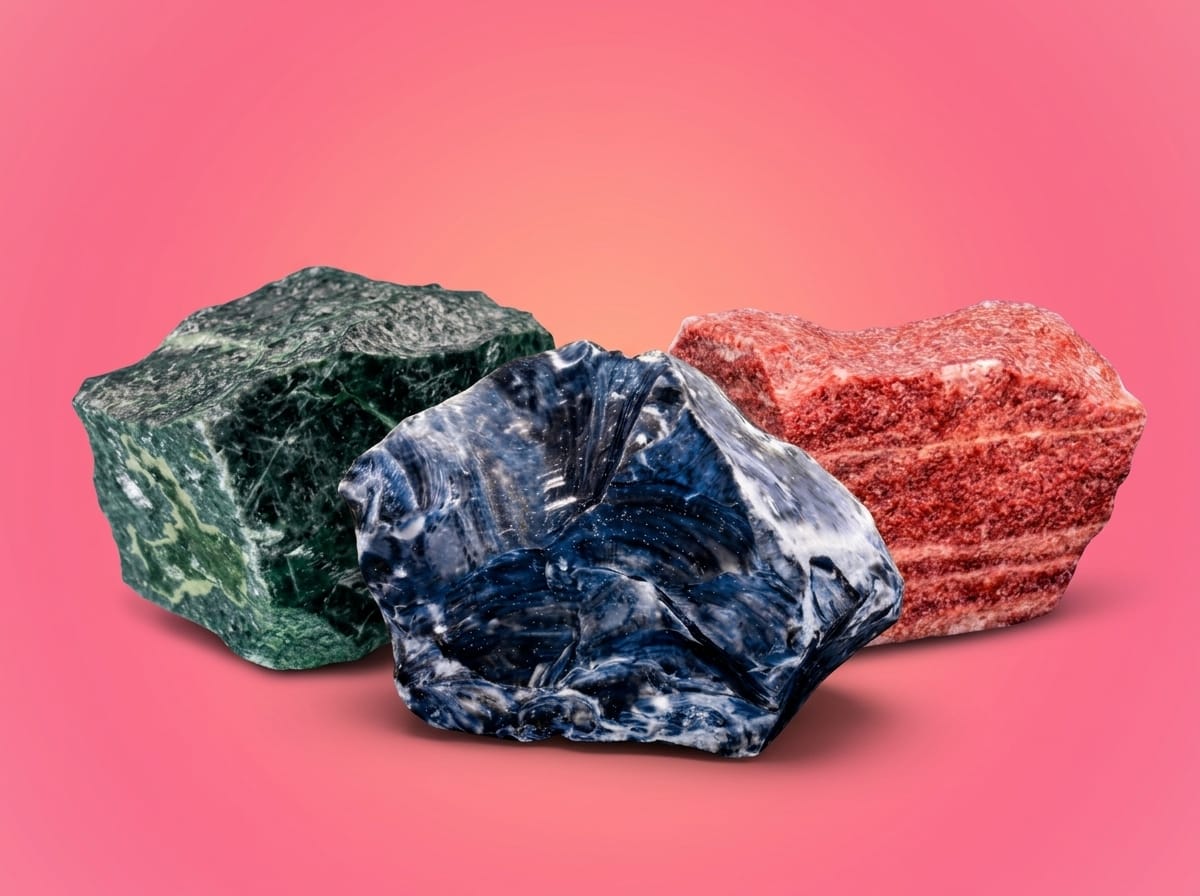
Thursday: Explore Rocks on Geoscience for Everyone Day
Earth’s rocks preserve evidence of the processes that have shaped our planet over time. There are 3 main rock types found on Earth: Igneous, Sedimentary, and Metamorphic. Be sure to check out this amazing resource to introduce your students to the major rock types: Introduction to Rocks by the Paleontological Research Institution.
PRI’s Igneous Rock Collection gives students an opportunity to explore rocks associated with cooling magma and lava, connecting classroom learning to volcanic activity and the movement of material within Earth.
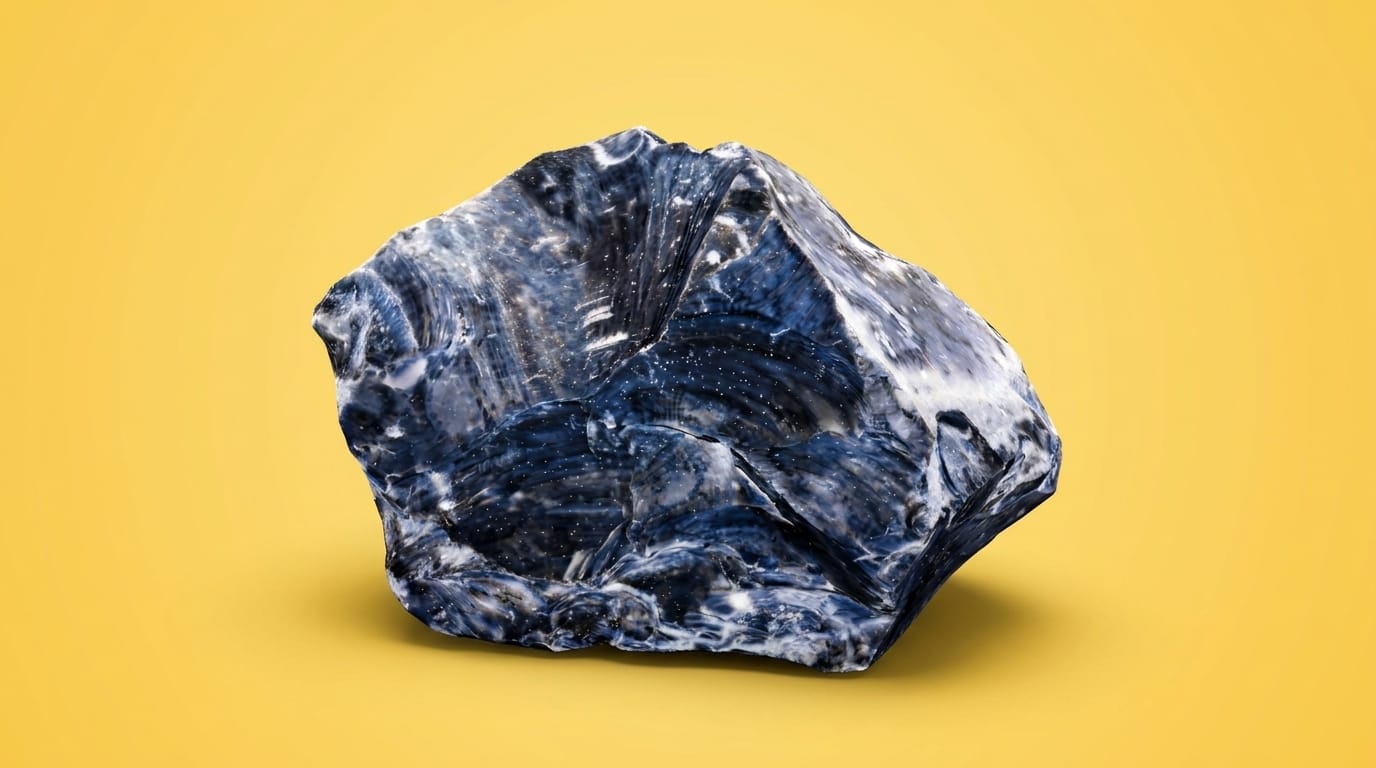
Igneous Rock Collection
PRI’s Sedimentary Rock Collection supports investigations into how sediments accumulate, compact, and form rock layers that can preserve clues about past environments. Students can consider how these layers provide evidence of changing landscapes and how sedimentary rocks sometimes preserve fossils that help scientists understand ancient ecosystems.
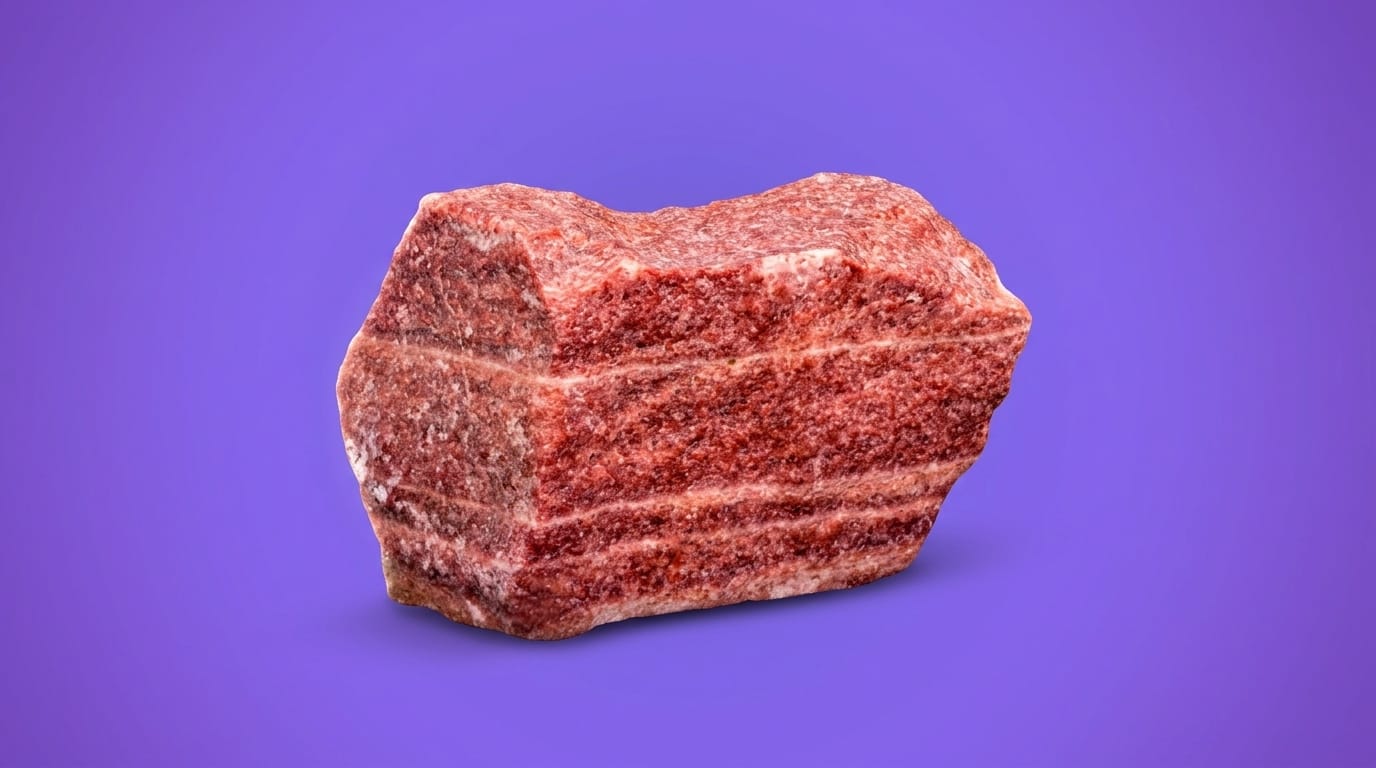
Sedimentary Rock Collection
PRI’s Metamorphic Rocks Collection adds another dimension to the investigation. Metamorphic rocks form when existing rocks undergo changes caused by heat, pressure, or chemically active fluids without completely melting. Examples such as marble and slate help illustrate how the original characteristics of a rock can change under different conditions. These transformations give students a way to investigate the forces acting beneath Earth’s surface and understand how one type of rock can become another over geological time.
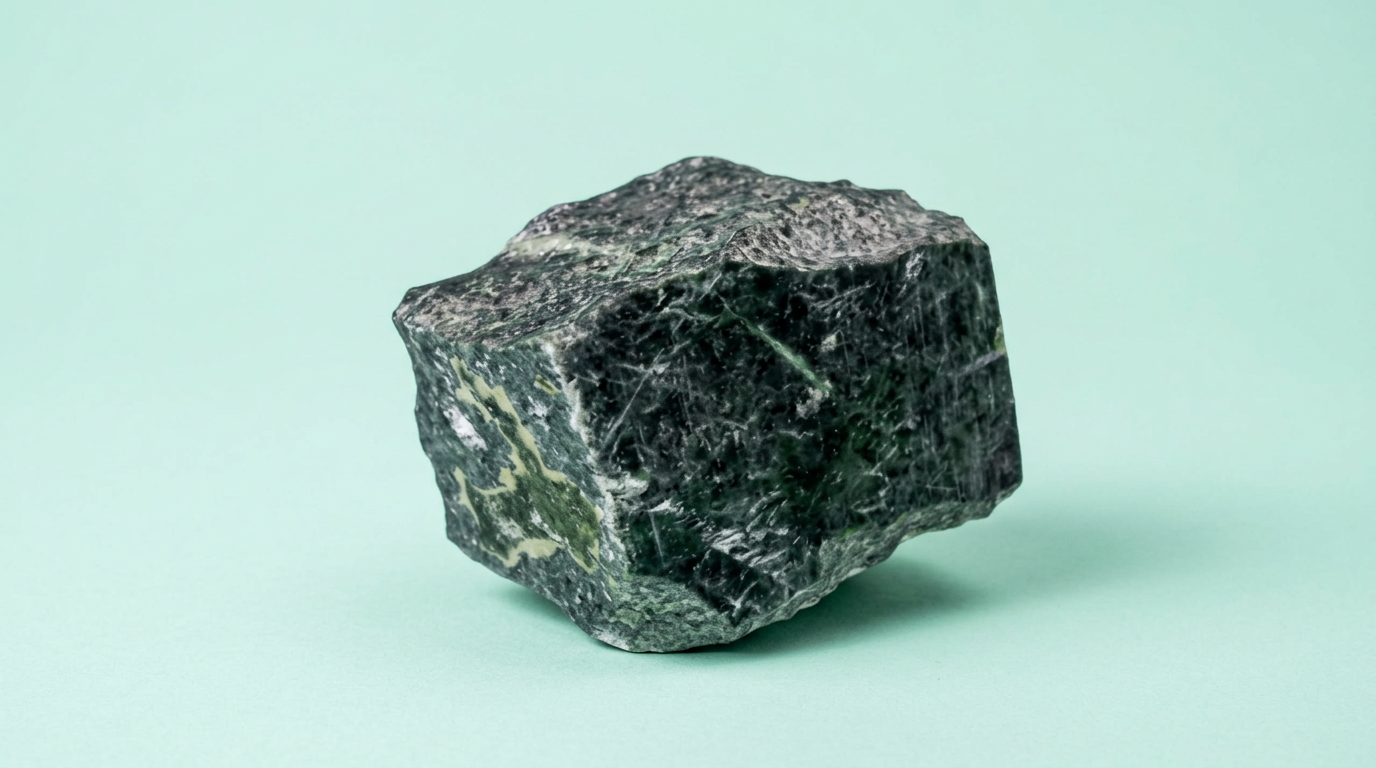
Metamorphic Rock Collection
Together, the three collections support an exploration of the rock cycle, showing students that Earth’s materials are continually being created, broken down, and transformed. Teachers can encourage learners to compare specimens, identify distinguishing features, and explain how geological processes produce different rock types.
These concepts also connect directly to Minerals Day. By examining rocks and discussing the minerals they contain, students can begin to understand how the materials beneath their feet help tell the story of our planet.
Saturday: Connect Earth Science with International Archaeology Day
International Archaeology Day celebrates discovery, historical inquiry, and the study of the past. While archaeology and paleontology focus on different kinds of evidence, both encourage students to investigate objects, ask questions about what they observe, and use evidence to develop explanations.
This makes International Archaeology Day a useful opportunity to broaden the conversation beyond rocks and minerals. Students can consider how scientists and researchers study evidence from the past, how the surrounding environment provides important context, and why careful observation matters when interpreting discoveries.
PRI’s Human Origin Casts Collection can help establish this investigative mindset. Students can examine specimens, compare features, and discuss what an object might reveal about the conditions in which it formed or was preserved. Teachers can then extend the discussion to archaeology by exploring how researchers use artifacts, sites, and environmental evidence to understand past human activity.
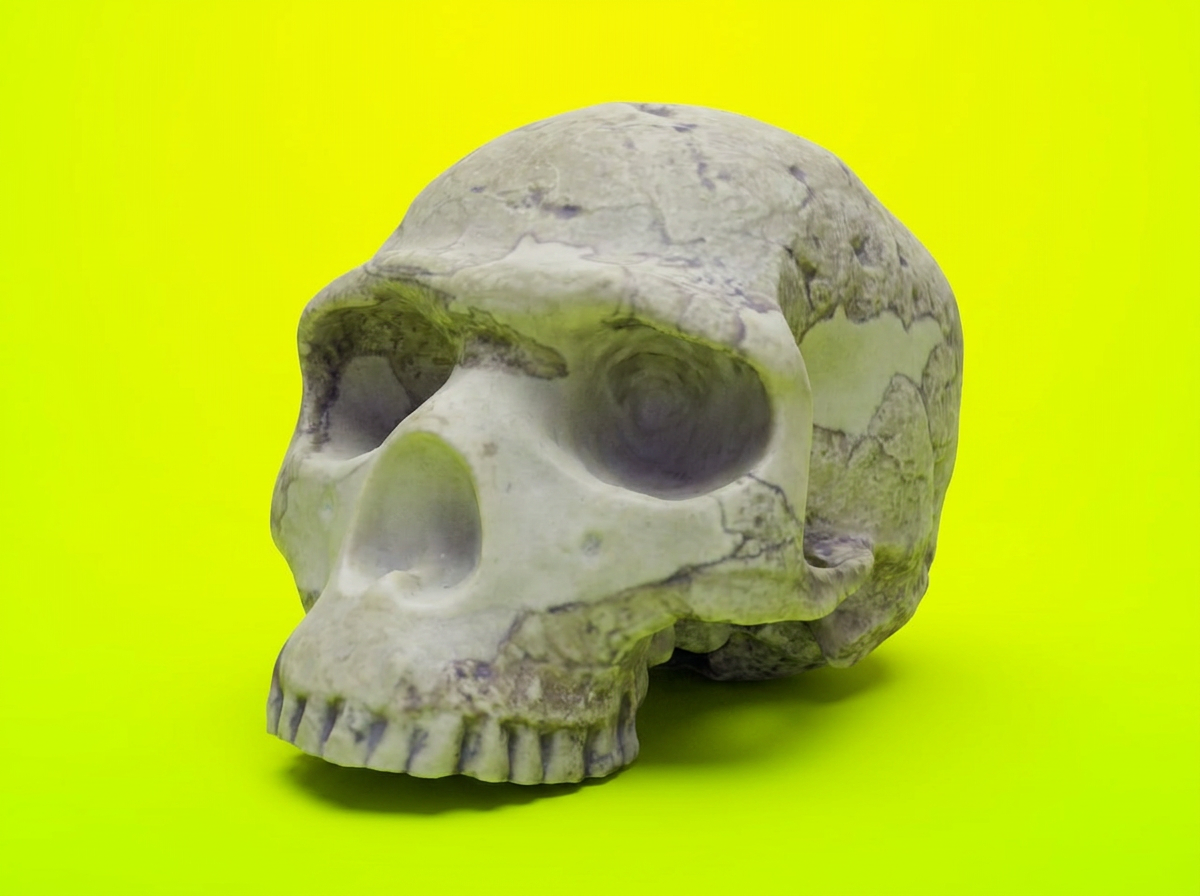
Human Origin Casts Collection
Explore Earth’s Story with Merge + PRI
This Earth Science Week, bring authentic scientific exploration directly to your students. With the Merge 3D platform and the Paleontological Research Institution’s 3D object collections, you can give learners hands-on access to Earth’s materials, history, and natural processes using the devices already in your classroom—no app store downloads required. Transform abstract geological concepts into interactive, memorable experiences and inspire the next generation of scientists.
Be sure to check out PRI’s full partner page here.
 Merge EDU
Learn more about the Merge Open Educational Objects Partner Program
Sign up for a free trial at trymerge.com to discover how Merge can help your students understand complex ideas, engage more deeply, and create their own learning experiences through interactive 3D objects, embodied learning, and AI + AR-powered creation tools.