Virtual Science Lab Software: Bringing Hands-On Science to Every Classroom
Virtual science lab software can help educators provide students with additional ways to explore scientific concepts, particularly when access to physical materials or specialized equipment is limited.
Science education depends on exploration. Students learn by asking questions, observing the world around them, testing ideas, and making connections between what they see and what they understand. But providing meaningful hands-on science experiences can be challenging when classrooms face limited materials, equipment, time, or access to specialized laboratory resources.
Virtual science lab software gives educators another way to support scientific exploration. Through interactive digital models and simulations, students can investigate scientific concepts, examine complex structures, and explore processes that may be difficult to demonstrate in a traditional classroom. Merge 3D brings these experiences into an accessible learning platform, allowing students to interact with 3D science content and explore concepts from new perspectives.
Expanding Access to Science Exploration
Not every science lesson requires a traditional laboratory, but every student should have opportunities to investigate scientific ideas. Virtual science tools can help teachers introduce concepts, reinforce classroom instruction, and provide additional opportunities for students to explore topics that might otherwise be difficult to visualize.
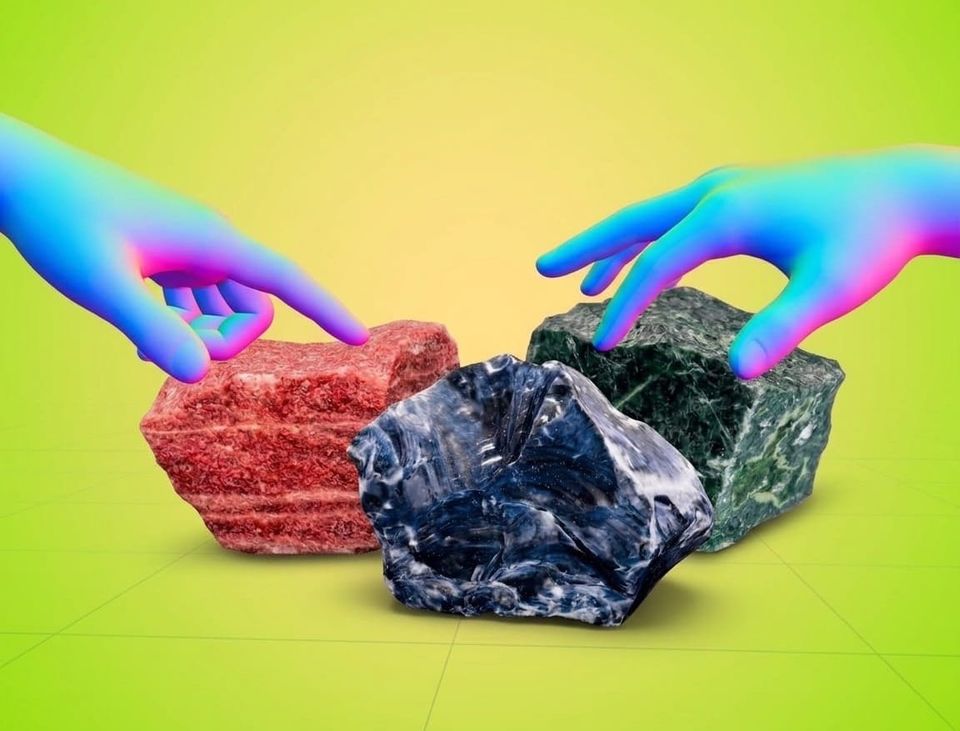
A class studying the human body, for example, can use interactive 3D models to examine organs and structures that are not visible during everyday classroom activities. Students learning about astronomy can explore celestial objects and examine their features. In Earth science, digital models can help students investigate geological structures and better understand the physical processes that shape our planet.
These experiences give students a way to interact with scientific content rather than relying exclusively on static images or written descriptions. By examining models from different angles and exploring their features, students can develop a clearer visual understanding of the concepts being introduced.
Supporting Science Lessons with Interactive 3D Models
Virtual science lab software can support many different stages of a lesson. Teachers might introduce a new topic with an interactive model, use a simulation to reinforce a concept, or invite students to explore a digital object before completing a traditional classroom activity.
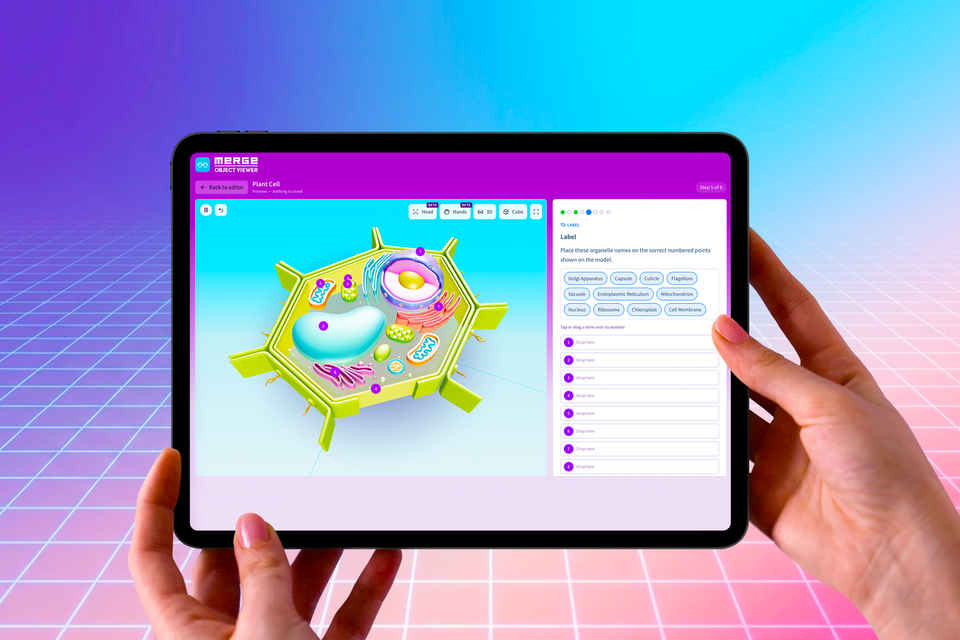
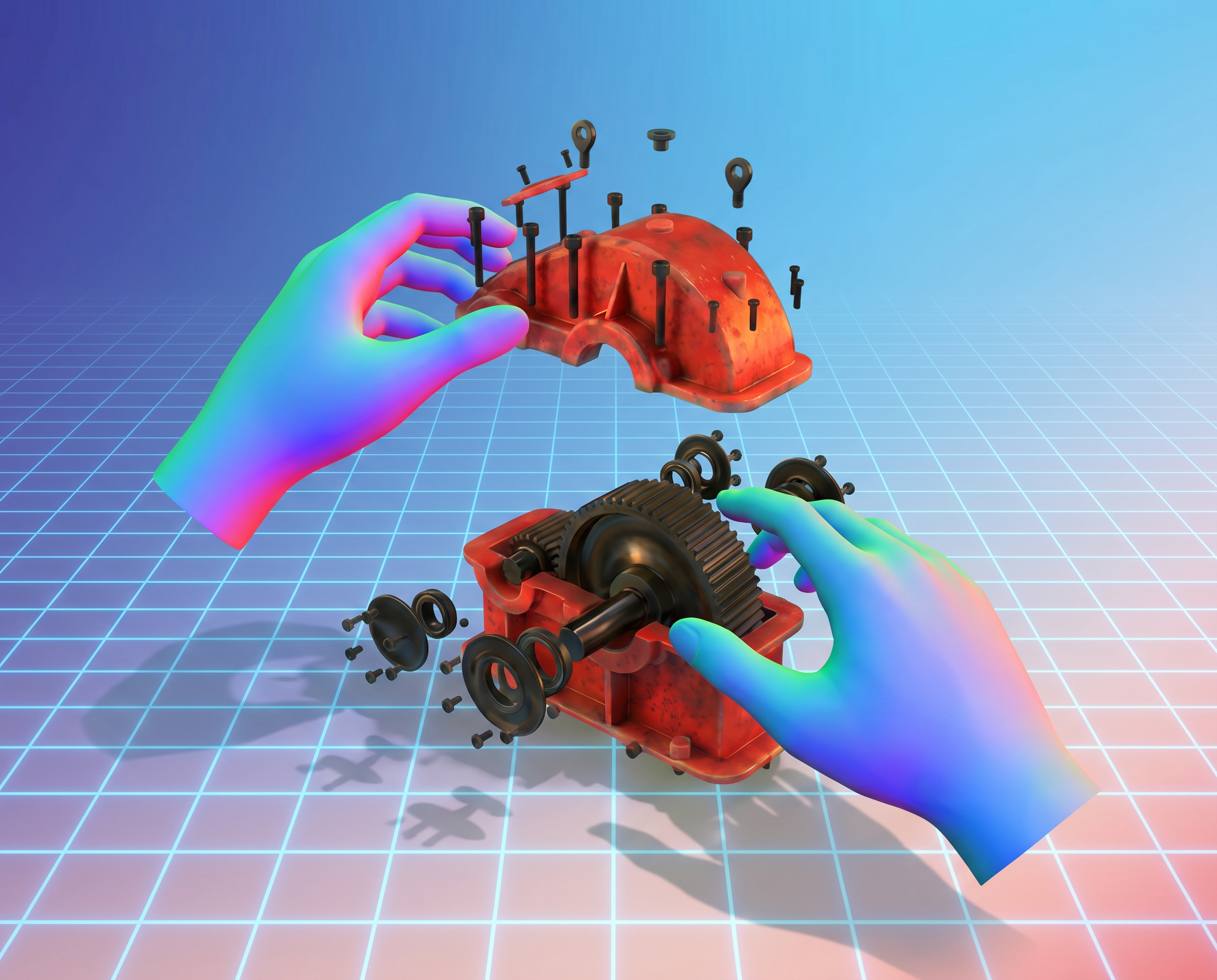
The flexibility of 3D models makes them useful across a wide range of science subjects. In biology, students can explore cells, organs, and other structures. In chemistry, they can investigate molecular models and visualize how different structures relate to one another. In physics, interactive models can help students examine objects, forces, and systems that are challenging to represent with traditional diagrams.
Merge 3D gives students access to interactive science simulations and a broad library of digital teaching aids. These resources can be incorporated into classroom instruction, independent exploration, or collaborative activities, helping teachers create more opportunities for students to engage with scientific concepts.
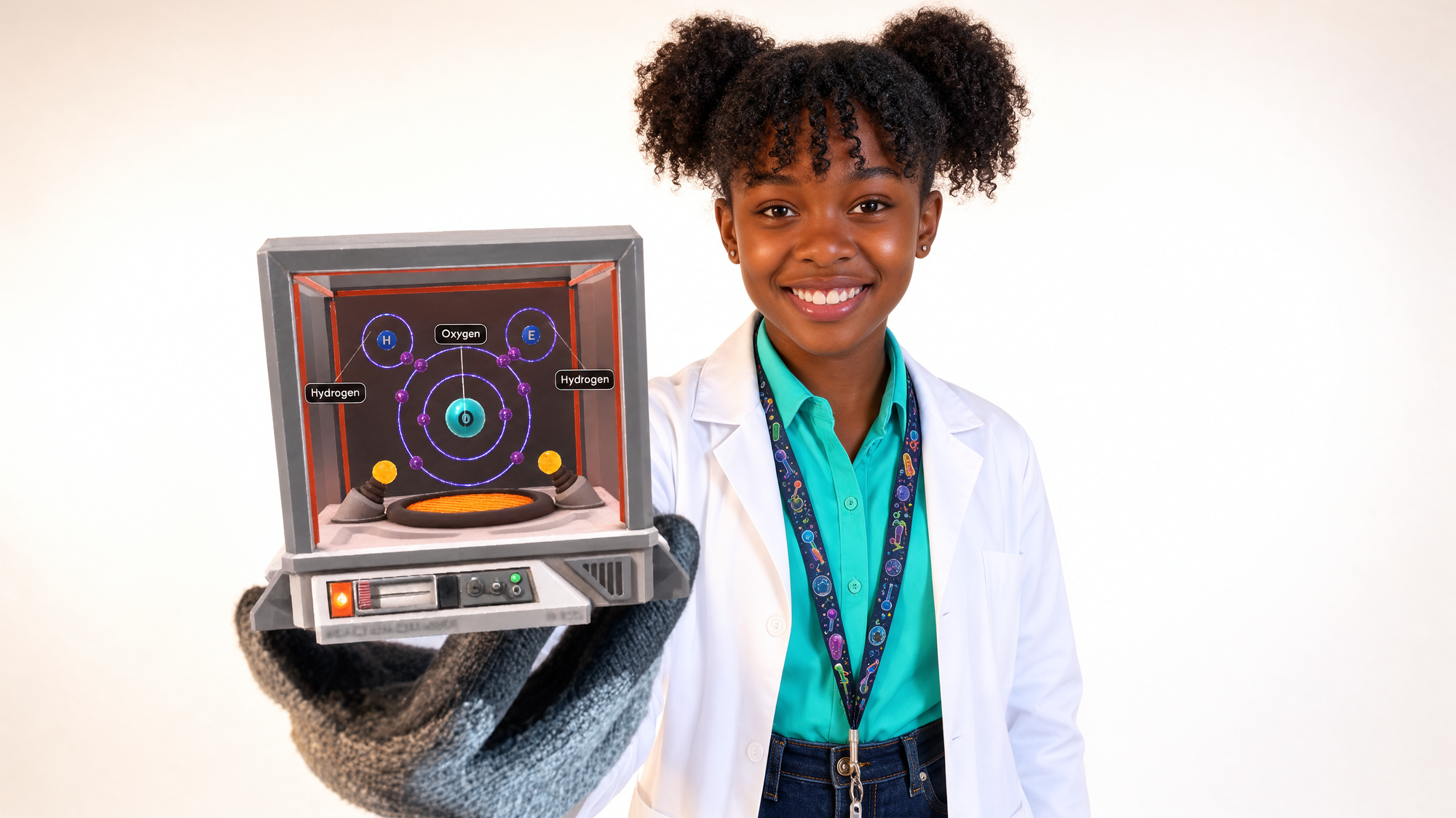
Bringing Virtual Science Into the Physical Classroom
Virtual science experiences are most effective when they complement the rest of a student’s learning environment. Digital models can provide additional context before a lab investigation, help students revisit a concept afterward, or make it easier to explore structures that are too small, too large, or too complex to observe directly.
The Merge Cube adds another dimension to this experience by allowing students to hold and interact with digital 3D objects through augmented reality. Instead of viewing a model only on a screen, students can explore it in the palm of their hand as they investigate.
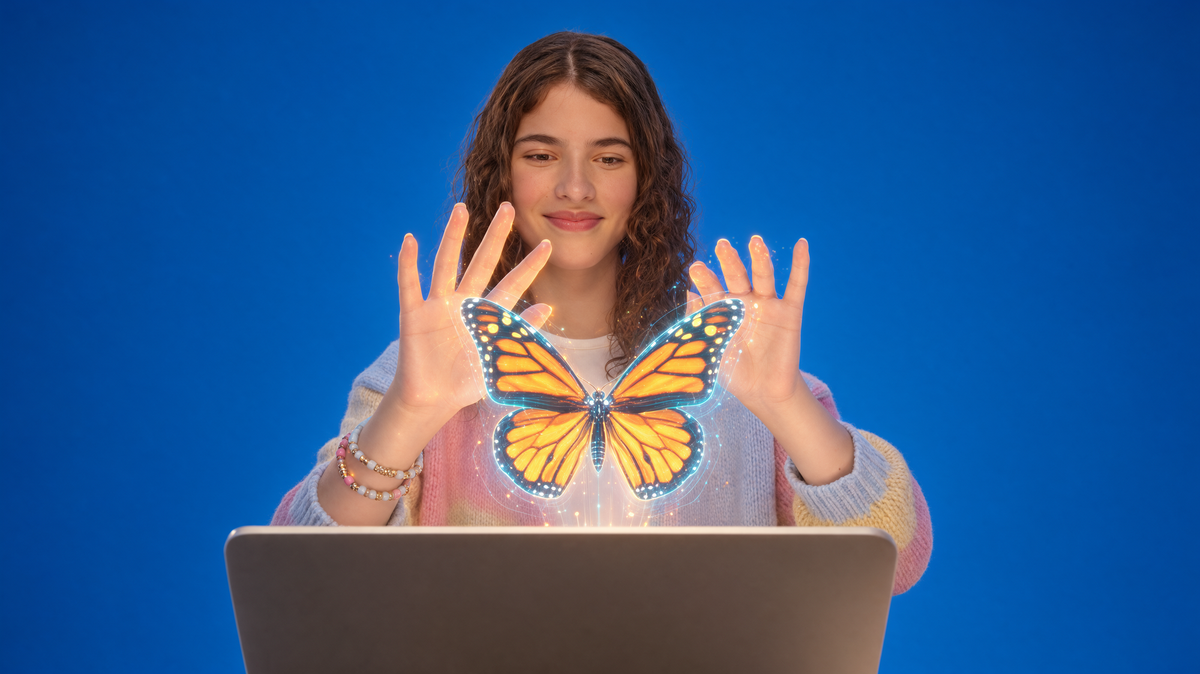
And with the new interaction modes like head tracking, hand tracking and anaglyph 3D modes, students can get the benefits of embodied learning even if not using a Merge Cube.
Making Science More Accessible and Engaging
Virtual science lab software can help educators provide students with additional ways to explore scientific concepts, particularly when access to physical materials or specialized equipment is limited. It can also make complex ideas easier to visualize and provide students with opportunities to revisit concepts at their own pace.
With Merge 3D, teachers can bring interactive 3D objects and science simulations into their lessons, giving students new ways to investigate the world around them. Whether students are exploring the human body, examining geological structures, or learning about the solar system, interactive 3D experiences can help turn abstract scientific ideas into something they can see, explore, and understand.