The Science of "Wow": What New Research Says About Augmented Reality in the Science Classroom
Recent academic research is proving that Merge EDU is much more than just a fun, engaging activity—it is a scientifically backed platform that fundamentally changes how students process information.

If you teach middle school science, you know the struggle intimately. You are trying to explain the intricacies of a plant cell, the layers of the Earth, or the phases of the moon, and you look out to see a sea of glazed-over eyes.Trying to teach complex, abstract systems using 2D textbook diagrams is an uphill battle. You want that “aha!” moment where the concept finally clicks and the students are working together, but you are working with a limited budget and simply don't have the time to learn a complicated new tool.
What if you could place those abstract systems directly into your students' hands? Here is what the latest studies say about why bringing your lessons into 3D transforms learning:
1. Less Cognitive Overload, More Meaningful Learning
Have you ever noticed your students spending more energy trying to decode a complicated diagram than actually understanding the science behind it? A recent study analyzed how students interact with the Merge Cube and found that physically manipulating a 3D digital object significantly reduces "extraneous cognitive load" (the mental effort wasted on confusing materials).
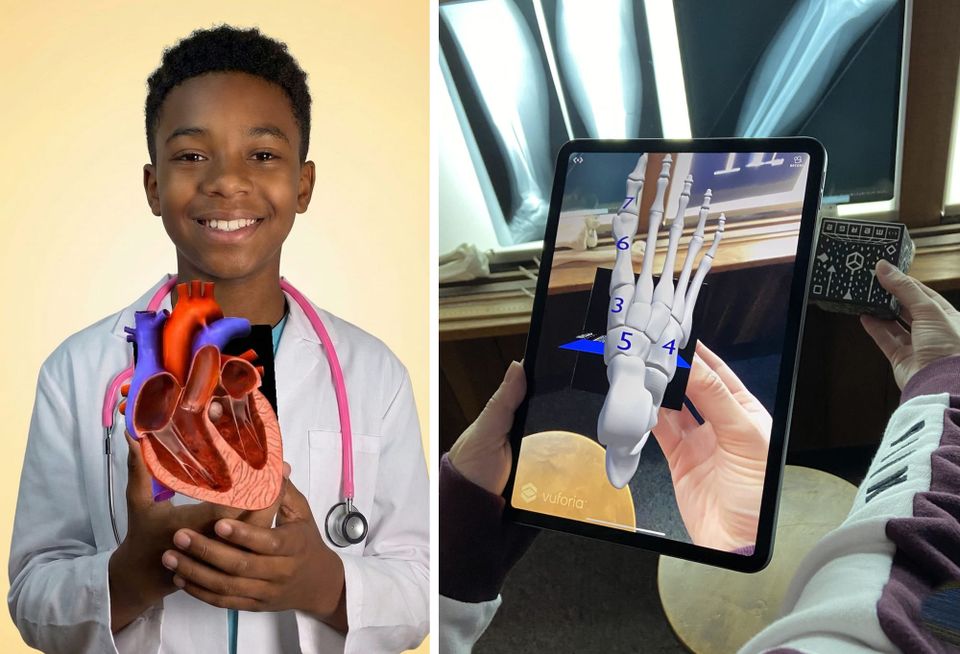
When students can rotate a digital model of the human heart or inspect a tectonic plate in the palms of their hands, they stop struggling to mentally translate flat 2D images into 3D concepts in their heads. They simply turn the object. This frees up their mental energy to focus on deep comprehension and discovery.
 Merge EDU
2. The Power of "Embodied Learning"
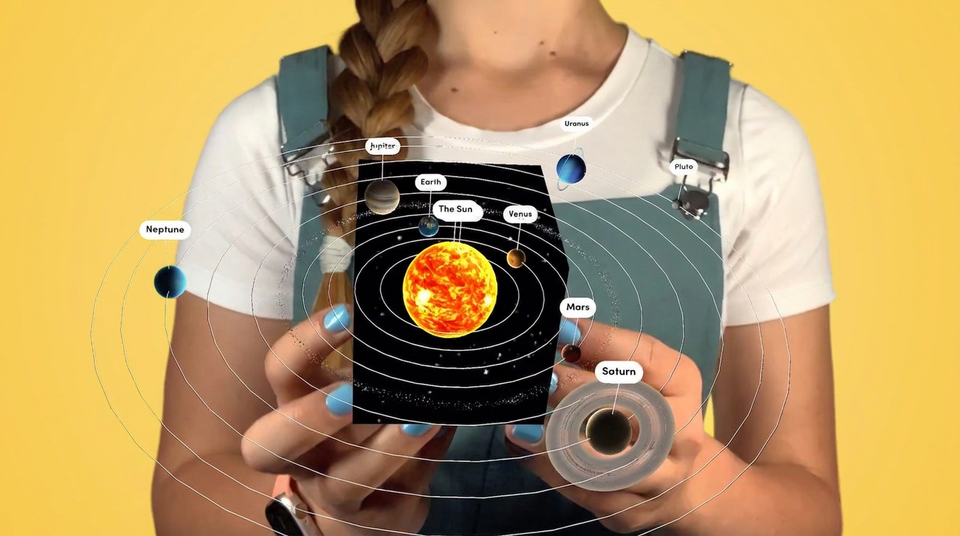
A groundbreaking study of 5th-grade students in England demonstrated that when kids physically move and interact with virtual objects—a process called embodied learning—their understanding skyrockets. Instead of passively watching a video about the solar system, students were able to physically move around and manipulate virtual planets with their hands. This shift from passive observation to active, dynamic exploration led to a profound, intuitive grasp of scientific principles.
 Merge EDU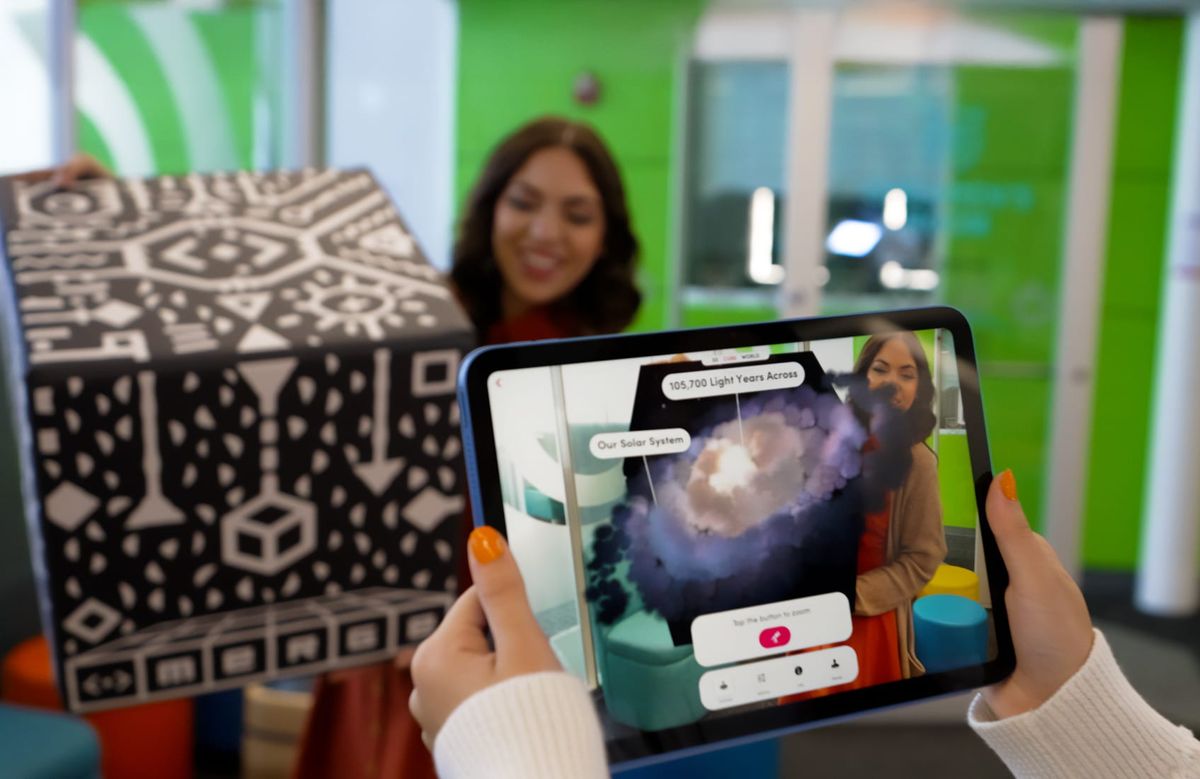
3. Boosting 21st-Century Skills and Critical Thinking
AR technology in the classroom isn't just about the "cool factor." Research shows it actively fosters collaboration and critical thinking. In the studies, students using the Merge Cube naturally began correcting each other's misconceptions, building collective knowledge, and engaging in peer teaching. The shared virtual reference points created vibrant discussions, proving that the technology builds essential 21st-century skills.
 Merge EDU
Merge EDU is the easiest way to bring abstract STEM concepts to life and get your students excited about learning. We are the only platform that lets students physically hold and interact with digital 3D models for a true hands-on, multi-sensory learning experience.
Worried about setup or budget? Don't be.
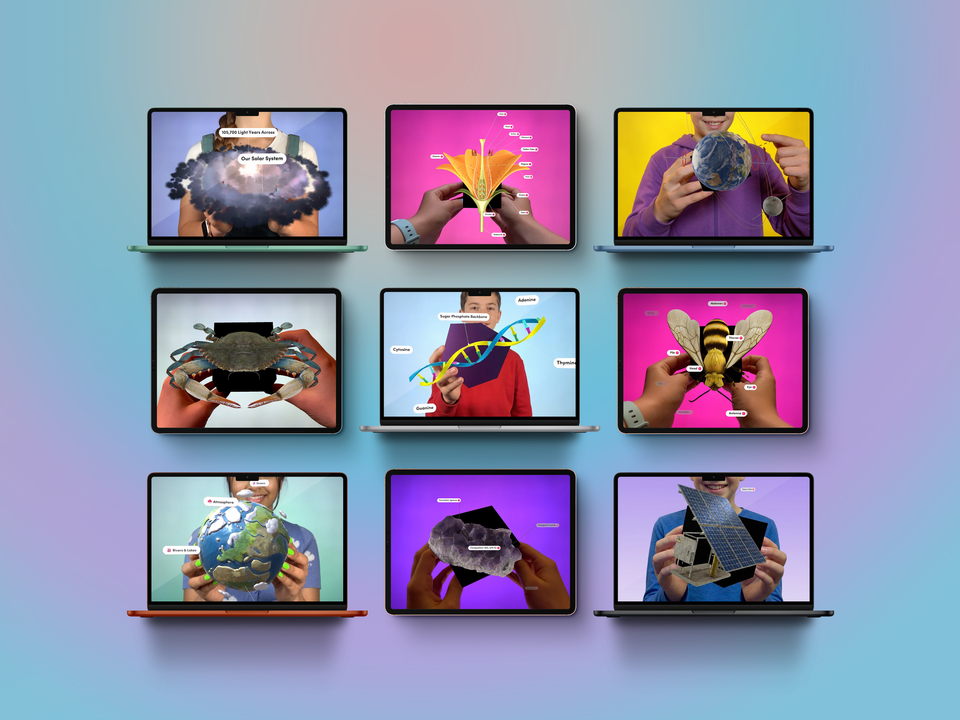
- Massive Library: Stop wasting time searching for resources. You get a massive library of standards-aligned content for every subject, all in one place.
- Friction-Free Access: No expensive, specialized hardware needed. It works with the smartphones, tablets, or Chromebooks your school already has, making it accessible and affordable.
- Teacher-Friendly: Get started in minutes, not days. You can find, assign, and assess activities with almost zero training time via our intuitive dashboard.
Don't let your science lessons stay trapped on a flat page.