Less Cognitive Overload, More Meaningful Learning: New Research Shows the Power of Merge Cube in the Classroom
This latest research suggests that Merge Cube experiences may do more than simply increase excitement or capture attention. They may actually help reduce unnecessary cognitive barriers that make learning harder.

Teachers have always faced a balancing act. Present students with too little information and learning can feel disconnected or unchallenging. Present too much at once and students can become overwhelmed, spending more mental energy trying to decode the lesson than actually learning from it.
That challenge becomes even more visible when teaching complex concepts. Whether students are visualizing molecular structures, understanding weather systems, exploring anatomy, interpreting engineering drawings, or investigating how the Earth changes over time, educators are constantly searching for ways to make difficult ideas easier to understand without adding more confusion.
A new 2025 study published in Education Sciences offers compelling evidence that immersive learning tools may help solve that problem.
Researchers investigated how Merge Cube experiences affected students’ cognitive load and motivation in real classroom environments. Their findings suggest something educators often observe firsthand: when students can physically interact with digital content in meaningful ways, learning can feel more natural and less mentally exhausting.
Understanding Cognitive Load in the Classroom
Before diving into the findings, it helps to understand an important learning science concept called cognitive load.
Every student has a limited amount of mental processing power available at any moment. Cognitive Load Theory suggests that learning becomes more effective when instructional materials reduce unnecessary mental effort and allow students to focus on understanding the actual content.
Researchers generally divide cognitive load into three categories:
Intrinsic Cognitive Load – the difficulty that naturally comes from the content itself.
Extraneous Cognitive Load – mental effort caused by the way information is presented.
Germane Cognitive Load – productive mental effort that helps students build understanding and create new knowledge structures.
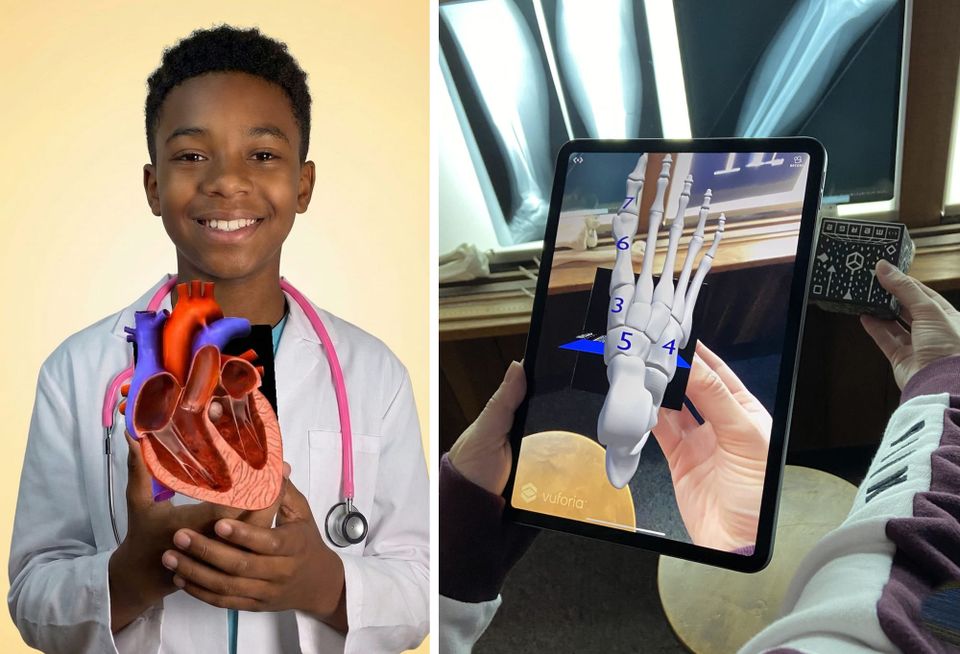
Think about a student studying the structure of a human heart using a flat textbook image. They may have to mentally rotate diagrams, imagine depth, interpret labels, and connect multiple pieces of information simultaneously.Now imagine that same student holding a rotating 3D heart in their hands, turning it, zooming in, and examining structures from any angle.The content itself did not become easier—but the process of understanding it became more intuitive.
That distinction matters.
 Merge EDU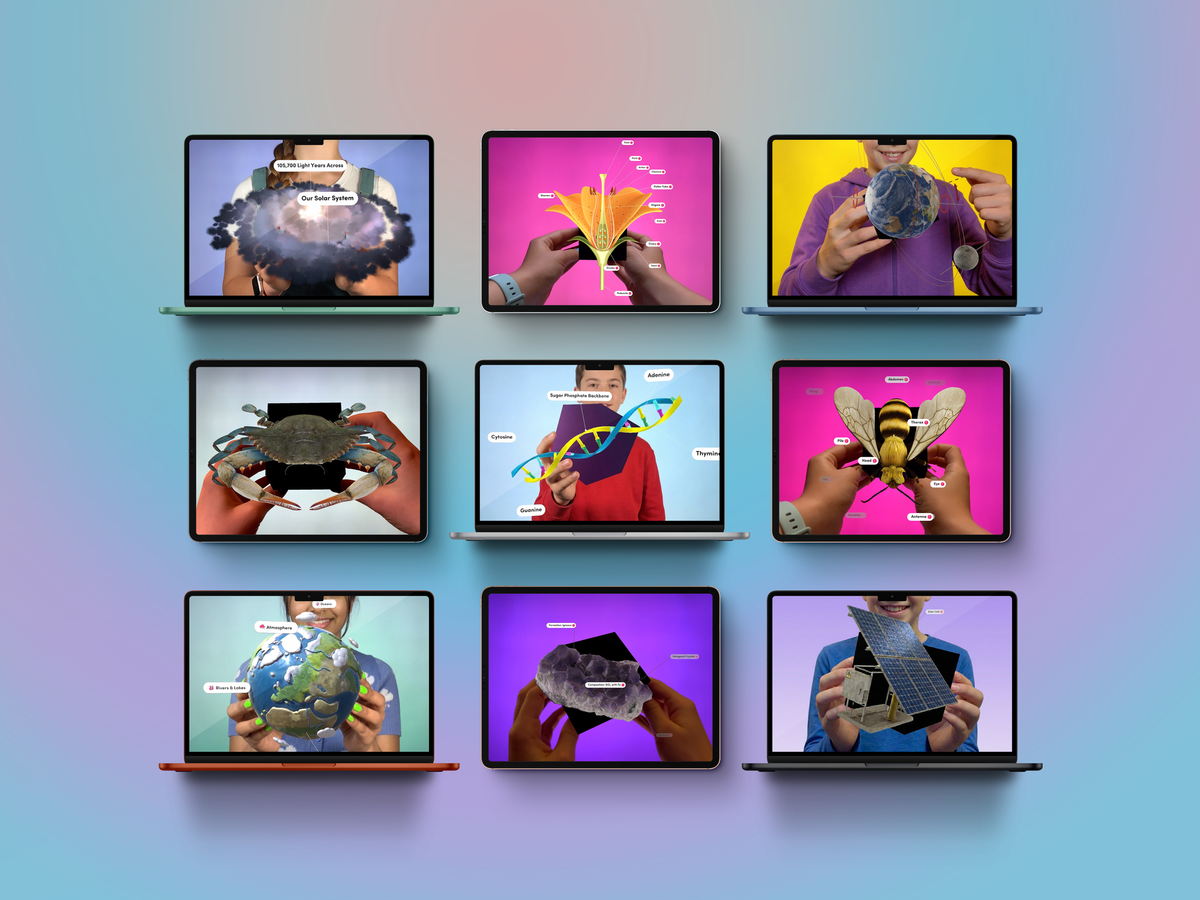
What Researchers Discovered
The study followed 37 vocational students in Germany over a multi-day classroom intervention. Students in one group used traditional materials such as worksheets and printed resources. Students in the experimental group used those same materials supplemented with Merge Cube AR experiences.
Researchers measured cognitive load and motivation before and after the learning activities.
The most significant finding involved Extraneous Cognitive Load—the unnecessary mental effort that can interfere with learning.
Students using Merge Cube experiences showed:
- A significant decrease in extraneous cognitive load
- A slight increase in learning-supportive cognitive processing
- Increased intrinsic motivation trends
Meanwhile, students using only traditional materials experienced an increase in extraneous cognitive load over the course of instruction.
In simple terms:
Students using Merge Cube spent less mental energy trying to understand how information was being presented and could devote more attention toward the learning itself.
For educators, this finding is important because classroom time is limited. Reducing unnecessary mental strain can create more space for curiosity, exploration, and deeper understanding.
Why Holding Learning Matters
One of the most interesting aspects of Merge Cube is that it combines several learning pathways simultaneously.
Students are not just looking at content.
They are physically manipulating it.
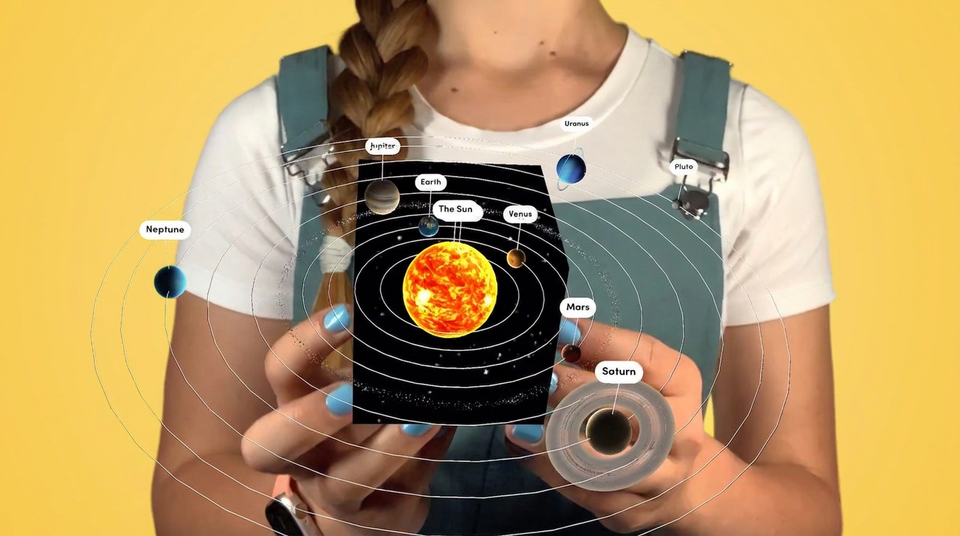
They rotate objects. Change perspectives. Interact directly with information.
Researchers noted that this kind of multi-sensory interaction may contribute to lower cognitive load because students are no longer forced to mentally reconstruct complex structures from static images.
Instead of imagining what an object might look like from another angle, they simply turn it.
Instead of interpreting multiple disconnected diagrams, they interact with a single three-dimensional model.
For many learners, that shift can feel less like decoding information and more like discovering it.
 Merge EDU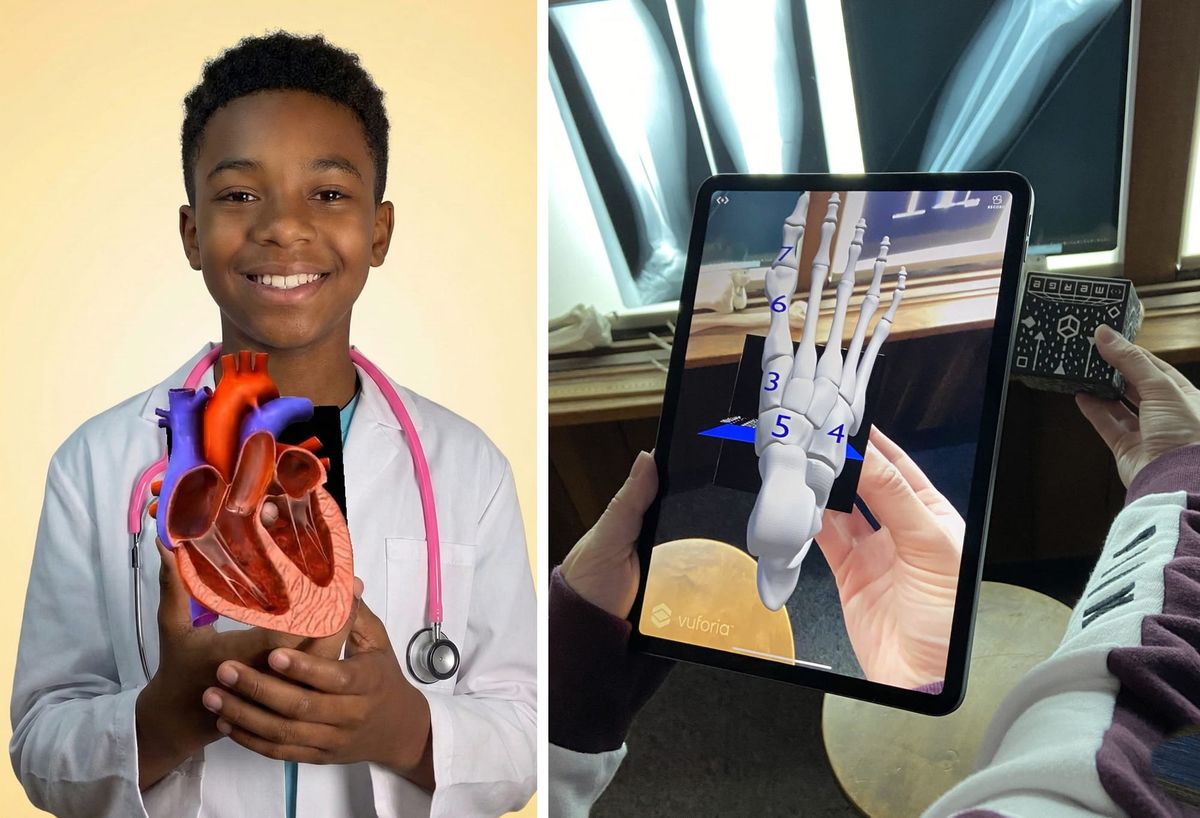
Beyond Construction Technology
While the study took place in vocational construction classes, the implications extend far beyond technical education.
Imagine students:
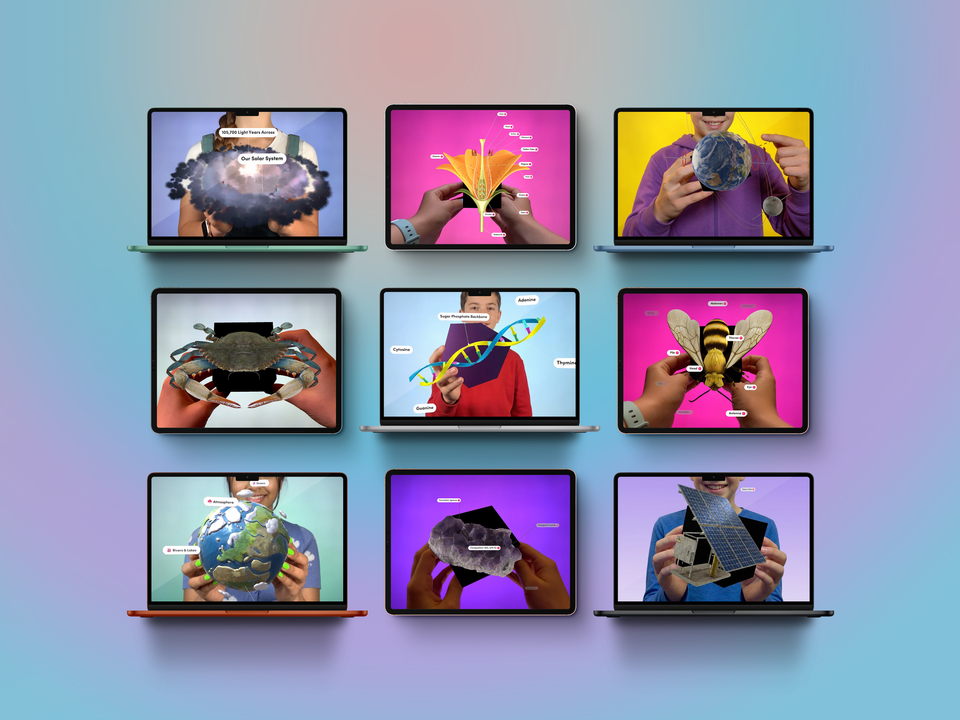
- Exploring Earth systems using Merge Explorer and HoloGlobe
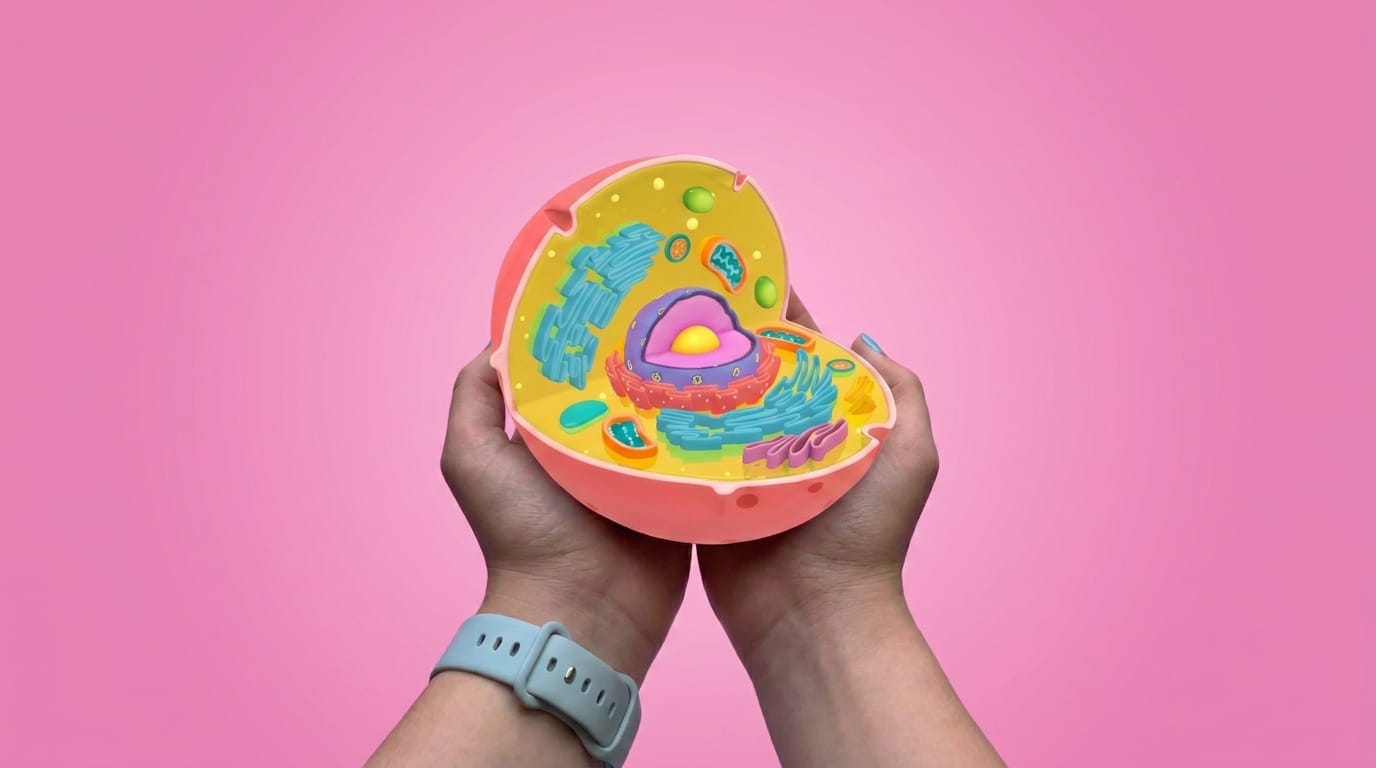
- Holding a living cell in their hands
- Investigating animal anatomy from every perspective
- Examining weather systems in real time
- Understanding geometric solids through direct manipulation
- Exploring historical artifacts and ancient structures
The learning principle remains the same:
Complex ideas become easier to understand when students can physically interact with them.
This is especially valuable in classrooms where students bring different learning preferences and varying levels of background knowledge.
Technology Alone Is Not the Goal
One particularly valuable takeaway from the research is that technology itself was not identified as the magic ingredient.
The researchers emphasized that thoughtful instructional design still matters.
The strongest outcomes occurred when Merge Cube experiences were integrated directly into lessons—not added as disconnected activities or isolated demonstrations. That aligns closely with how educators use Merge EDU every day. Technology works best when it supports instruction rather than replacing it. A 3D weather system becomes powerful when it supports an investigation into climate patterns. A virtual heart becomes meaningful when students use it to explain circulation. A rotating Earth model becomes valuable when learners use it to discover why seasons change.
The technology creates access. The learning experience creates understanding.
Research Continues to Support What Educators Already See
Teachers around the world have long shared stories of students becoming more engaged when learning becomes interactive and tangible.
Now studies continue adding evidence to those classroom observations.
This latest research suggests that Merge Cube experiences may do more than simply increase excitement or capture attention. They may actually help reduce unnecessary cognitive barriers that make learning harder.
And when students spend less energy struggling with presentation, they can spend more energy building understanding.
That is where meaningful learning begins.
Ready to bring immersive, hands-on learning into your classroom?