Beyond the "Cool Factor": New Research Links AR to Critical Thinking in Natural Sciences
Merge EDU continues to bridge the gap between "engaging tech" and "essential infrastructure" by proving that embodied learning drives higher-order thinking skills.
Augmented Reality (AR) in the classroom is often celebrated for its "wow" factor, but as we move into the Teacher Operating System era of 2026, the conversation has shifted toward measurable academic ROI.A new study published in MENTOR: Revista de Investigación Educativa y Deportiva (2026) provides empirical evidence that the Merge Cube is more than a toy—it is a sophisticated tool for developing critical thinking.
The research, titled "Augmented Reality to Foster Critical Thinking in Natural Sciences Learning," conducted by researchers at the Peninsula of Santa Elena State University, explores how the physical manipulation of digital objects directly impacts a student's ability to interpret, analyze, and evaluate scientific phenomena.
Key Findings from Recent Research
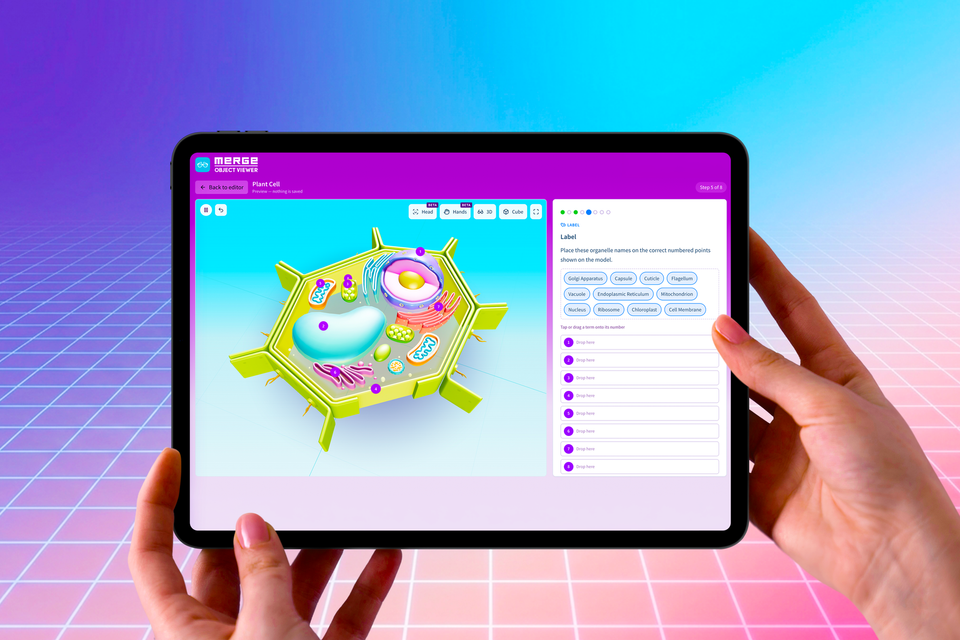
The study utilized a quantitative pretest-posttest design with students using the Merge Cube and Object Viewer to interact with natural science content.The intervention focused on shifting students from passive observers to active participants in the scientific process.
The results were definitive:
- Significant Gains in Critical Thinking: Students showed a marked increase in global mean scores for critical thinking self-perception after the pedagogical intervention.
- High Performance Levels: Post-intervention, the majority of the sample moved into a "predominantly high" performance level regarding their ability to analyze scientific data.
- Reflective Disposition: The study found that technological mediation through Merge EDU fosters a more reflective disposition toward scientific knowledge, especially in resource-limited environments where physical labs may be unavailable.
- Equity of Access: The research highlighted that even in environments with limited resources, the Merge Cube provides a high-fidelity "virtual lab" experience that levels the playing field for students.
 Merge EDU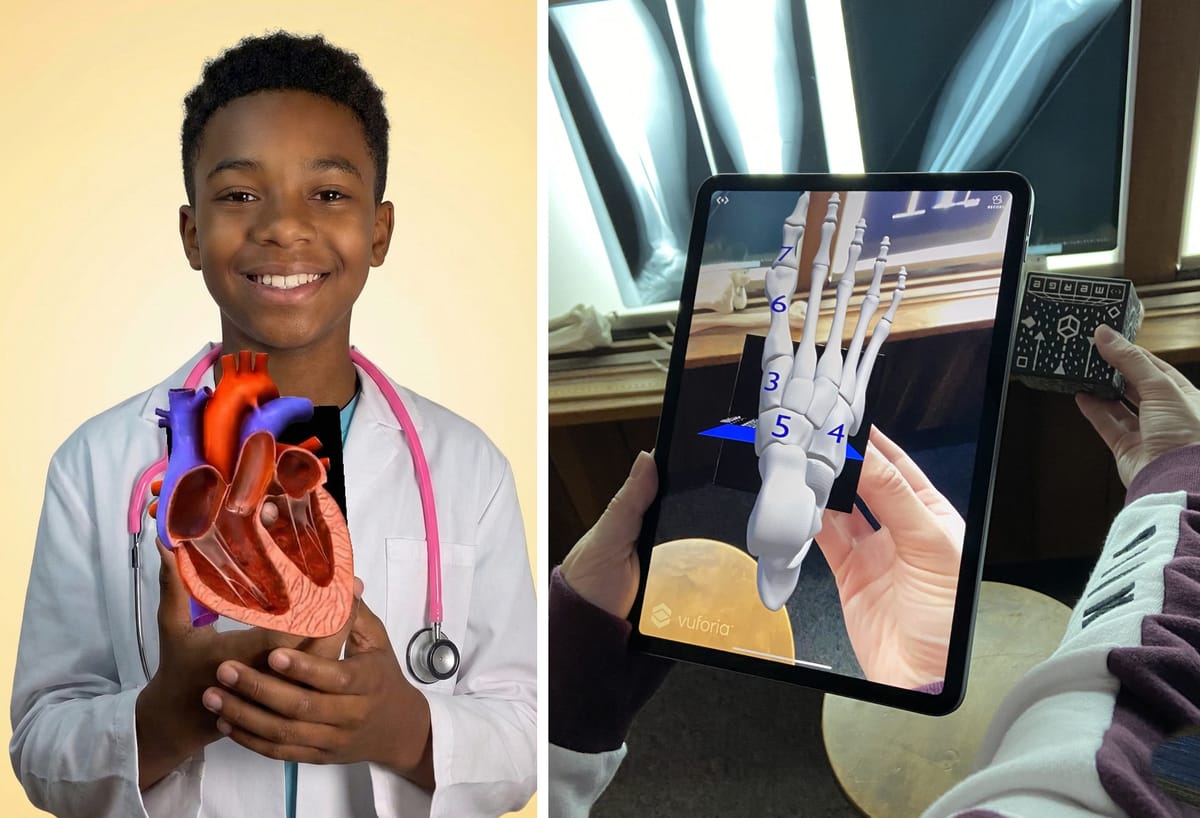
 Merge EDU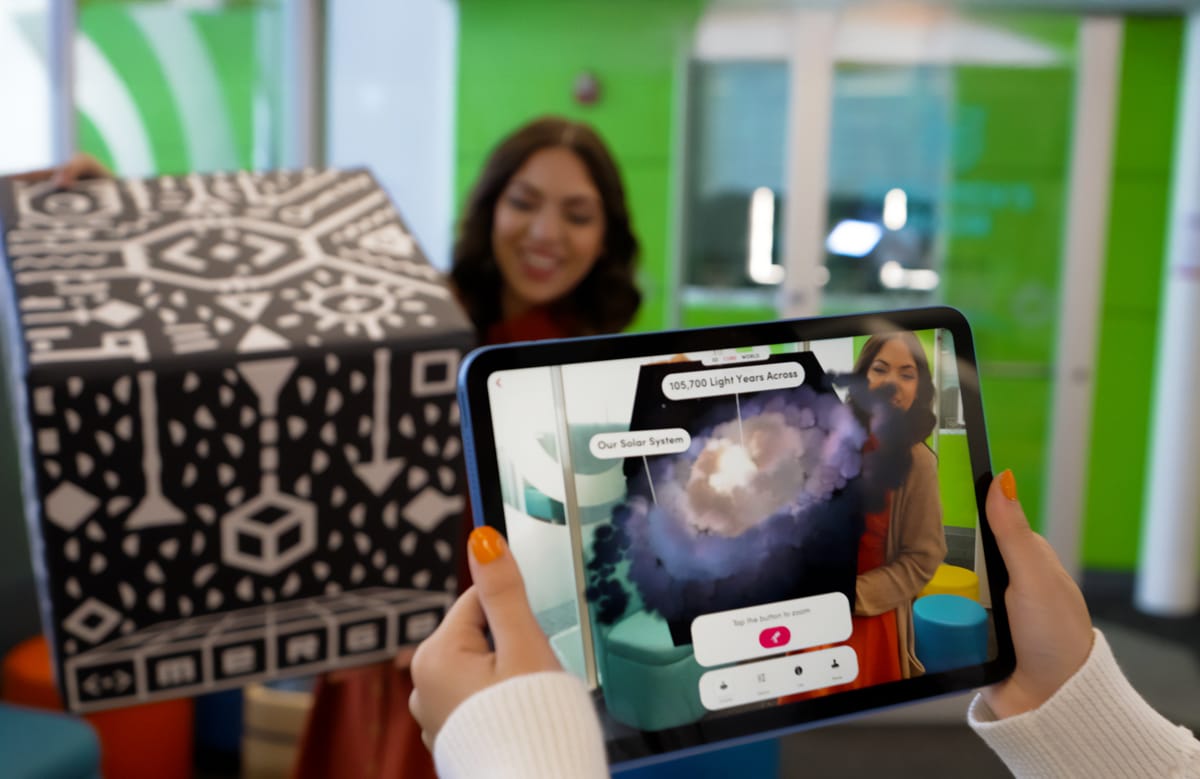
 Merge EDU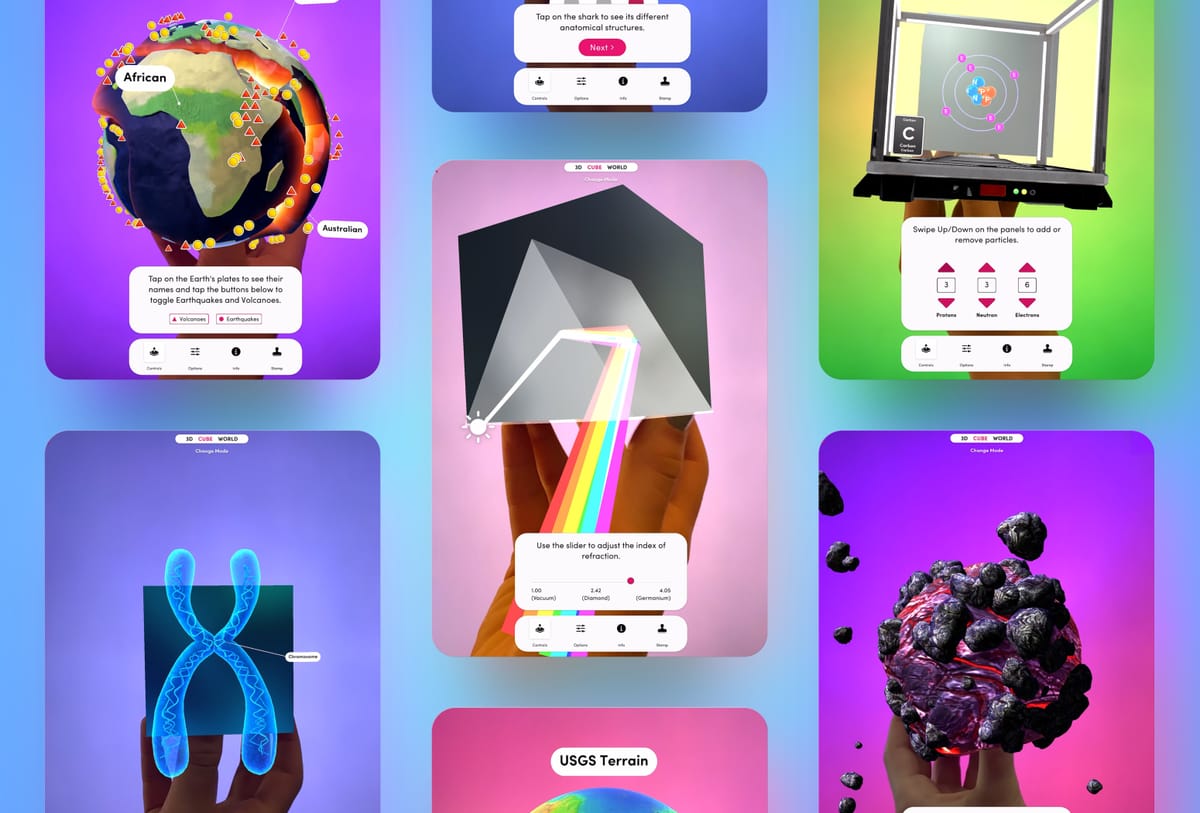
The Science of Embodied Learning
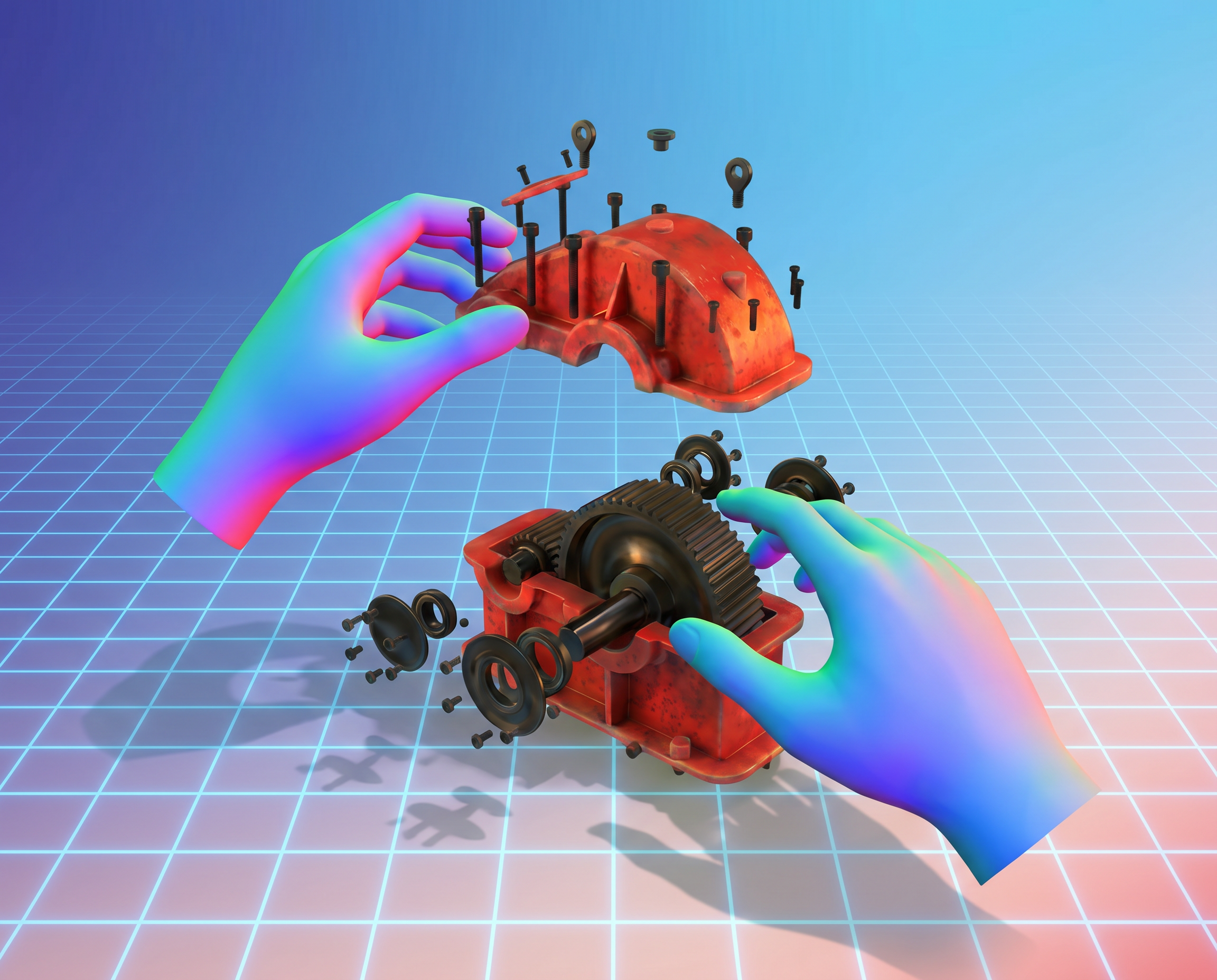
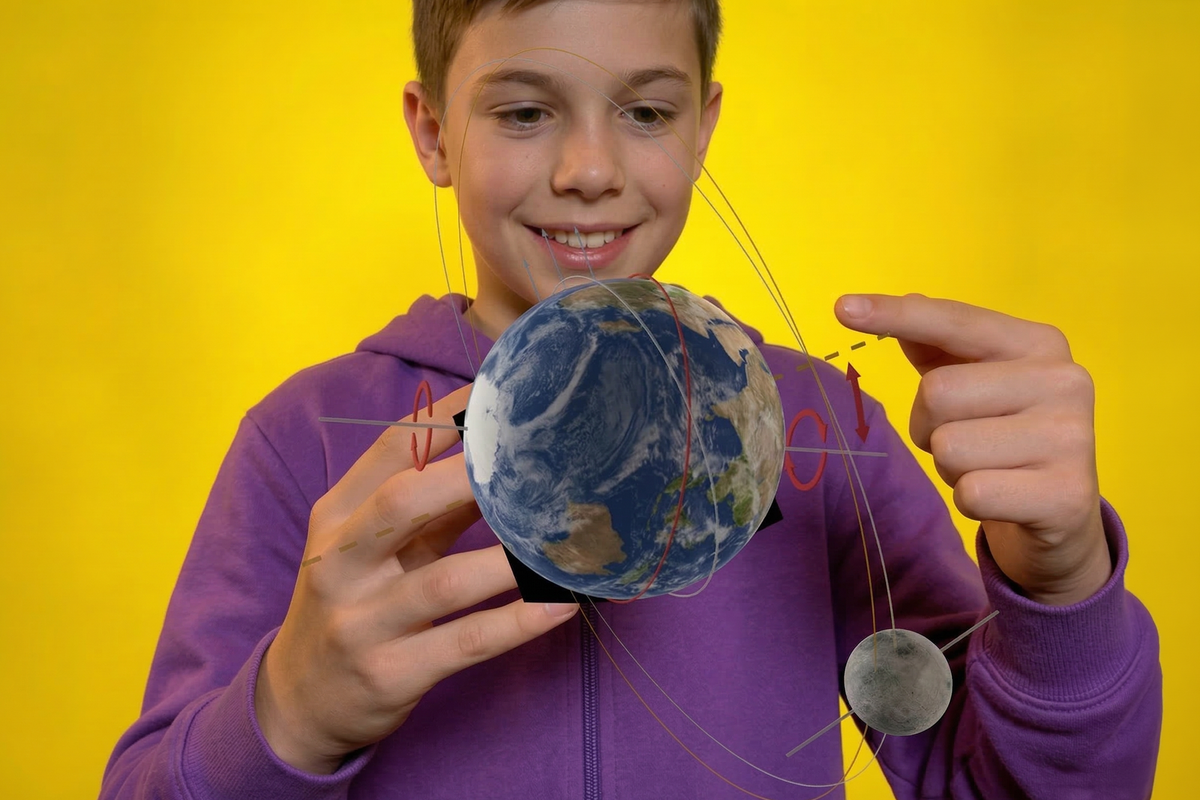
The success of this intervention is rooted in Embodied Learning—the theory that the mind and body cooperate to process information.By using the Merge Cube, students aren't just looking at a screen; they are using their motor skills to rotate, zoom, and inspect 3D objects.
This physical engagement:
- Reduces Cognitive Load: By making abstract concepts (like molecular structures or tectonic plates) tangible, students can focus on analysis rather than just visualization.
- Encourages Spatial Reasoning: Manipulation of 3D objects in physical space is a "future-ready" skill essential for careers in CTE, medicine, and engineering.
- Fits the Everyday Classroom: Because this research was conducted using standard student devices (tablets/smartphones), it proves that Merge EDU is ready for 1:1 deployment at the student desk, not just in a specialized STEM lab.
Transform Your Classroom into a 3D Learning Laboratory
The transition to a web-based, 1:1 platform in 2026 marks a shift from Merge being a "cool lab add-on" to becoming essential instructional infrastructure. By removing the barriers of app downloads and specialized "lab-only" hardware, we are ensuring that every student has equitable access to high-fidelity, embodied learning right at their desk.