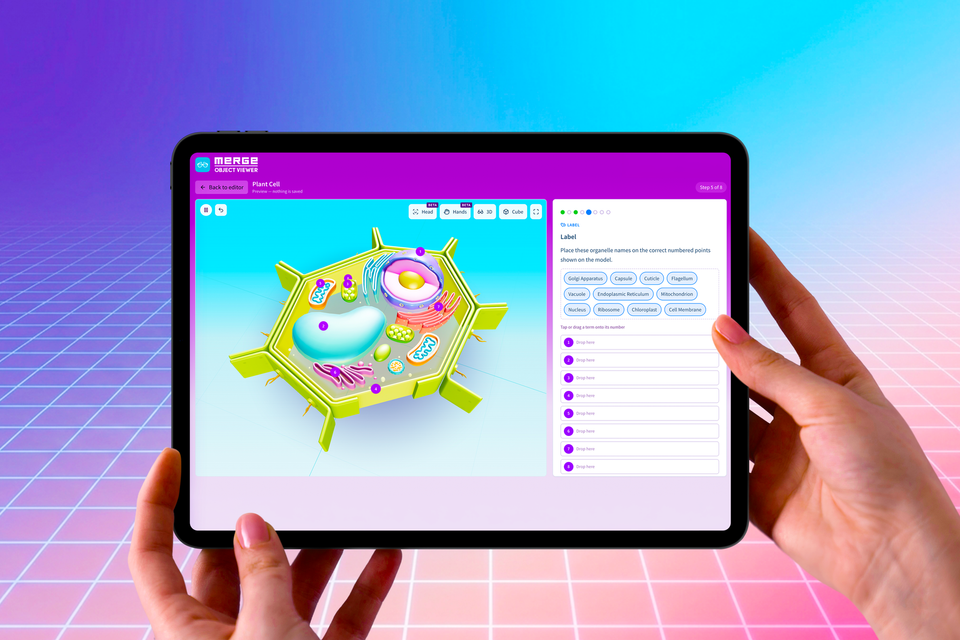
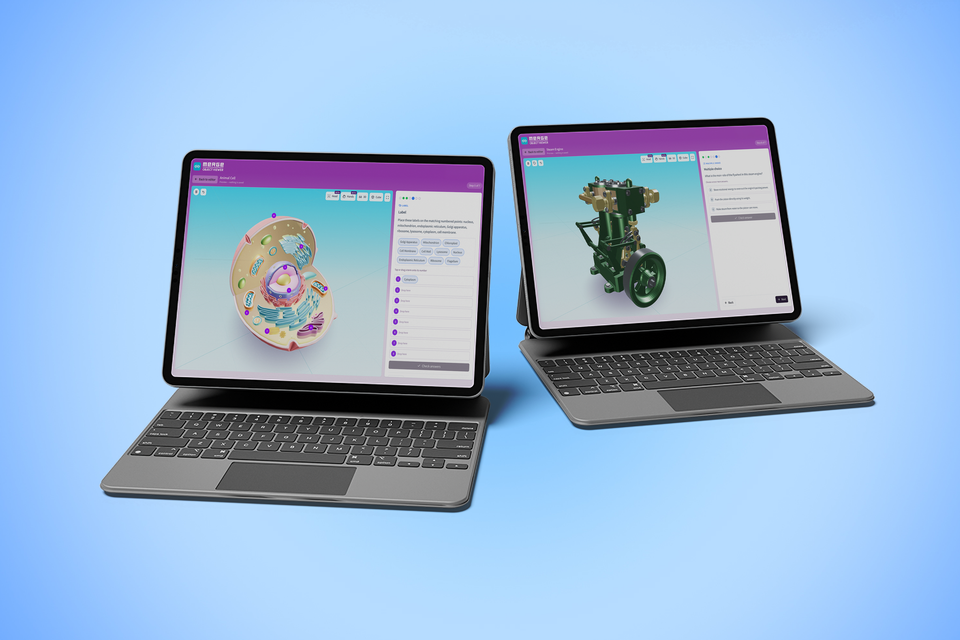
From Artemis II to the Classroom: Explore the Moon with Merge After Humanity’s Historic Return to Lunar Space
Reading about the Moon in a textbook is one thing. Holding it in your hand is another entirely.
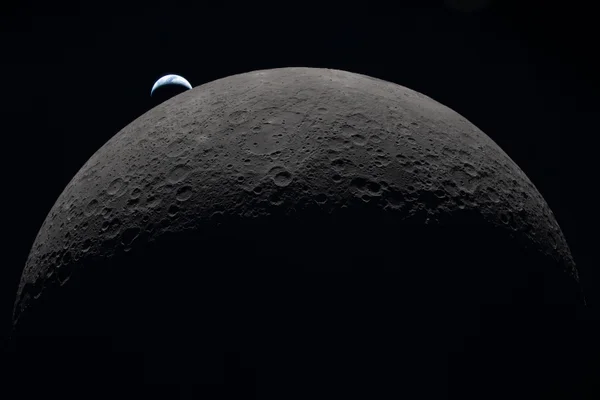
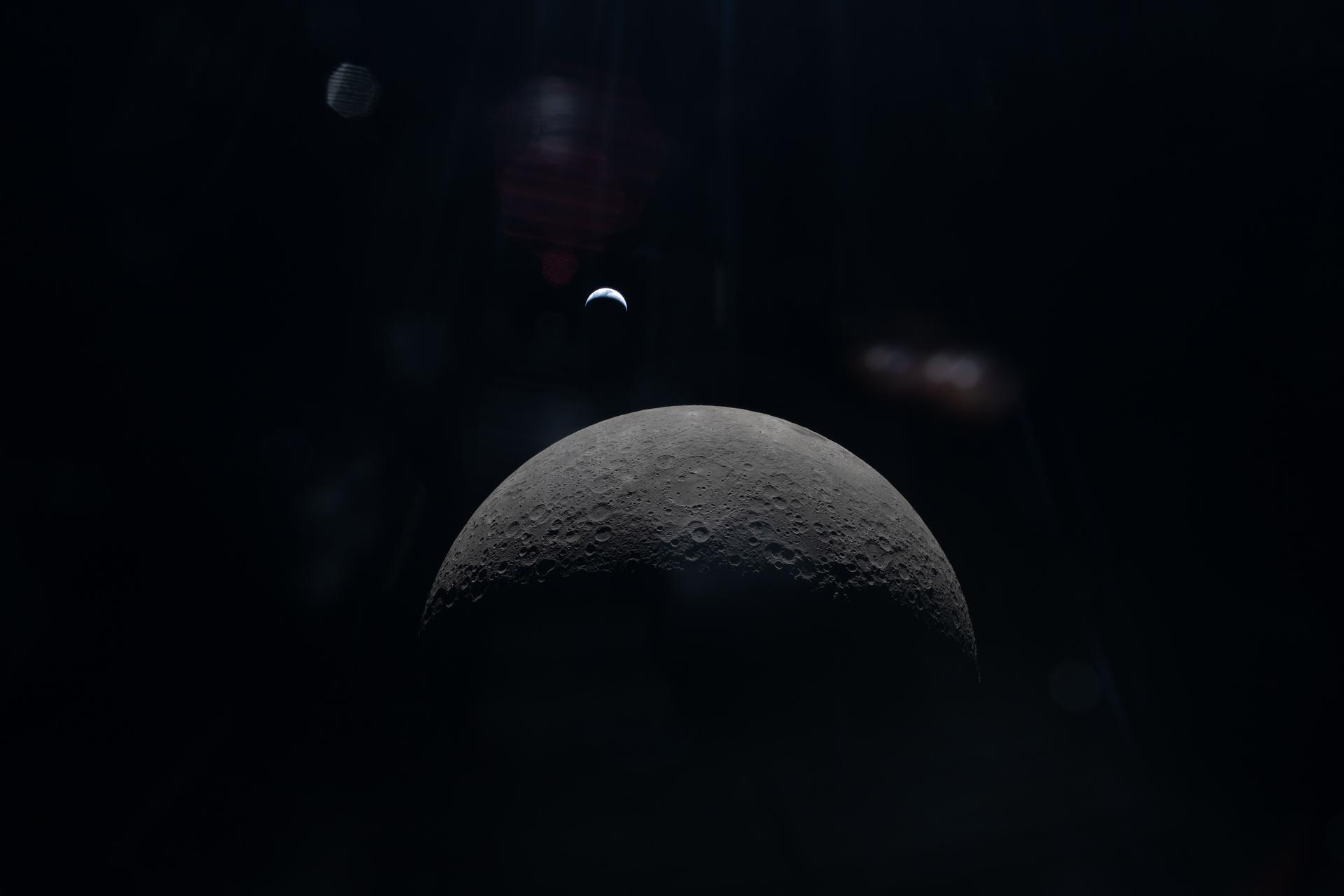
History has been made once again. For the first time in more than 50 years, astronauts have traveled around the Moon as part of NASA’s groundbreaking Artemis II mission, a nearly 10-day lunar flyby that marked humanity’s first crewed journey near the Moon since the Apollo era. The mission set new human distance records from Earth and provided stunning views of Earthrise, lunar flybys, and deep-space observations as NASA prepares for future lunar landings.
For students across the world, Artemis II has reignited something powerful: wonder. Questions about the Moon, space exploration, astronauts, and the future of human discovery are filling classrooms once again as children watch history unfold in real time.


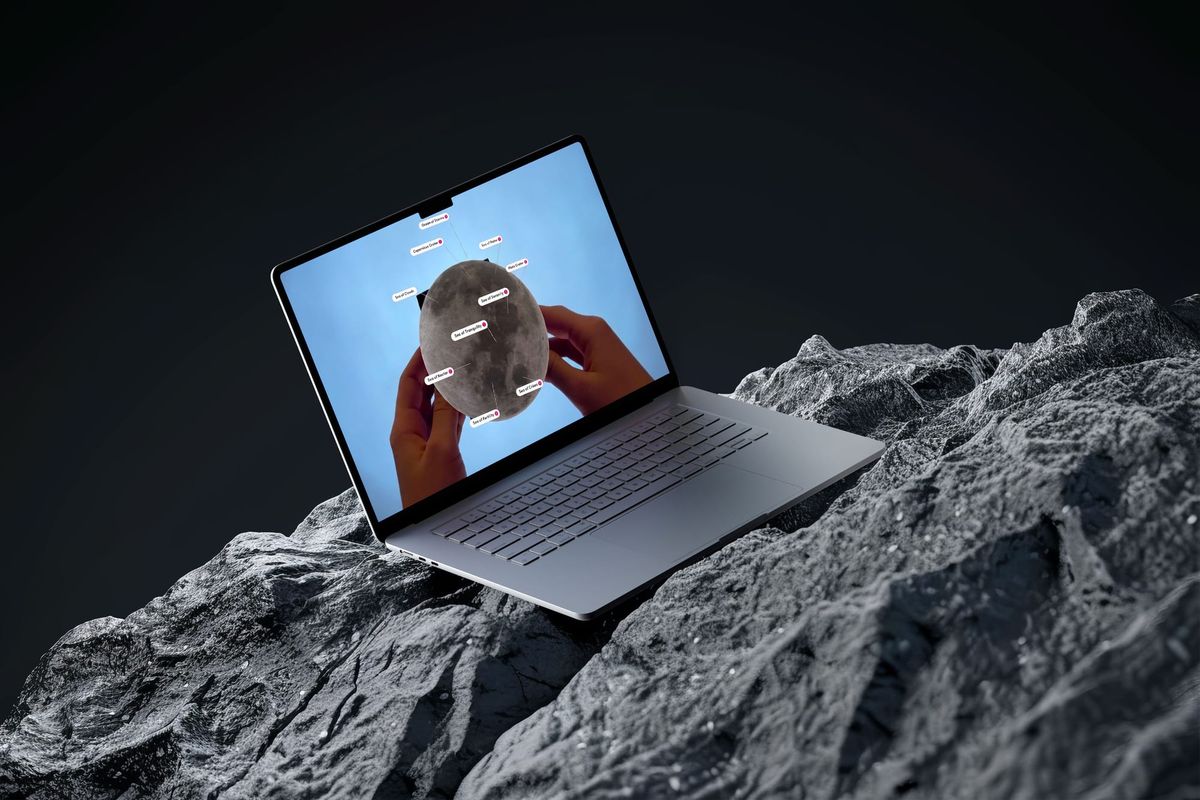
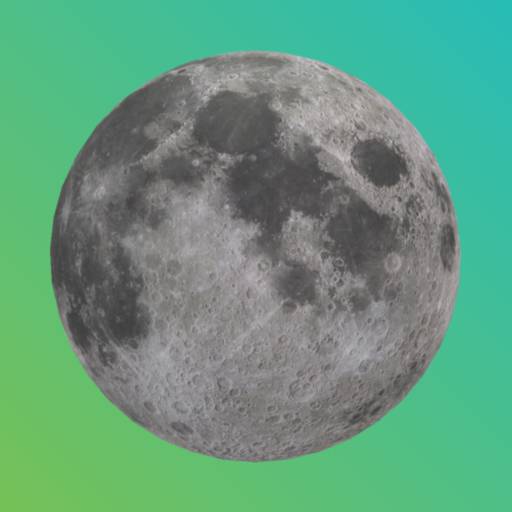
And whenever real-world science captures student imagination, educators have an incredible opportunity to turn that excitement into meaningful learning. With the Moon object in Merge Object Viewer, teachers can bring lunar science directly into students’ hands—allowing them to hold, inspect, and explore a detailed 3D model of Earth’s closest celestial neighbor right from their classroom.
Why Artemis II Matters for Today’s Students
Artemis II is far more than just another NASA mission. The crewed flight marked humanity’s return to lunar space and set a new record for the farthest distance humans have traveled from Earth, reaching more than 252,000 miles away during its mission around the Moon.
Students today are witnessing the beginning of what may become the next great era of space exploration.
For many of them, Artemis may become their generation’s Apollo moment.
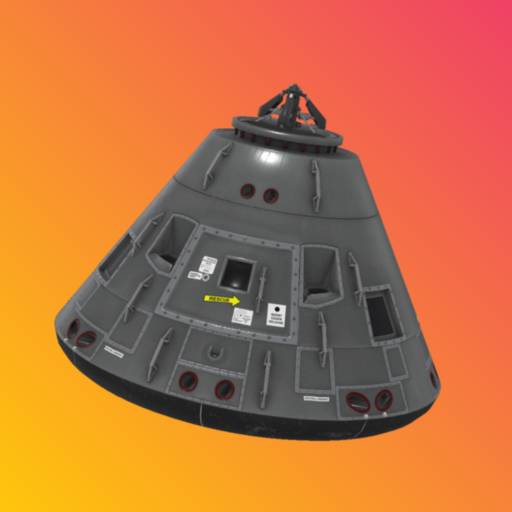
They are watching the first steps toward eventual lunar bases, deeper space missions, and future travel to Mars.
That excitement naturally creates classroom curiosity:
- What is the Moon made of?
- Why does the Moon have craters?
- How do astronauts travel there?
- Why are we going back now?
- What can scientists still learn from the Moon?
These are exactly the kinds of questions great science lessons are built around.
Put the Moon in Students’ Hands with Merge Object Viewer
With Merge Object Viewer, students can use the Merge Cube to visualize a realistic 3D Moon model in augmented reality and inspect it from every angle.
They can:
- Rotate the Moon to observe its surface features
- Examine crater formations and impact marks
- Study lunar maria and highlands
- Observe the Moon’s texture and geography up close
- Gain a better understanding of why the Moon looks the way it does from Earth
Instead of seeing a flat image on a worksheet, students physically manipulate the Moon as if they are holding a model from a science museum.
This kind of hands-on interaction makes lunar science more tangible, memorable, and exciting.

Turning Current Events into Inquiry-Based Learning
One of the most powerful ways to engage students is by connecting classroom lessons to events happening in the real world.
Artemis II gives educators the perfect opportunity to build inquiry-driven STEM lessons around current space exploration. Teachers can pair the Moon object with classroom discussions like:
What challenges do astronauts face when traveling to the Moon?
Why are lunar craters important to scientists?
What did Artemis II accomplish that prepares NASA for future missions?
How does studying the Moon help us learn about Earth’s history?
Students can use Merge Object Viewer to investigate the Moon visually while discussing the scientific and engineering achievements behind modern lunar missions. This bridges space science, Earth science, engineering, and history into one cohesive lesson.
Inspiring the Next Generation of Explorers
Many of today’s scientists, engineers, and astronauts were inspired by watching major space milestones during childhood.nThe Apollo missions inspired a generation. Now Artemis is doing the same.
By tying the excitement of Artemis II into classroom learning, educators can help students see that science is not just something from the past—it is happening right now. Students aren’t just learning about old discoveries. They are living during an era of new discovery.
Who knows? The students holding the Merge Cube in your classroom today may one day help build the spacecraft, habitats, or technology used in the next great mission beyond the Moon.
Bring Space Exploration into Your Classroom Today
The Artemis II mission has reminded the world that lunar exploration is back. And with that renewed excitement comes the perfect moment to bring lunar science into your classroom in a way students will never forget.
With Merge Object Viewer’s Moon model, students can go beyond reading about space and instead hold one of humanity’s greatest exploration targets in the palm of their hand.
Because when students can physically interact with the Moon while watching history unfold above them, science becomes more than a lesson.
It becomes inspiration.
👉 Learn more at trymerge.com