Celebrate Earth Day 2026 with Hands-On Augmented Reality Learning from Merge EDU
Merge EDU provides exciting, academically enriching Earth science experiences that students remember long after Earth Day ends.
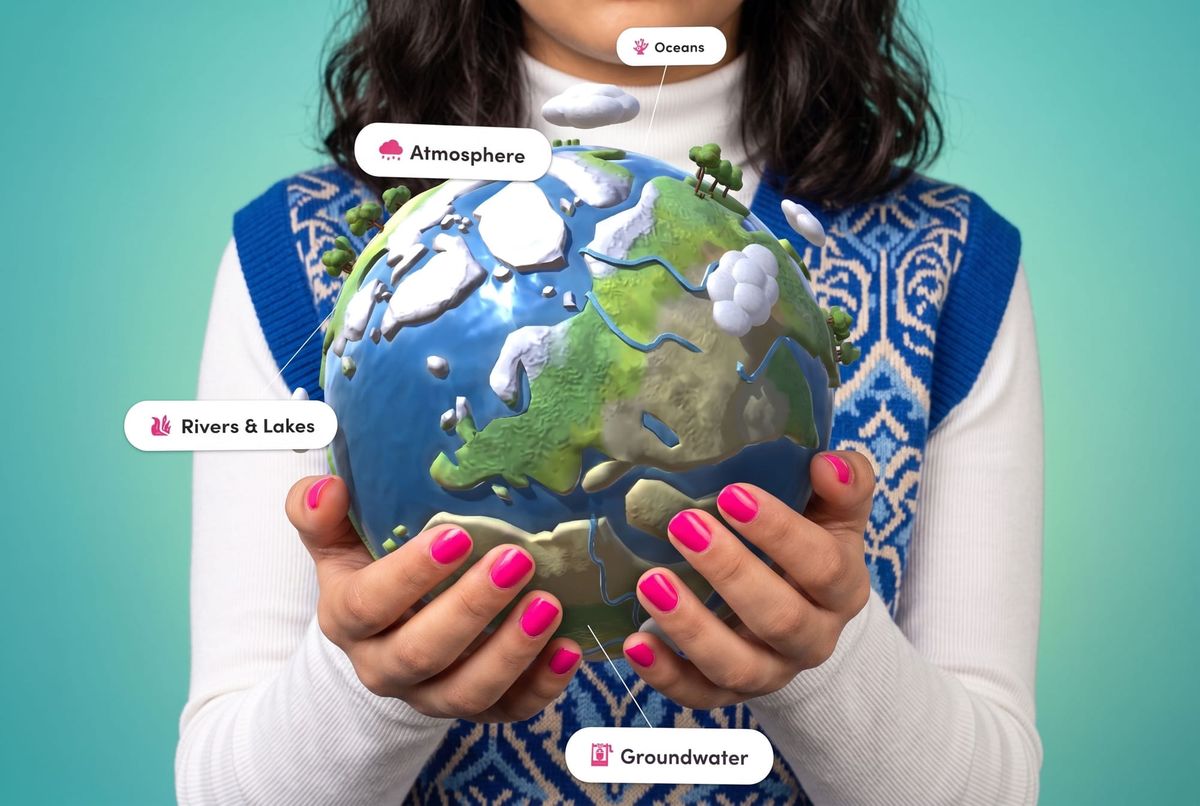
Every year on April 22, classrooms around the world celebrate Earth Day by helping students better understand the planet they call home. Teachers use the occasion to inspire environmental awareness, discuss conservation, and spark curiosity about the systems that make Earth such an extraordinary place to live.
But Earth Day lessons shouldn’t stop at worksheets, posters, and documentaries.
This Earth Day, educators can transform their classrooms into immersive science labs where students hold the Earth in their hands, investigate real-world climate data, and explore Earth’s systems in 3D using Merge EDU’s augmented reality tools.
With Merge Explorer, Merge HoloGlobe, and Merge Object Viewer, students can move beyond simply reading about Earth science concepts and instead interact directly with them through hands-on digital learning experiences that make abstract topics visual, tangible, and unforgettable.
Bring Earth Science to Life with Merge Explorer
Some Earth science concepts are difficult for students to fully understand because they happen on scales far too large, deep, or complex to observe in person.
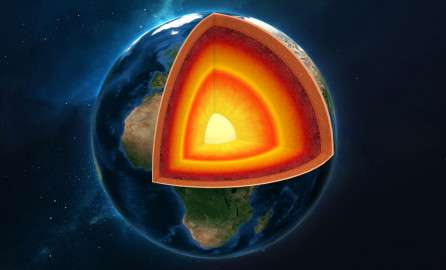
🌍 Students can’t physically travel into Earth’s mantle.
🫨 They can’t watch tectonic plates shift beneath the surface.
☔️ They can’t shrink down and observe the water cycle operating across the atmosphere.
That’s where Merge Explorer changes everything.
 Merge EDU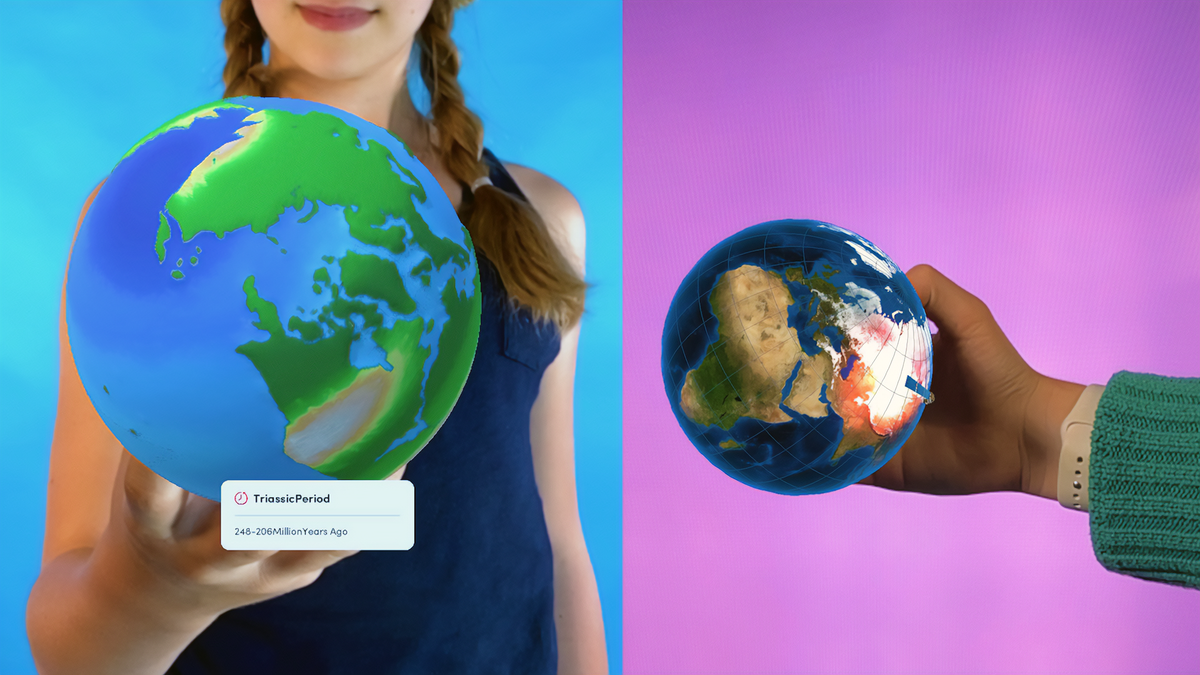
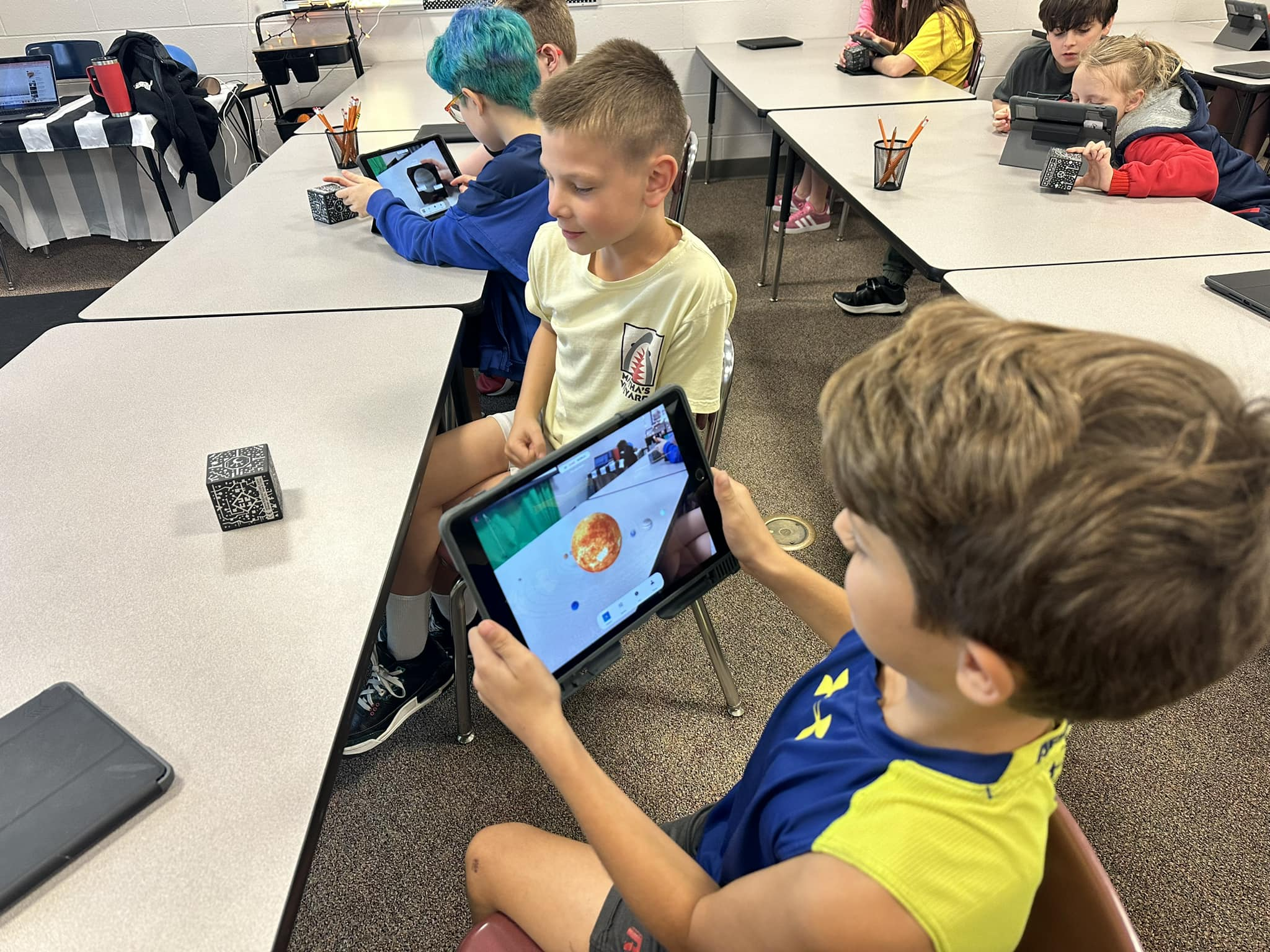
Merge Explorer gives students access to over 100 interactive STEM and science simulations, allowing them to touch, hold, and interact with Earth science concepts in augmented reality.
For Earth Day lessons, students can explore simulations like:
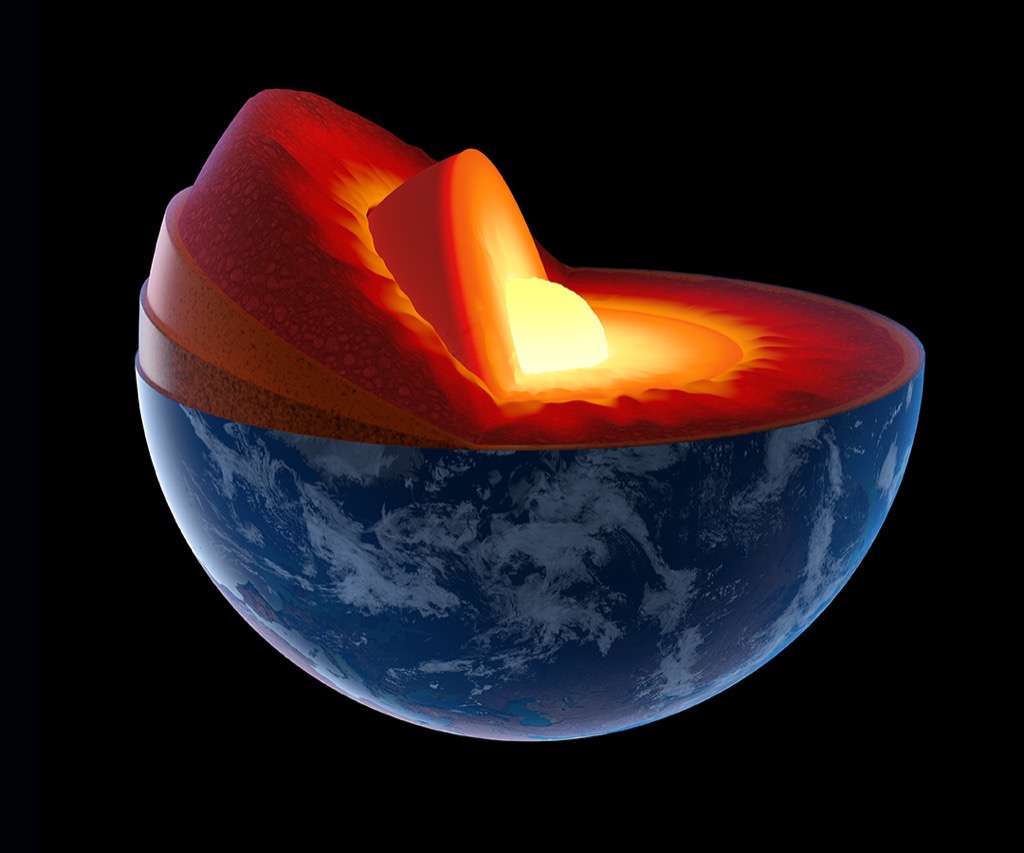
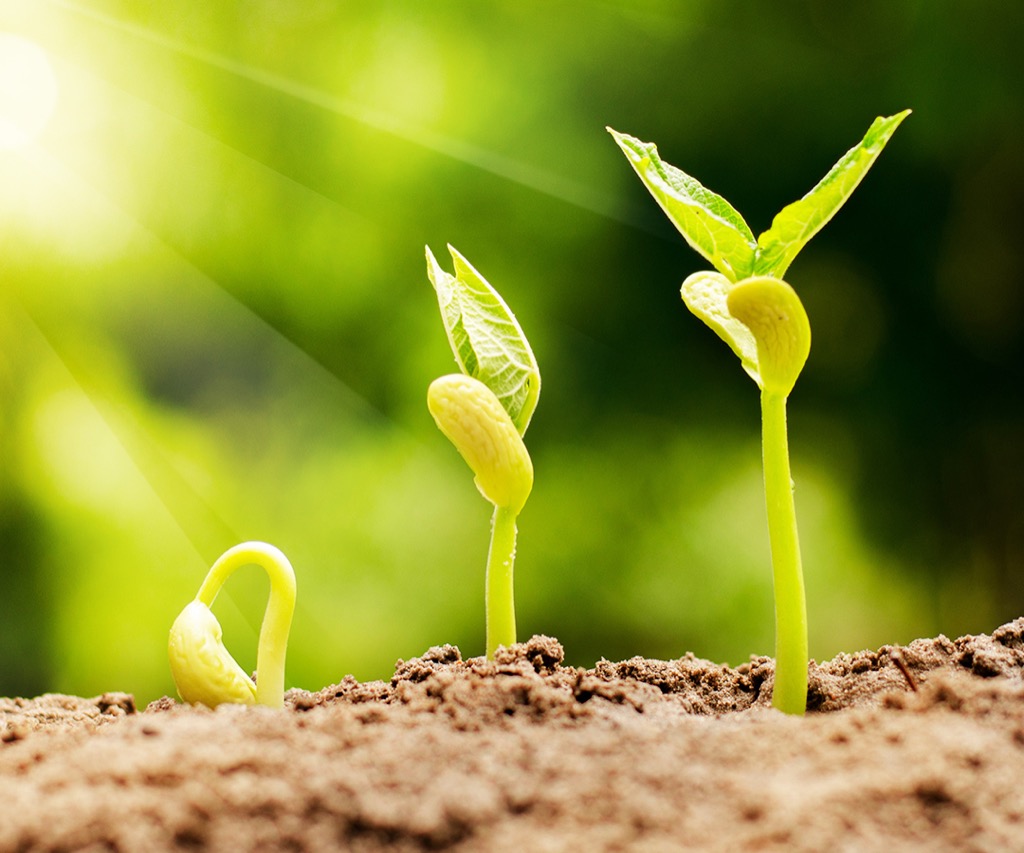

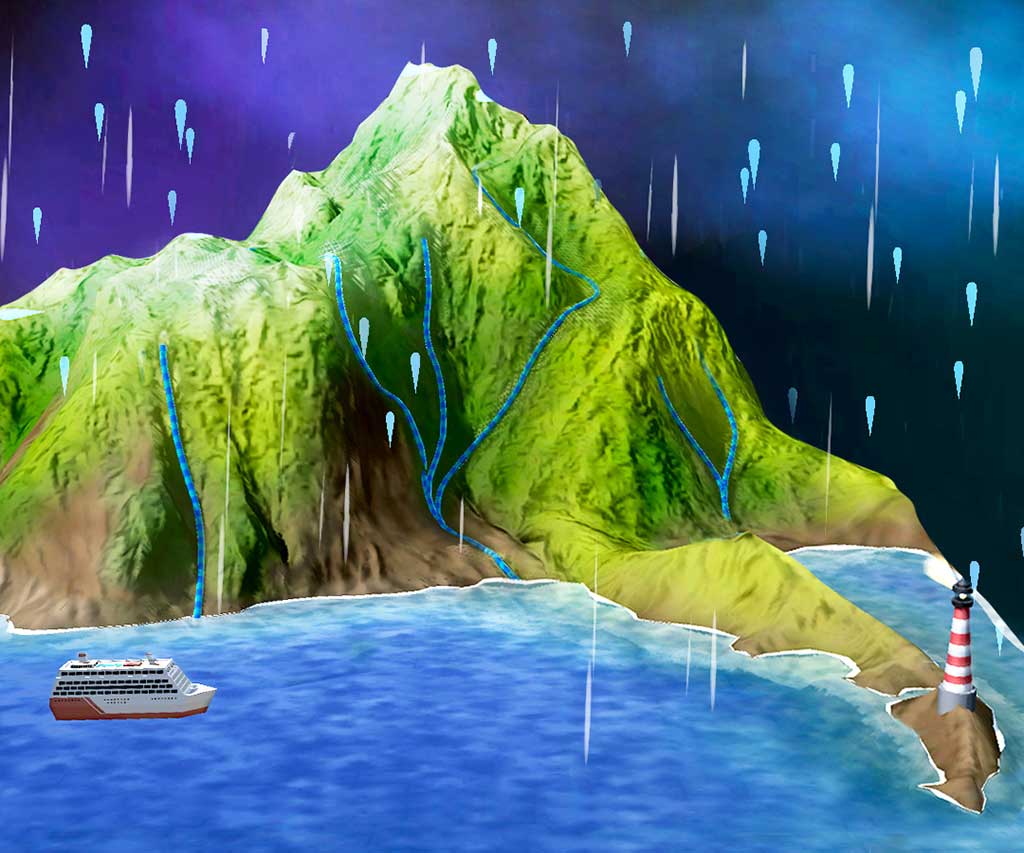
Instead of trying to imagine these systems from textbook diagrams, students can physically manipulate them on the Merge Cube and examine them from every angle.
For Earth Day, this creates a perfect opportunity to help students appreciate not just Earth’s beauty—but the incredible systems that keep our planet functioning.
Investigate Real Earth Data with Merge HoloGlobe
Earth Day is also about helping students understand the real environmental challenges and patterns shaping our world today.
That’s why Merge HoloGlobe is one of the most powerful Earth Day teaching tools available.
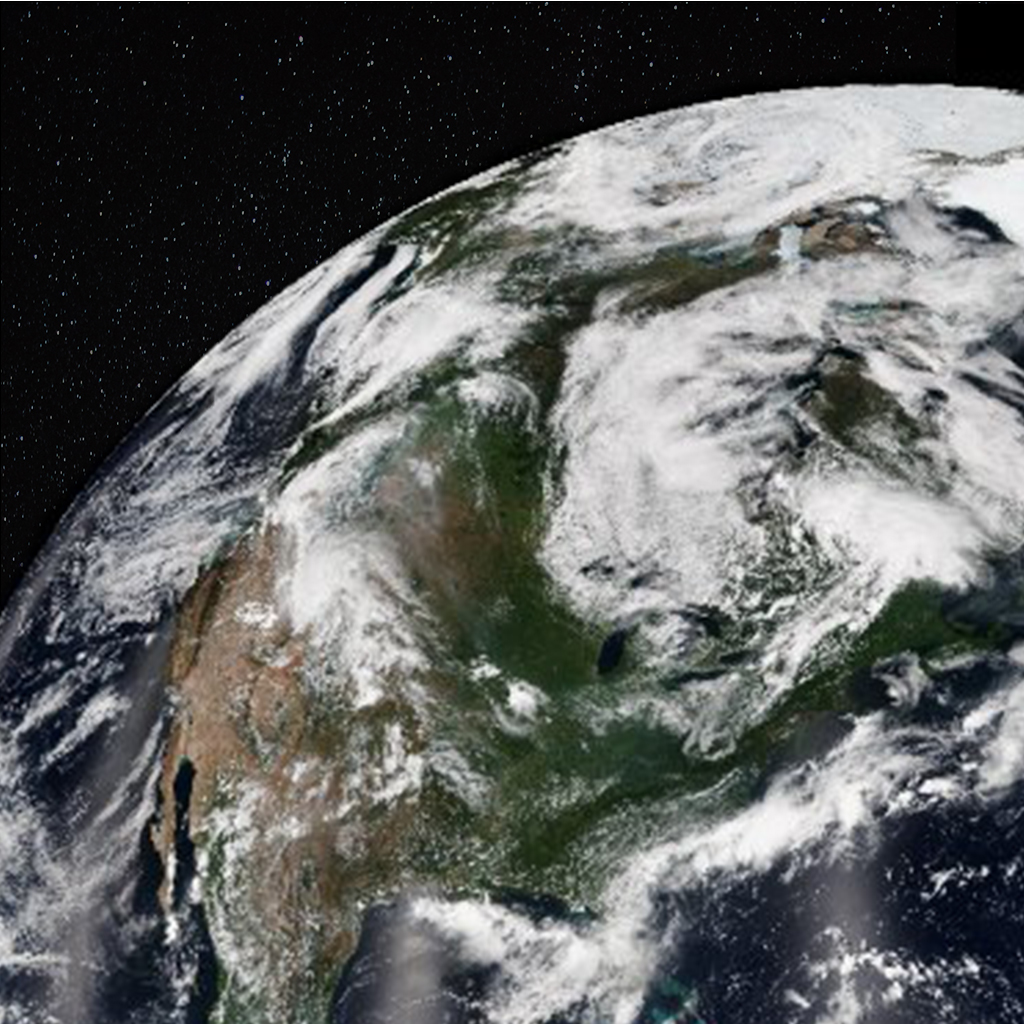
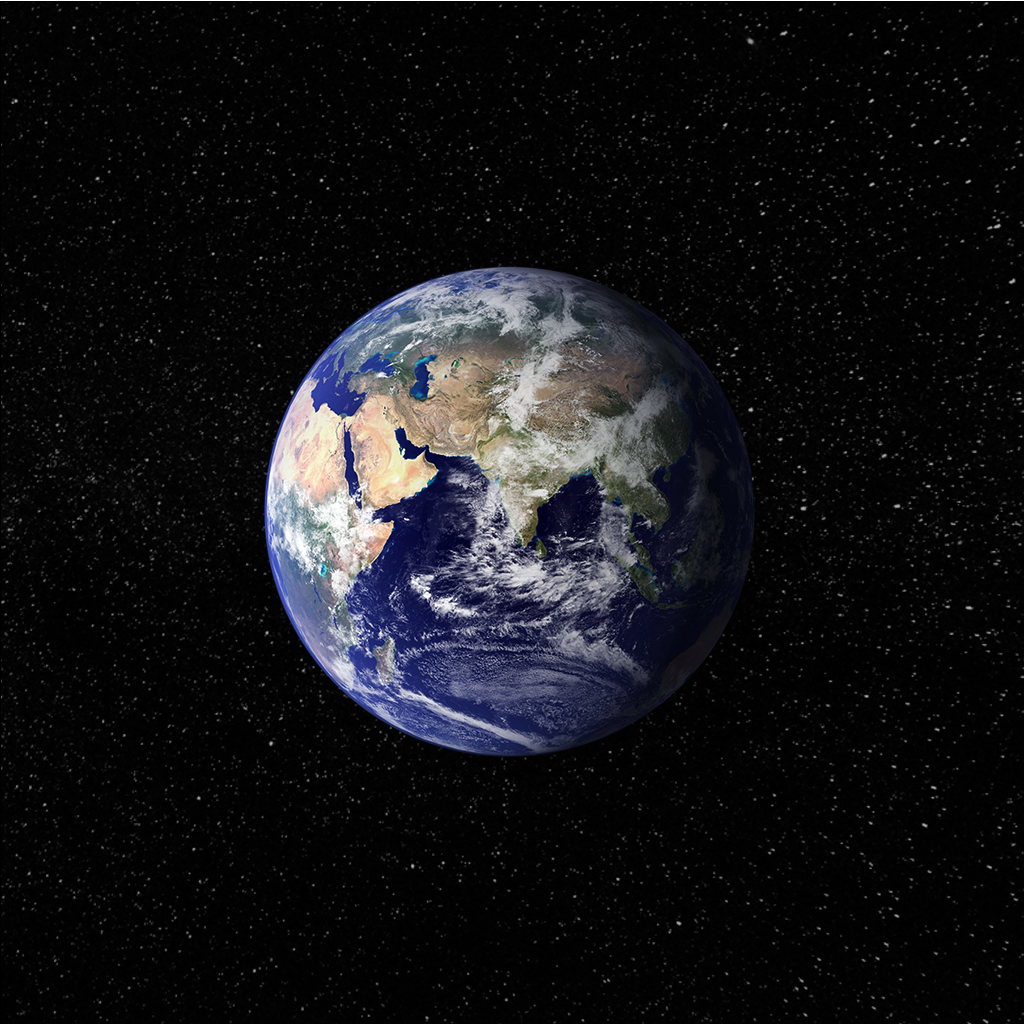
Powered by real NASA and NOAA satellite data, HoloGlobe allows students to hold a living, data-rich Earth in the palm of their hand and investigate global phenomena happening in real time.
Students can examine:
- Cloud coverage around the globe
- Rainfall and precipitation patterns
- Ocean temperatures
- Land temperatures
- Snowfall and ice cover
- Wildfire activity
- Hurricanes and weather systems
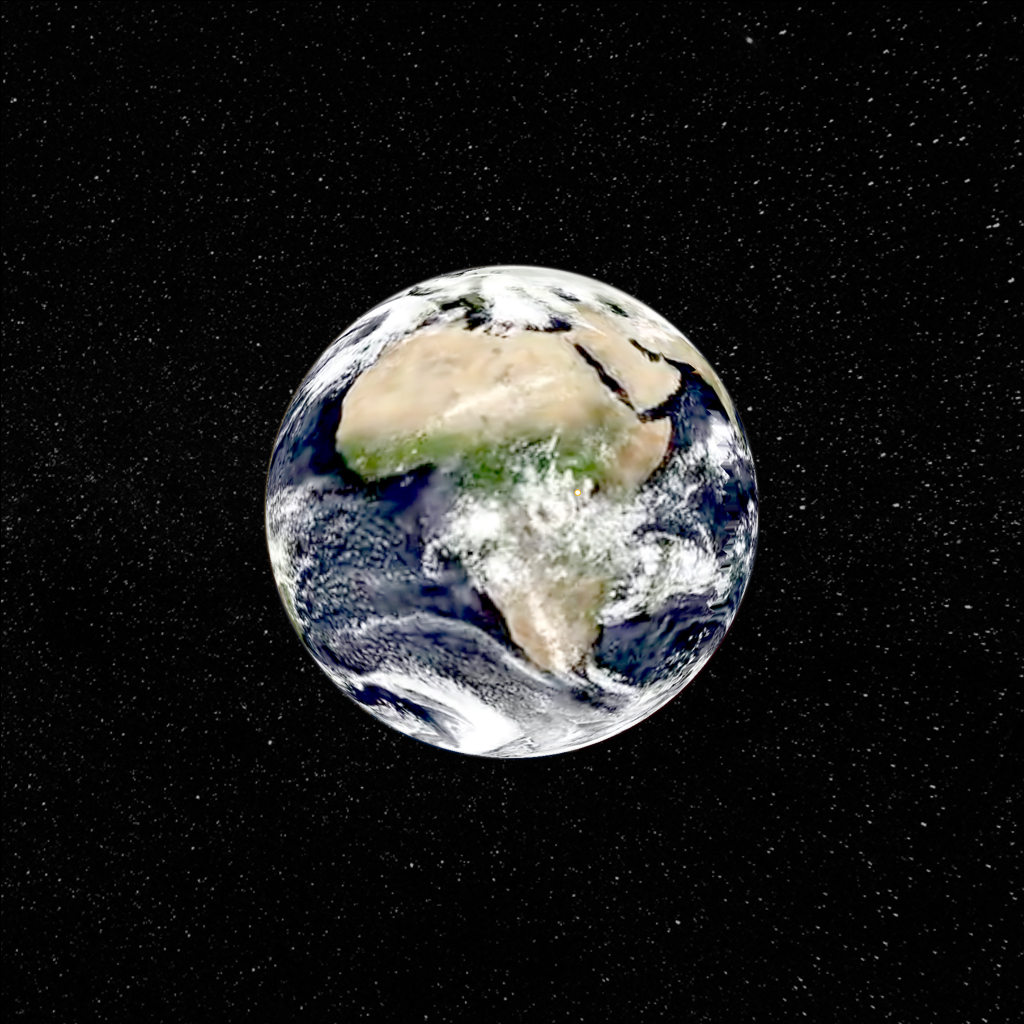
Earth Day becomes dramatically more meaningful when students aren’t just hearing about climate and weather systems—they’re actually observing them live.
Merge EDU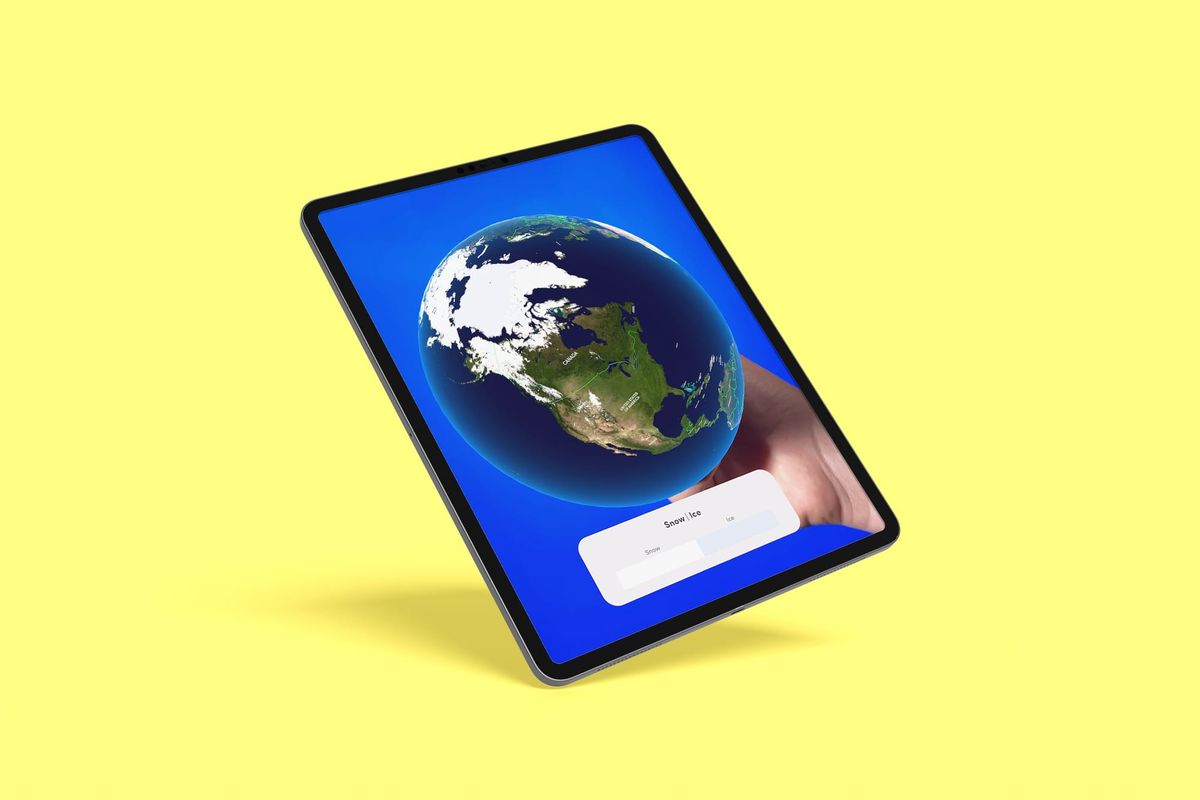
Imagine students watching active storm systems swirl over the Atlantic, identifying wildfire hotspots across continents, or comparing temperature shifts across hemispheres.
These experiences help students connect classroom science to the real world and develop a deeper understanding of Earth as a dynamic, ever-changing system.
Explore Earth’s Natural Wonders with Object Viewer
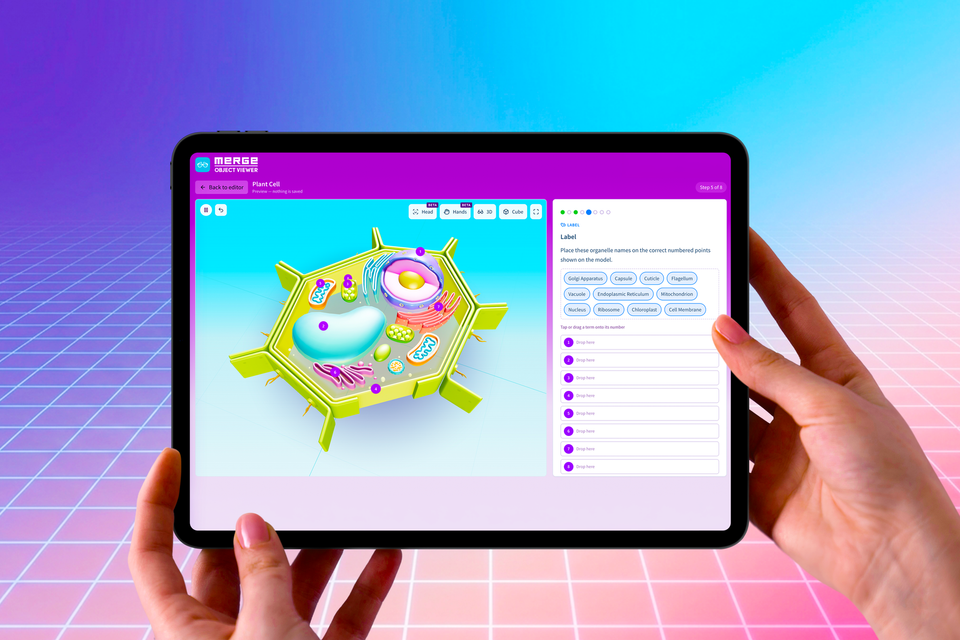
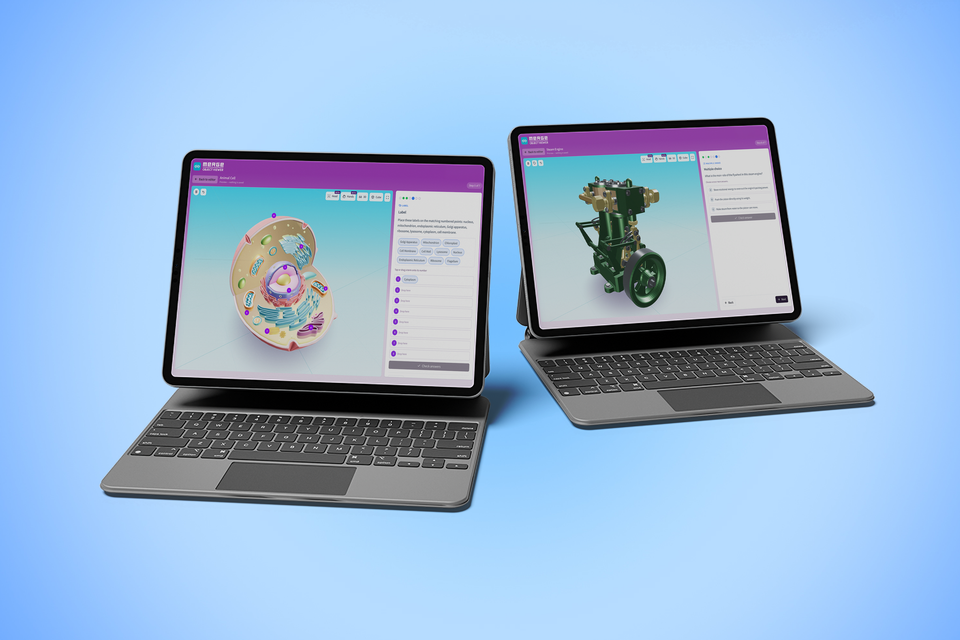
Earth Day is also a celebration of the incredible diversity of the natural world, and Merge Object Viewer allows students to investigate Earth’s materials, organisms, and structures through over 1,000 digital teaching aids.
With Object Viewer, students can hold and inspect true-to-life 3D models related to Earth science topics such as:
- Rocks and minerals
- Landforms
- Animal life cycles
- Plant structures
- Ecosystems
- Ocean organisms

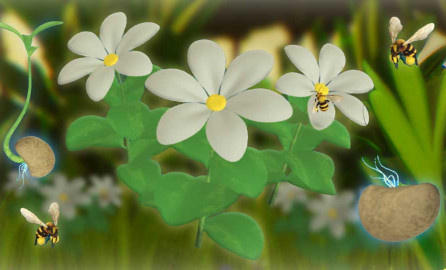
Students can zoom in, rotate, and closely inspect digital teaching aids just as they would with physical classroom models—without needing expensive specimen kits or storage space.
Merge EDU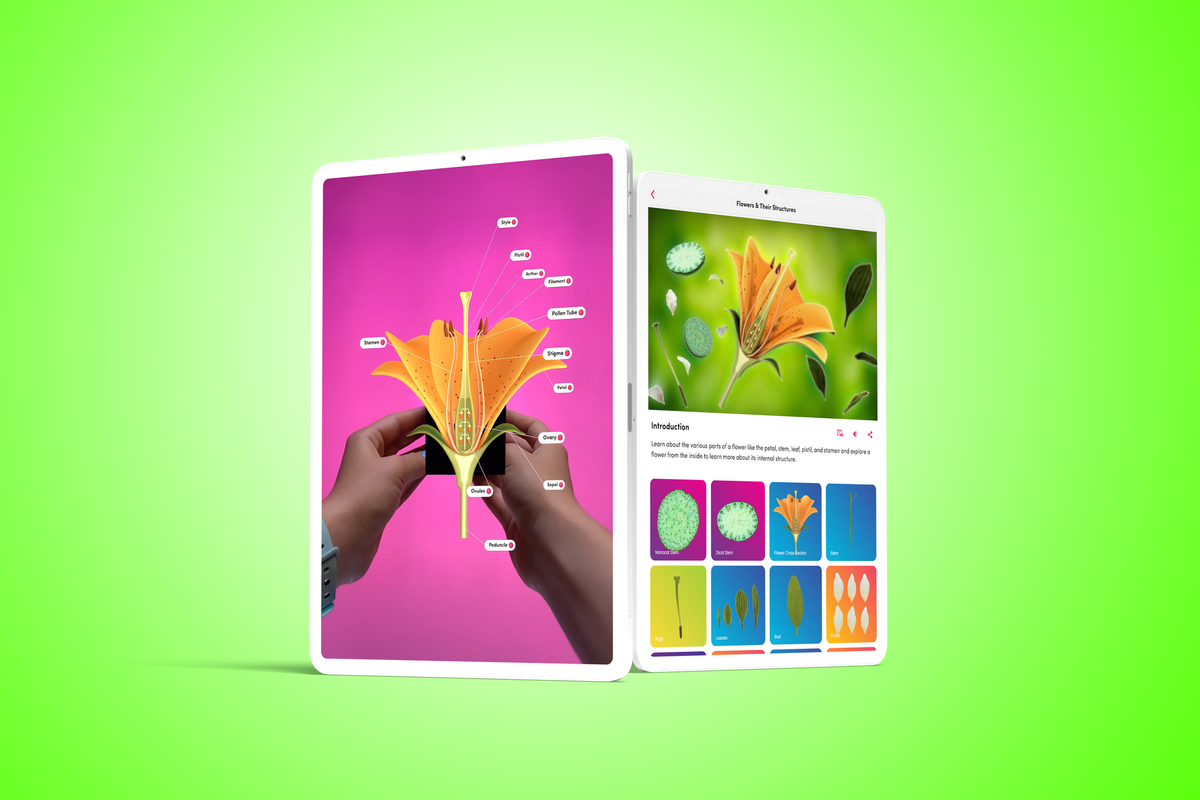
For Earth Day classroom activities, teachers can create exploration stations where students rotate through different Earth-themed collections to study biodiversity, geology, and ecosystems.
It’s like having the equivalent of an entire science lab collection available anytime, anywhere.
Why Earth Day is Perfect for Hands-On AR Learning
Earth Day naturally inspires wonder—but Merge EDU helps transform that wonder into deeper understanding.
When students can see, hold, and interact with scientific concepts, learning becomes more memorable and meaningful.
Earth science is filled with abstract systems and large-scale processes that can be difficult to visualize through traditional teaching methods alone. Merge EDU bridges that gap by making those invisible and complex concepts tangible.
Rather than simply telling students to care about the planet, Merge helps them understand why Earth is worth protecting by showing them how incredible and interconnected its systems truly are.
Merge EDU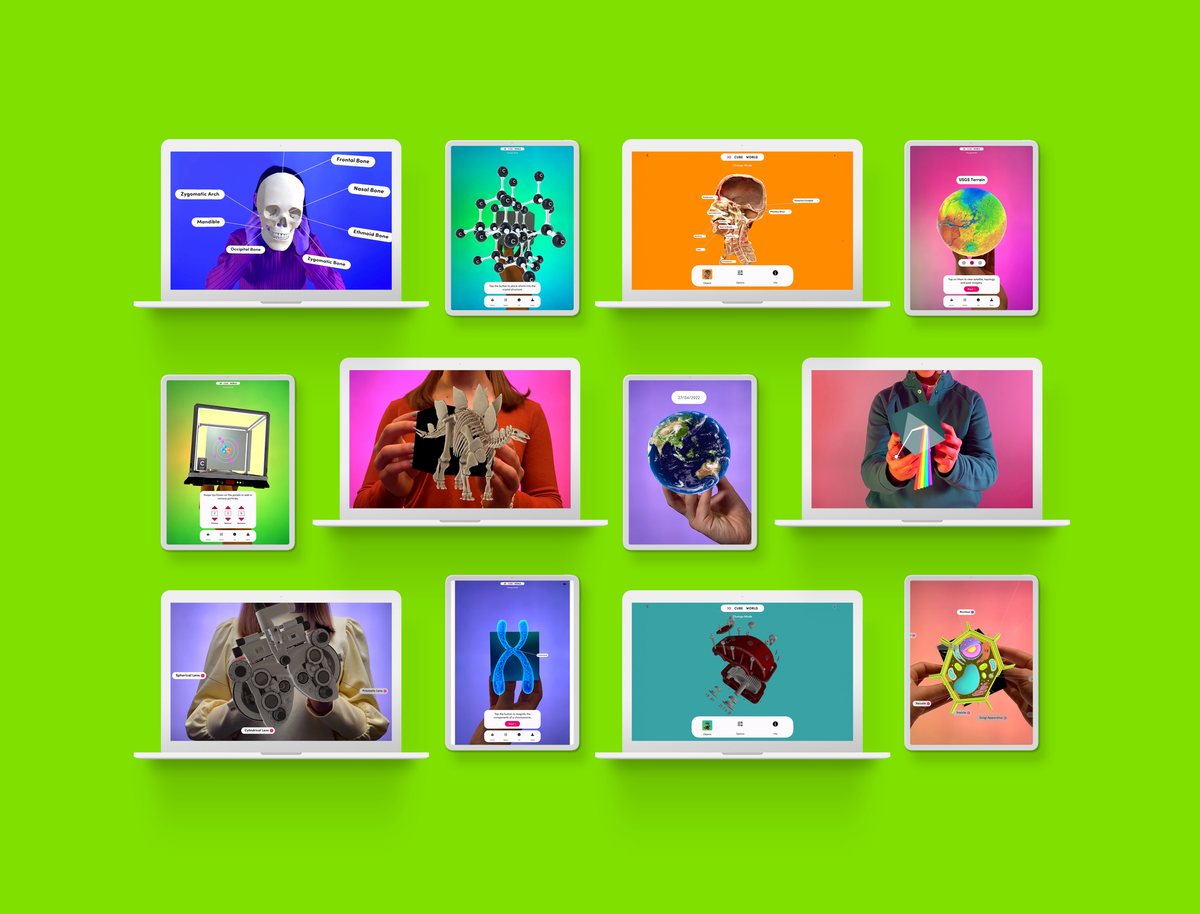
Make Earth Day Memorable This Year
This Earth Day, don’t just talk about the planet—put it in your students’ hands.
Whether your students are:
- Exploring the structure of Earth in Merge Explorer
- Tracking weather and climate systems with HoloGlobe
- Investigating rocks, fossils, and ecosystems in Object Viewer
Because when students can hold the Earth in their hands, learning about it becomes personal.
Ready to celebrate Earth Day with hands-on augmented reality?
Explore Merge EDU’s Earth science tools and discover how your classroom can bring the planet to life this April.
👉 Learn more at trymerge.com