Small Creatures, Big Impact: Exploring Pollinators
Celebrate World Bee Day by bringing the hive to life in your classroom.
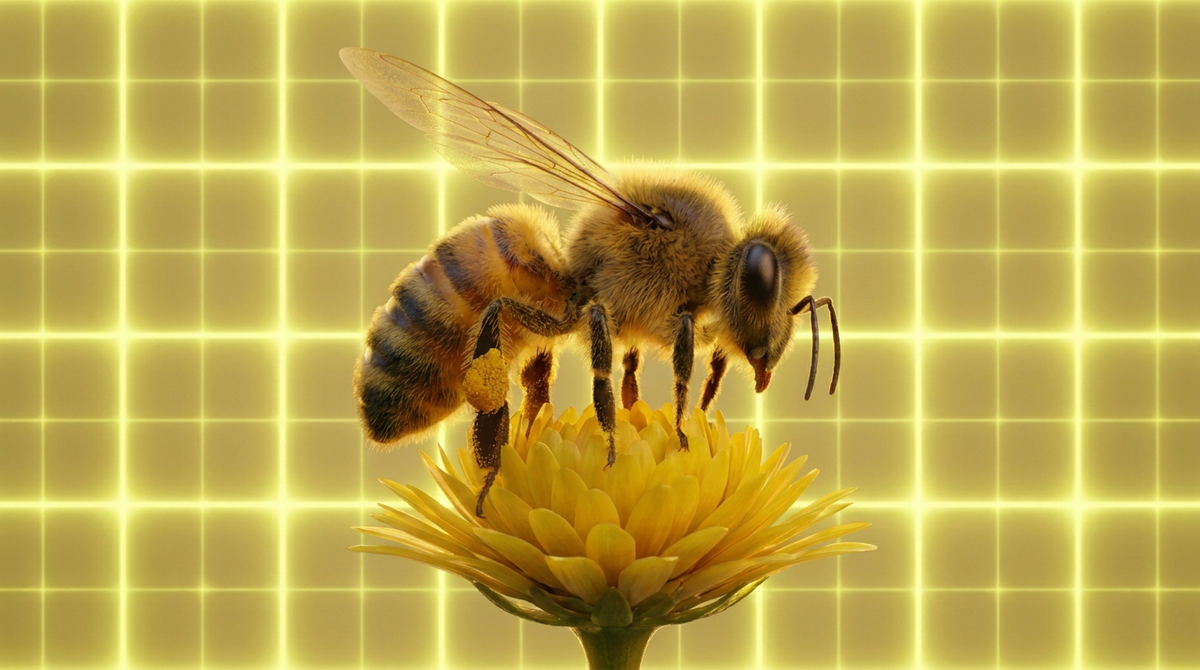
On May 20, classrooms around the world recognize World Bee Day, a global celebration of one of the most important—and often overlooked—contributors to life on Earth: the honey bee.
Bees are responsible for pollinating a vast portion of the crops and plants that sustain ecosystems and food systems worldwide. Yet for many students, their understanding of bees begins and ends with a quick image in a textbook or a fleeting moment in the schoolyard.
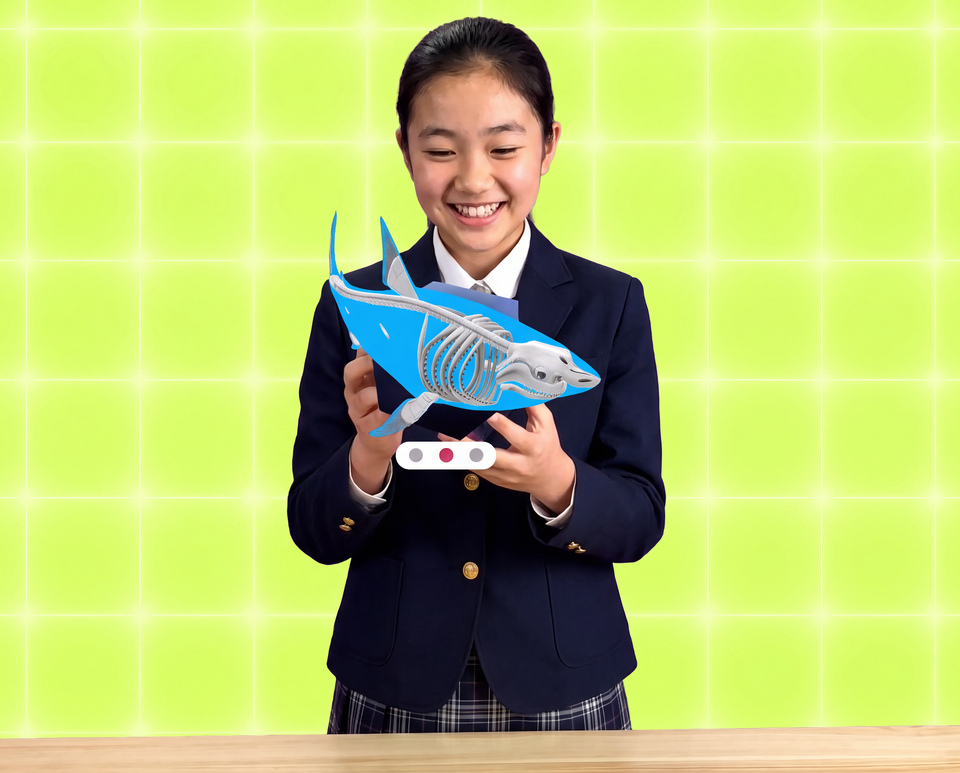
But what if students could safely hold a bee, examine its anatomy, and explore its entire life cycle up close?
Bringing the Hive into Students’ Hands
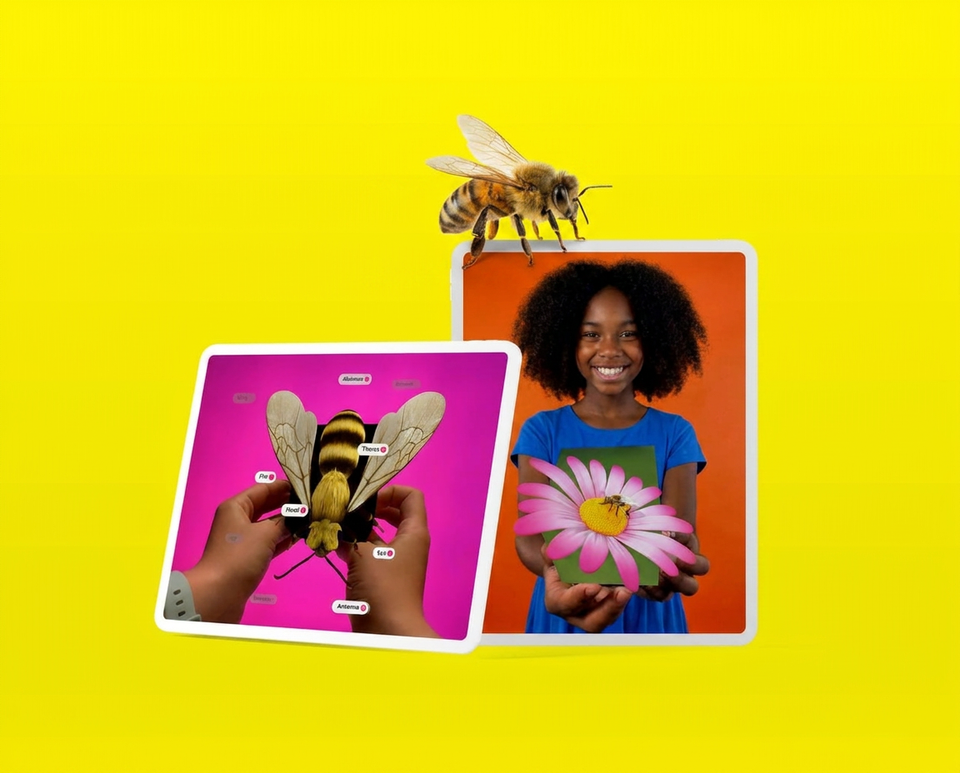
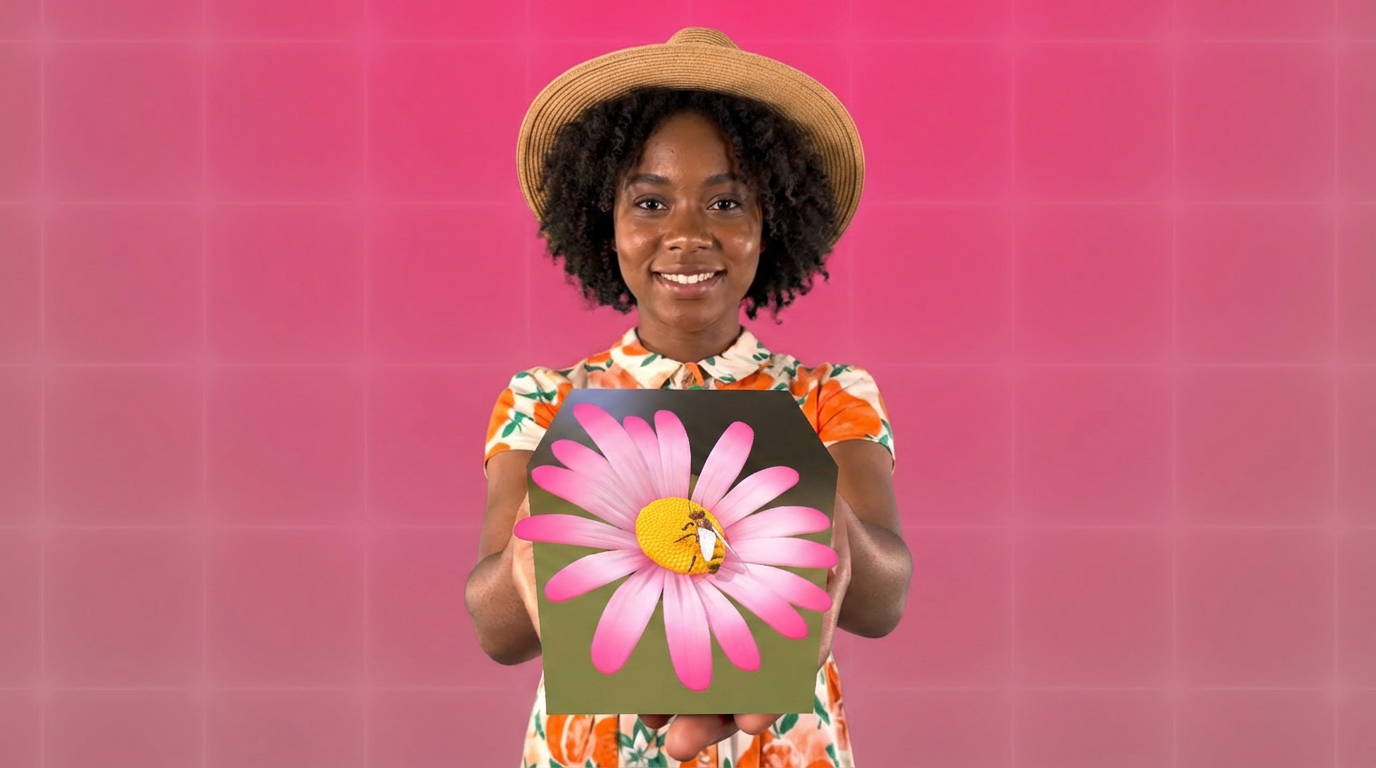
With Merge EDU and the Merge Cube, students can step directly into the world of pollinators using the Honey Bees Object Viewer collection (Code: 6RPEV9).

Instead of imagining what a bee looks like, learners can interact with detailed 3D models of a Western honey bee, rotating and scaling it to explore its body structure in ways that static images can’t provide. They can zoom in on wings, legs, and body segments, building a deeper understanding of how bees are perfectly adapted for pollination.
But the experience goes far beyond a single organism.
Understanding the Life Cycle of a Bee
One of the most powerful aspects of this collection is the ability to observe the full developmental journey of a honey bee—from egg to adult.
Students can follow each stage:
- Egg
- Larva
- Pupa
- Adult bee

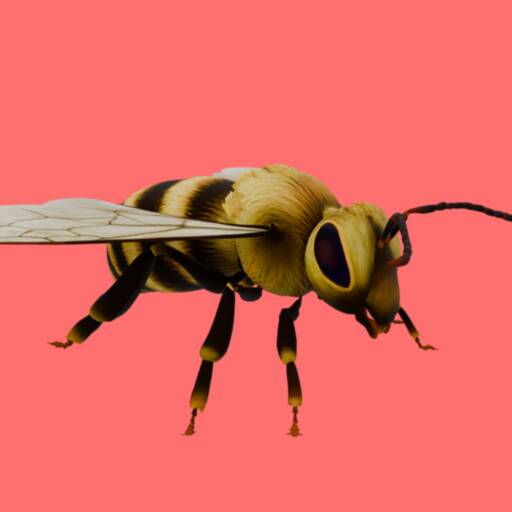

This immersive progression helps learners visualize metamorphosis in a tangible way, reinforcing key life science concepts through interaction rather than memorization.
They can also compare worker bees to a Queen bee, uncovering what makes her unique and why she plays such a critical role in the survival of the hive. These comparisons open the door to discussions about social structures, adaptation, and division of labor in ecosystems.
Exploring the Tools of Beekeeping
Beyond the bees themselves, students can investigate the environment and tools that support them.
With Object Viewer, they can examine:
- A beehive box and how it structures colony life
- A smoker and its role in safe hive management
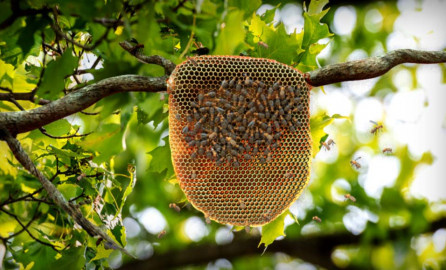
- The intricate geometry of a Honeycomb structure
- A jar of honey, connecting pollination to real-world products
These objects help bridge biology with human interaction, showing how science, agriculture, and sustainability are deeply interconnected.
From Pollination to Planetary Impact
World Bee Day is not just about insects—it’s about systems.
Bees play a vital role in biodiversity, food production, and environmental health. When students explore bees in 3D, they begin to understand the larger picture:
- How pollination supports ecosystems
- Why biodiversity matters
- What happens when key species decline
These are complex, global concepts. But when students can hold and explore the subject matter, those ideas become more immediate, more personal, and more meaningful.
Inspiring Curiosity Through Immersion
There’s a difference between telling students that bees are important and allowing them to discover why for themselves.
With Merge EDU, learning becomes active. Students ask questions. They explore. They make connections. And in doing so, they develop a deeper appreciation for the natural world and their place within it.
Explore the Honey Bees collection in Object Viewer (Code: 6RPEV9) and give students a hands-on look at one of the smallest—and most essential—forces shaping our planet.