Ambassador Spotlight: From Smartphone to Solar System — How Simona Ghenea Uses Merge Cube to Transform STEM Learning
What happens when a familiar object becomes a portal to scientific discovery?
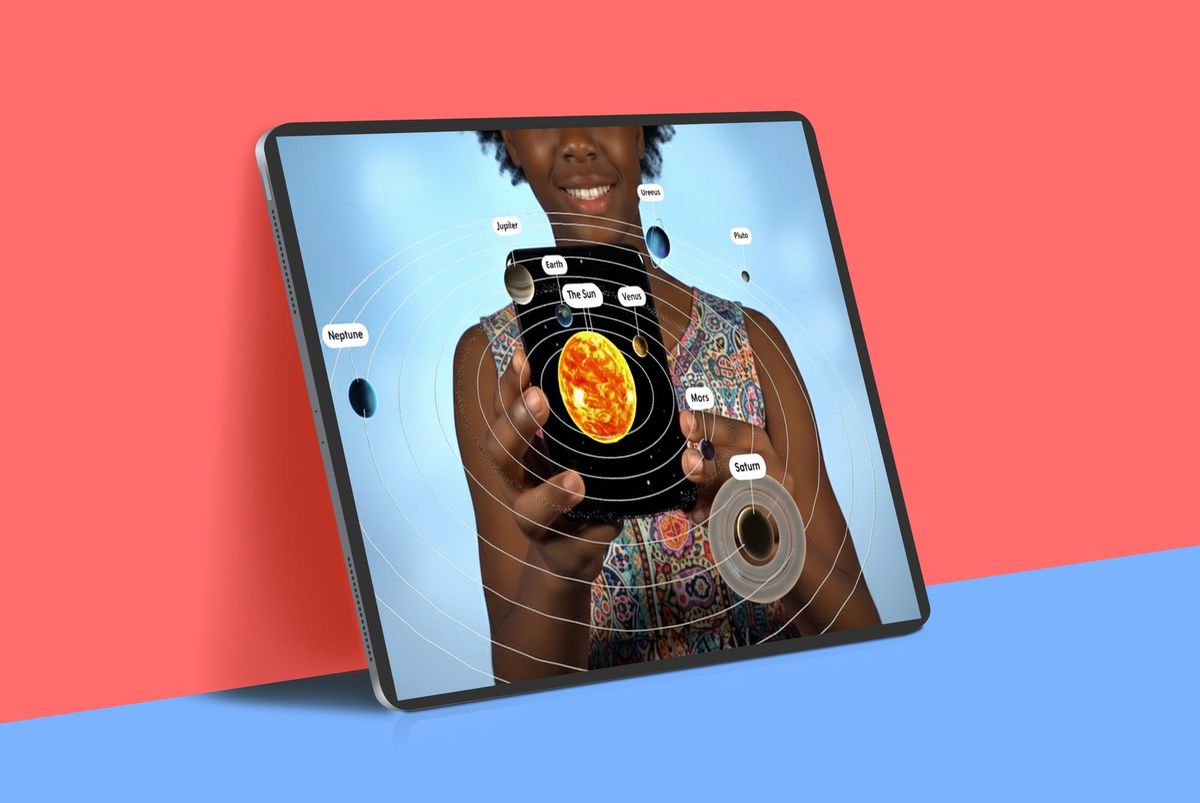
For Merge Ambassador Simona Ghenea, an innovative educator from Romania, that transformation began with a powerful metaphor. In her professional work, she described the smartphone as a “kaleidoscope in your pocket” — a device capable of opening multiple perspectives when used intentionally in the classroom. Rather than banning or limiting technology, she explored how it could become a meaningful learning tool.
But when Simona introduced the Merge Cube into her STEM lessons, that kaleidoscope expanded into something really exciting.
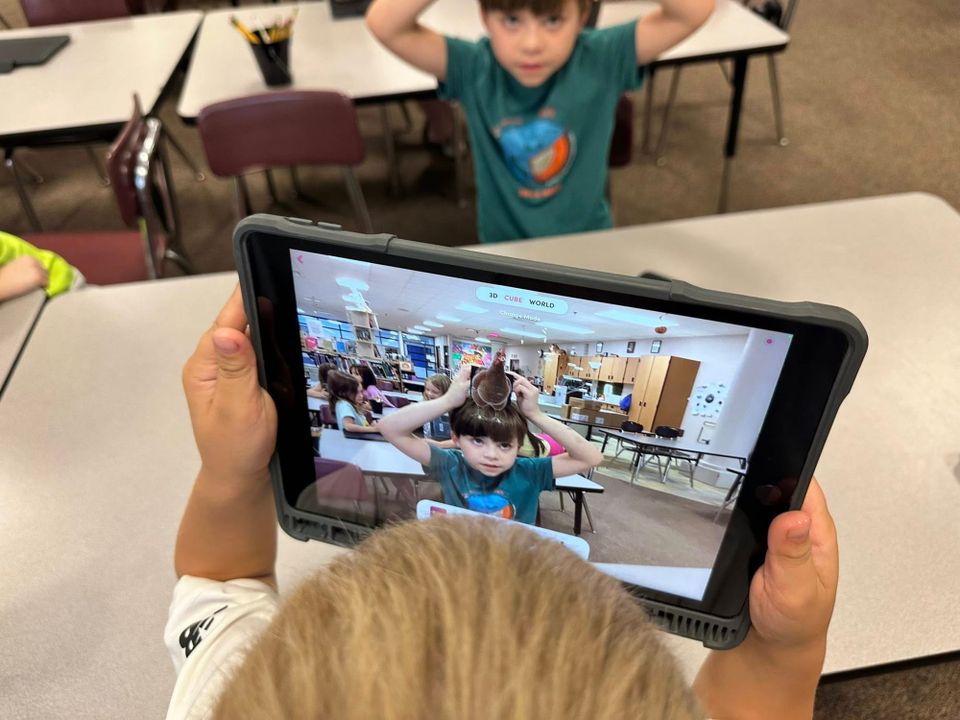
Students were no longer just looking through a screen at science. They were holding it in their hands.
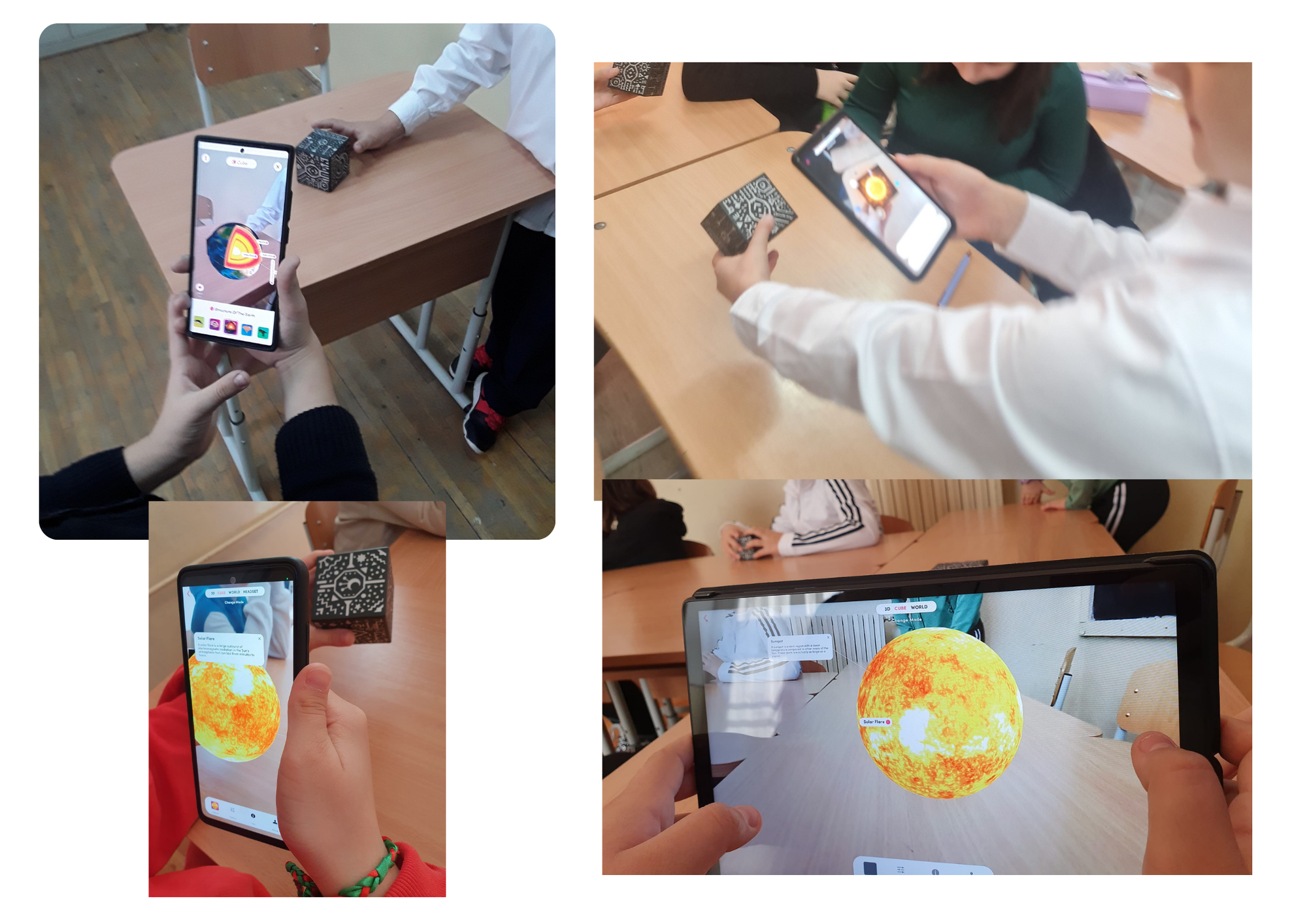
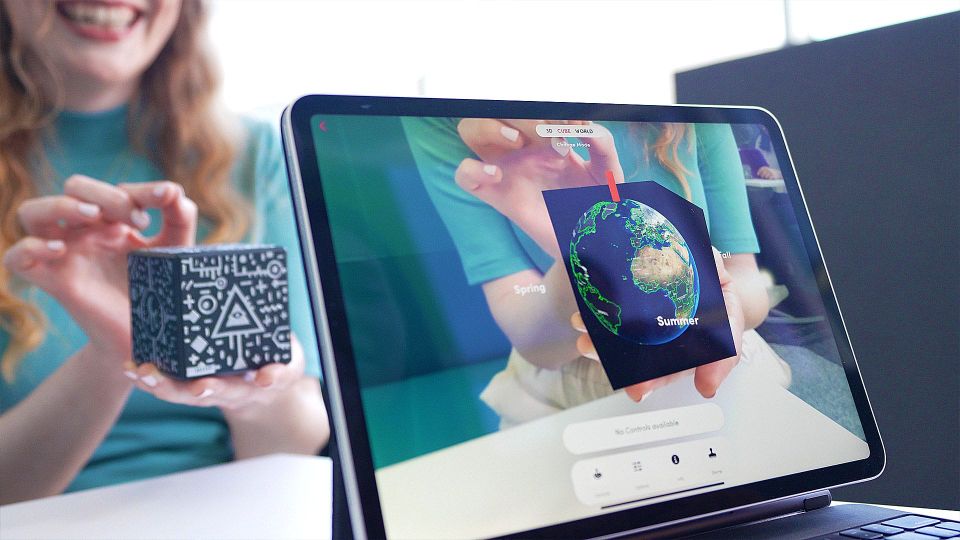
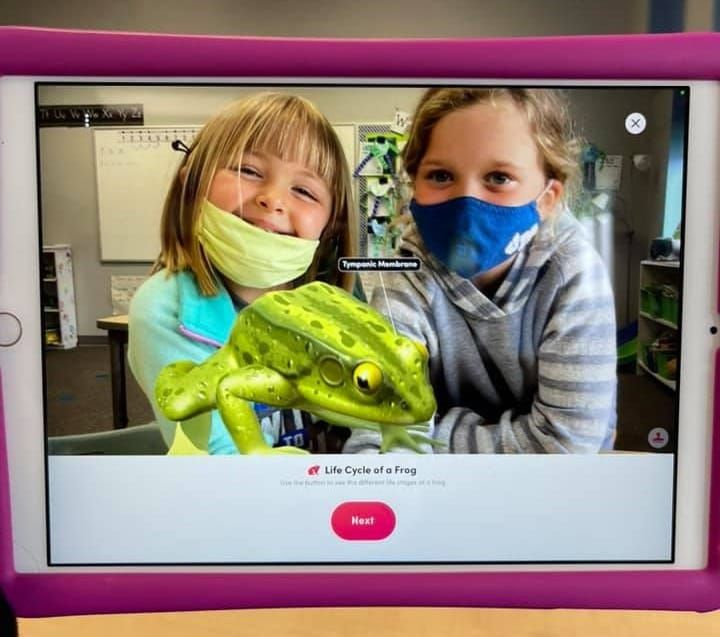
At first glance, the Merge Cube appears simple — a soft foam cube small enough to fit comfortably in a student’s palm. Yet when paired with Merge’s hands-on augmented reality experiences, it transforms into a dynamic visualization tool. Cells rotate. Ecosystems expand. Galaxies hover. Planets orbit. Abstract concepts take shape in three dimensions.
As Simona explains, “When students hold the Merge Cube, they are no longer passive viewers of 2D images — they manipulate and rotate 3D models of cells, planets, or ecosystems right in their hands.”
That shift — from viewing to investigating — is where real engagement begins.
Simona saw this most clearly during a Solar System lesson. Traditionally, students encounter space through flattened diagrams in textbooks. Planets appear evenly spaced.The vastness of the cosmos becomes compressed into neat, manageable circles.
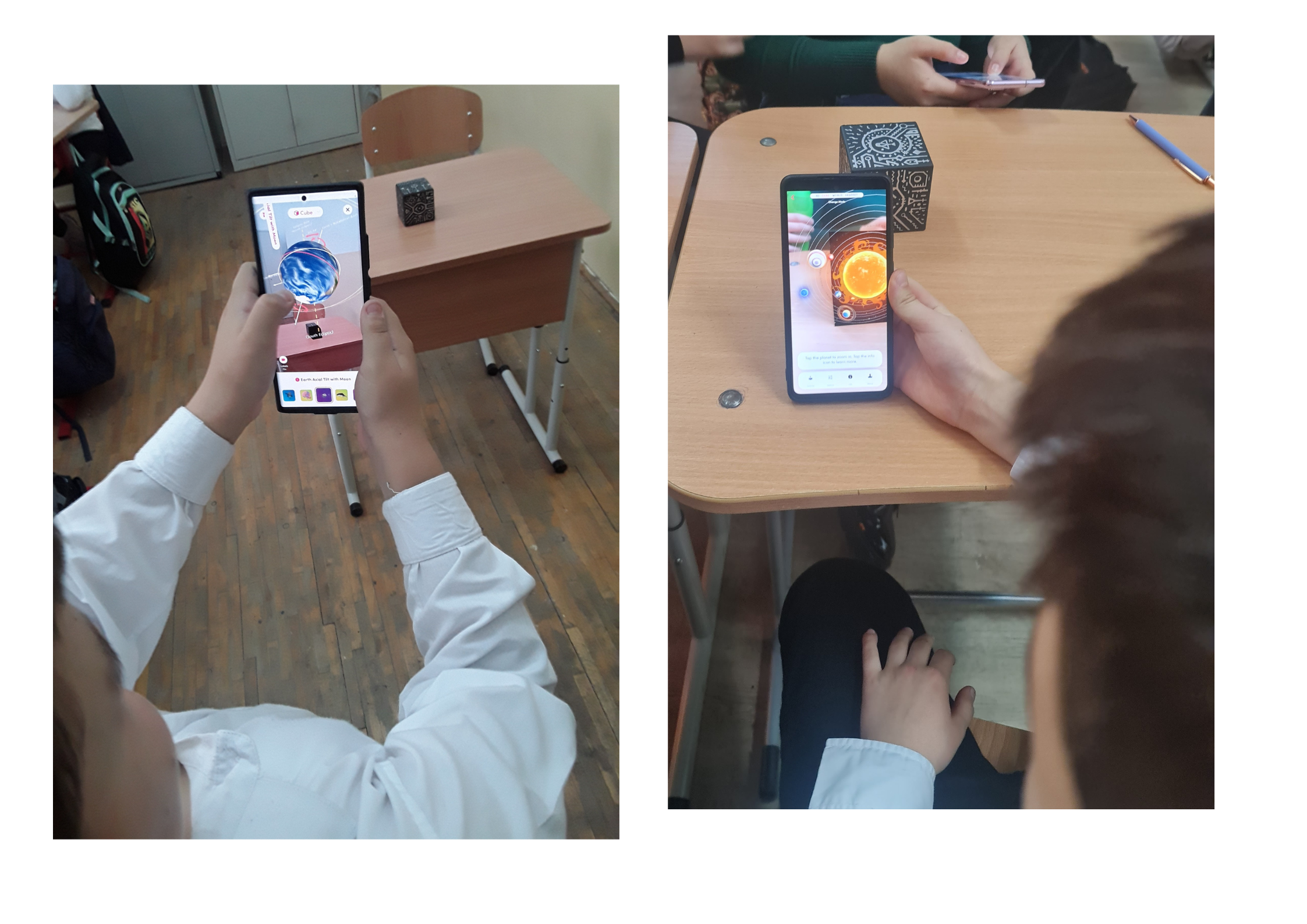
With Merge Explorer and the Merge Cube, everything changed. Students rotated the Cube to explore interactive 3D models of the Sun, planets, and moon. They zoomed outward to see the Solar System as a whole, then zoomed inward to inspect Saturn’s rings or the rugged surface of Mars. When they compared Earth next to Jupiter in true scale, the difference was striking.
Then came the question that shifted the lesson entirely: “If Earth looks so small next to Jupiter, how can it still support life?”
That moment sparked a discussion about gravity, atmosphere, planetary composition, and the delicate balance required for life — a conversation that extended far beyond the original lesson objective. Students were no longer memorizing planetary facts. They were asking “why” and “what if.”
And those questions are the foundation of scientific thinking.
For Simona, this experience reinforced something she had long believed: when technology builds a bridge between the abstract and the tangible, student engagement deepens. Concepts that once felt distant — the scale of the Solar System, the structure of a cell, the complexity of ecosystems — become accessible when students can rotate, enlarge, and explore them in 3D.
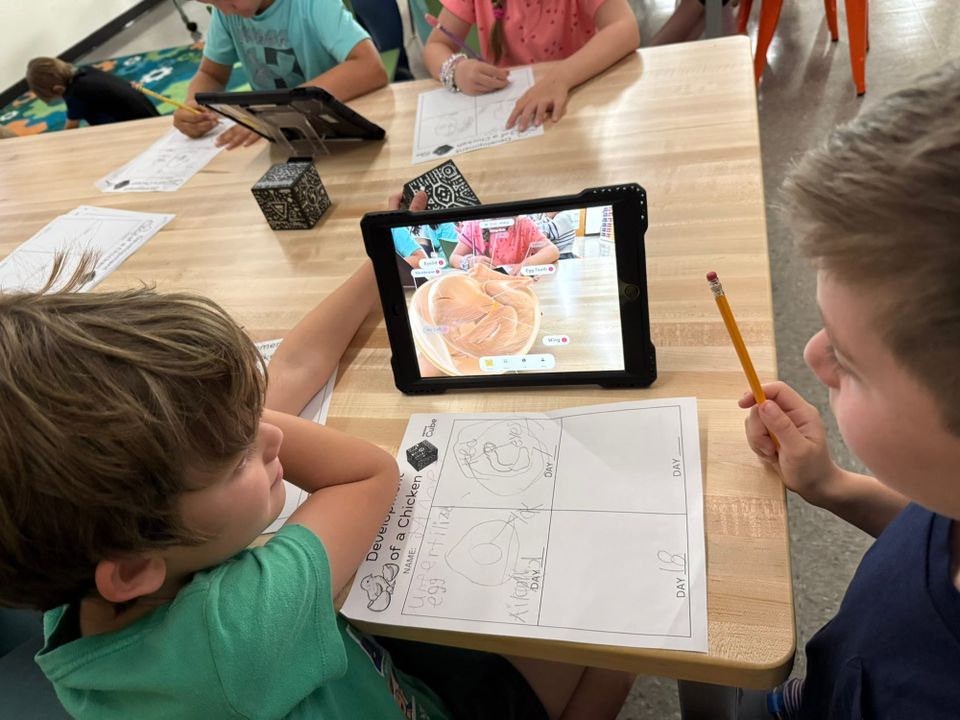
The Merge Cube provides a multisensory learning experience, engaging visual, kinesthetic, and tactile senses simultaneously. Students stay focused longer. They collaborate naturally. They explain their reasoning aloud while turning the Cube toward a classmate. Science becomes shared exploration rather than isolated screen time.
That collaboration extends beyond her classroom walls. Through eTwinning projects, Simona’s students have used Merge EDU as a bridge for international dialogue. They share screenshots and recordings of their discoveries with partner schools across Europe, compare findings, and co-create learning activities. The Merge Cube becomes not just a visualization tool, but a platform for global teamwork.
 Merge EDU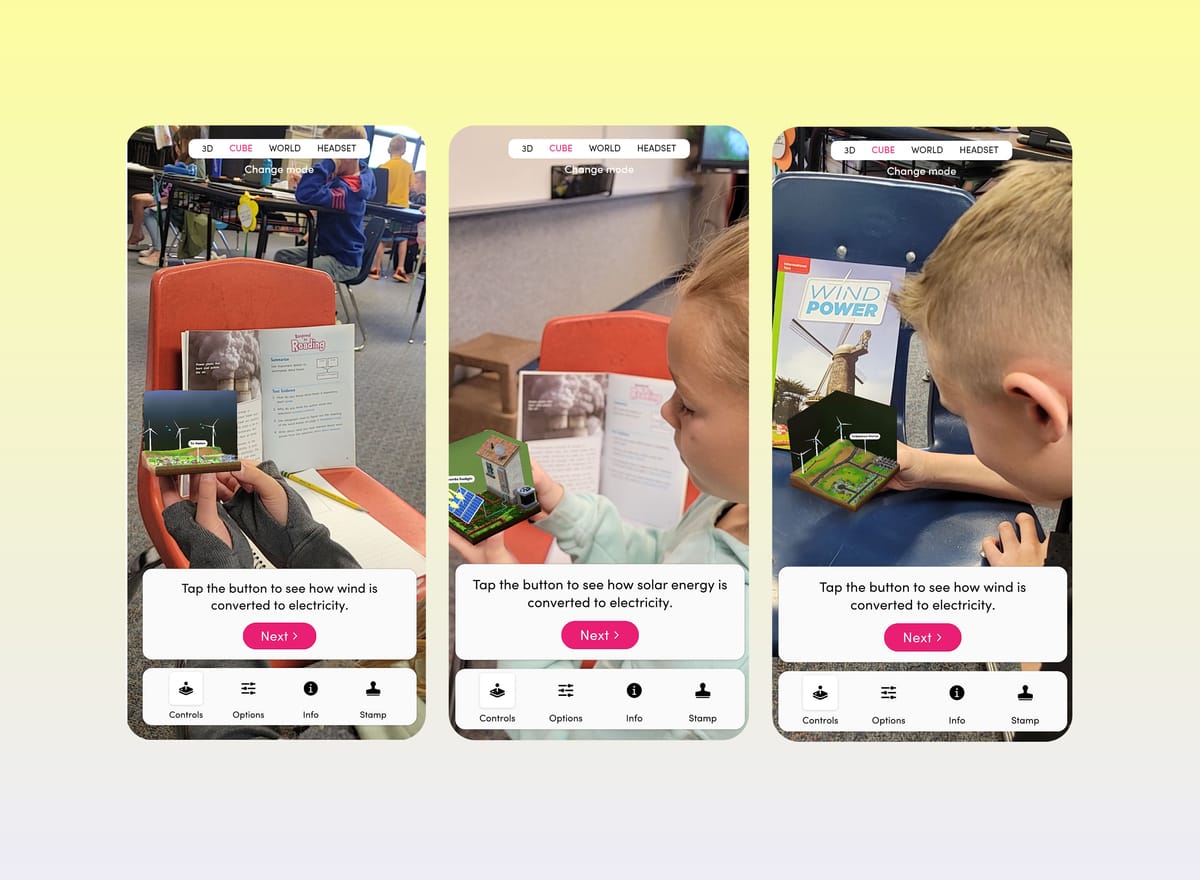
Simona’s impact reaches even further. Through her tutorial on the European School Education Platform, “Rethinking Classroom Smartphone Use: The Kaleidoscope in Your Pocket,” she shares practical and ethical strategies for transforming everyday technology into powerful educational tools. Within that work, she highlights how immersive technologies like the Merge Cube turn abstract STEM concepts into collaborative, hands-on investigations.
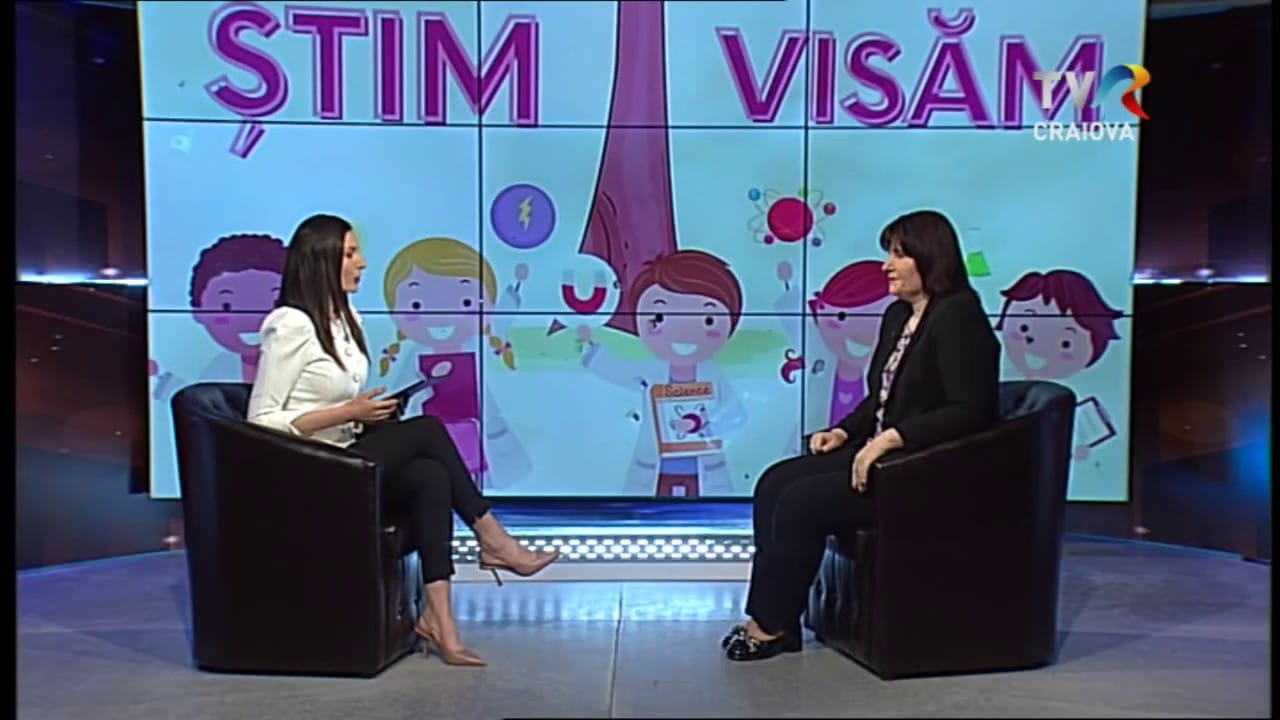
She has also led a 12-episode television campaign on TVR Craiova dedicated to the role of technology in education, bringing public attention to innovative classroom practices and demonstrating how augmented reality can make science engaging and accessible.
Her work is a reminder that innovation in education is not defined by geography. It is defined by mindset.
At its heart, Simona’s story is about perspective. A smartphone can become a kaleidoscope of learning. A foam cube can become a solar system. A classroom in Romania can become part of a global conversation about the future of STEM education.
Merge EDU engages students in STEM and science with digital 3D objects and simulations they can touch, hold, and interact with. But it is educators like Simona Ghenea who bring those tools to life — who turn curiosity into inquiry and technology into transformation.
 Merge EDU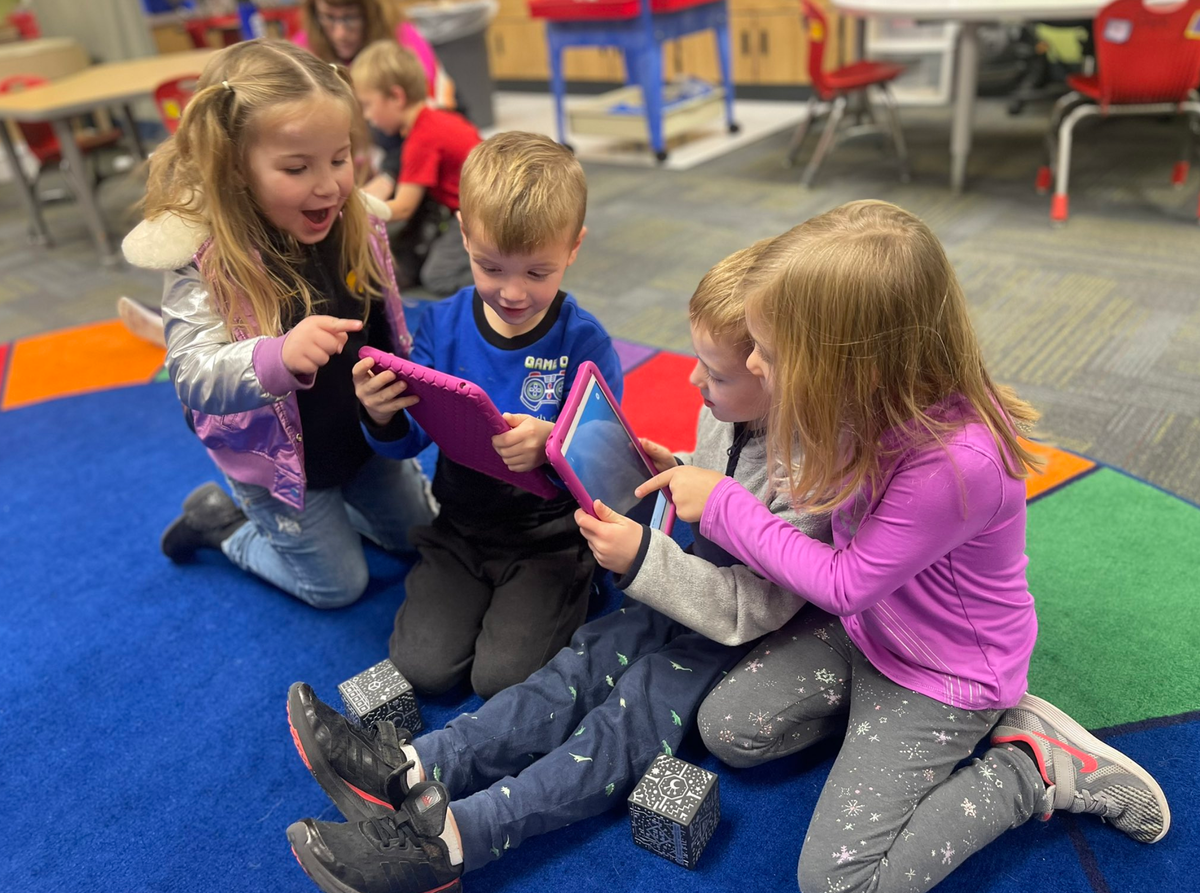
When students can hold a planet, rotate a cell, or inspect a 3D model from every angle, science stops being distant. It becomes immediate and interactive.
And sometimes, all it takes is placing the universe in the palm of their hand.