World Frog Day: Leap into Frog Science with Augmented Reality
March 20 is World Frog Day—a global celebration of one of the most fascinating (and important!) amphibians on Earth.
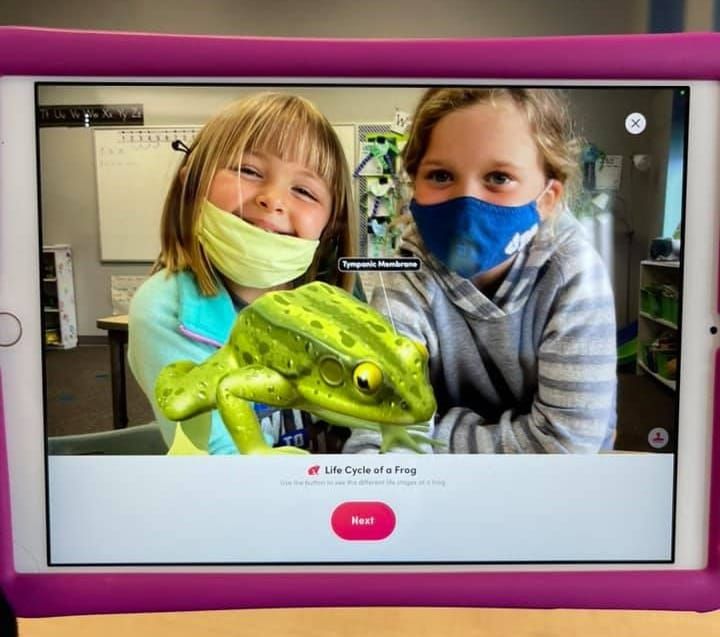
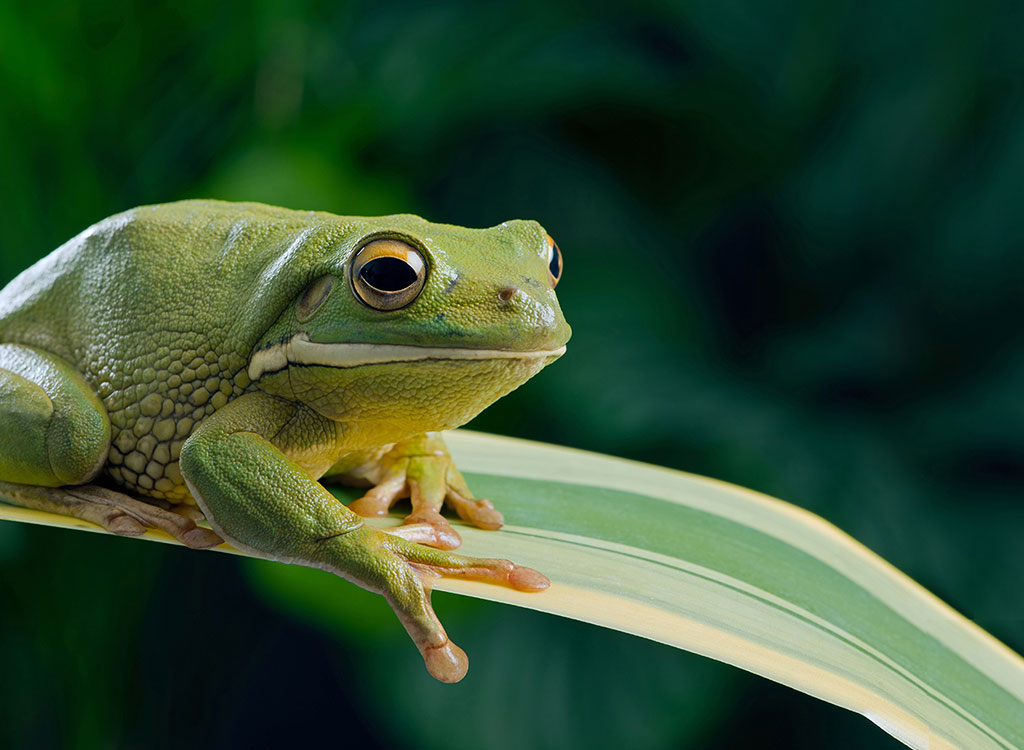
Frogs are more than just jumpers with sticky tongues. They are bioindicators, meaning their health reflects the health of the environment. When frog populations decline, it often signals larger ecosystem problems like pollution or habitat loss.
That makes World Frog Day the perfect opportunity to leap into hands-on life science learning.
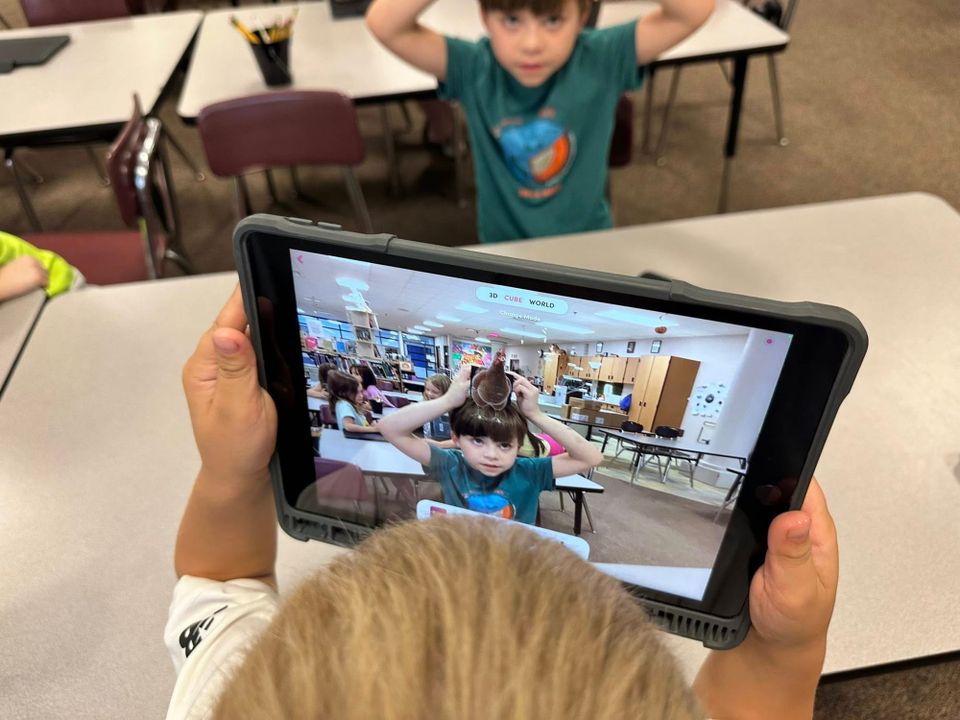
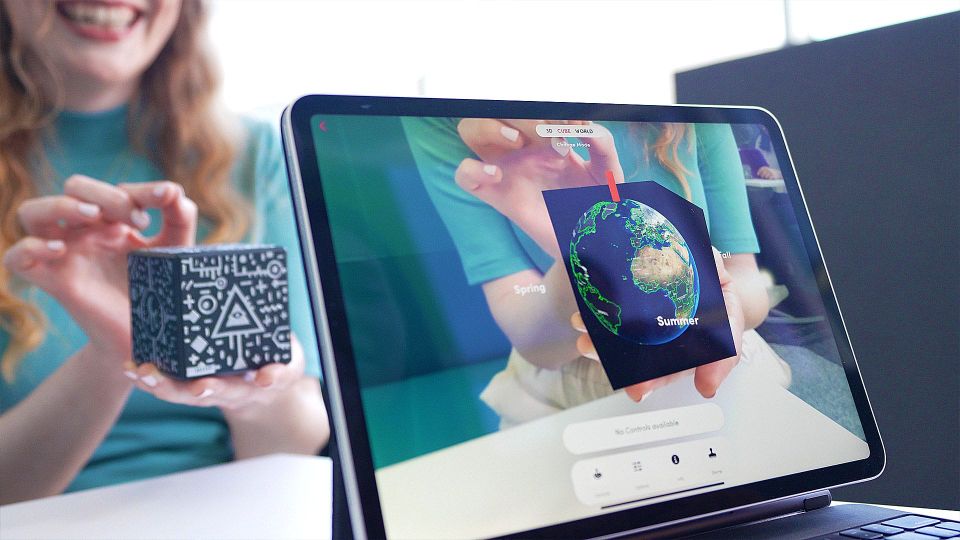
And with Merge EDU, students don’t just read about frogs. They hold them in their hands!
 Merge EDU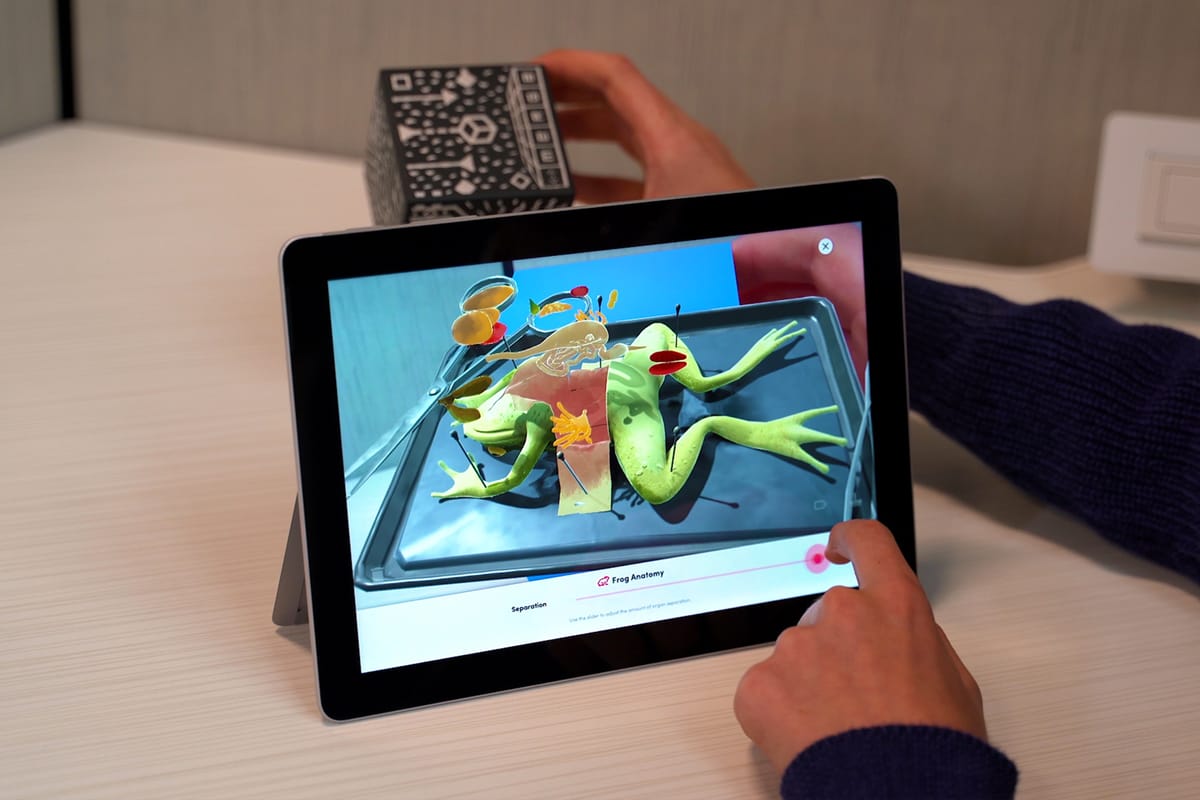
🧪 Explore Frog Anatomy in 3D
Traditional frog dissection has long been part of biology classrooms. But it comes with challenges: ethical concerns, cost, storage, smell, and limited access for students.
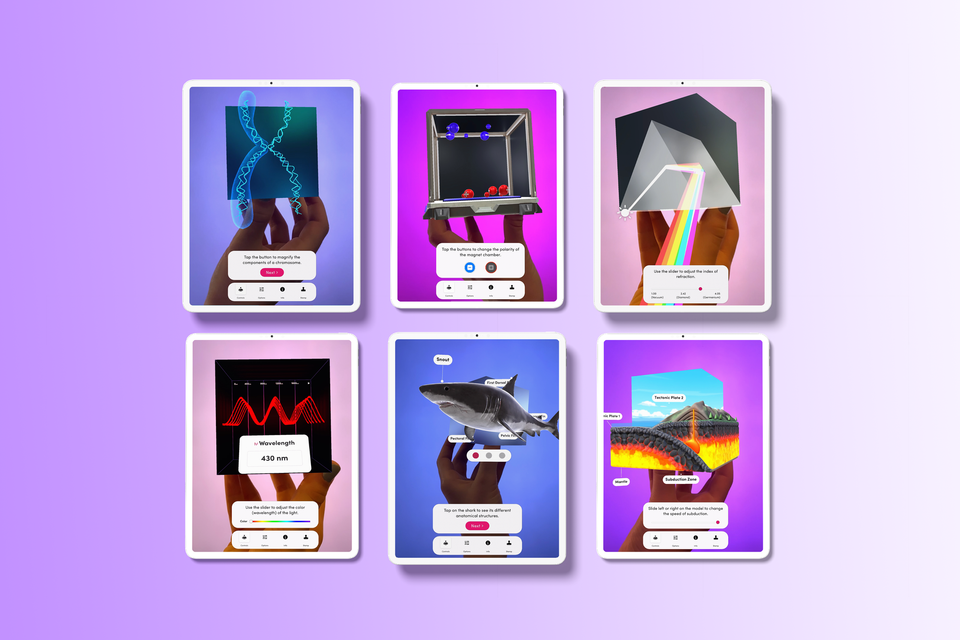
With Merge Explorer, students can conduct a humane virtual frog dissection in augmented reality.
They can:
• Rotate a 3D frog
• Tap to separate internal organs
• Examine the heart, lungs, liver, and stomach
• Explore how body systems work together
Instead of crowding around a single specimen, every student gets a front-row, hands-on experience. They can zoom in, slow down, and truly observe structure and function—building deeper comprehension without the mess.
🐣 Hold the Frog Life Cycle in Your Hands
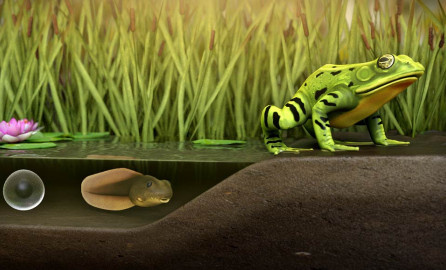
Frogs undergo one of nature’s most dramatic transformations: metamorphosis.
Using Merge Object Viewer, students can explore each stage of the frog life cycle in detailed 3D:
• Eggs
• Embryo
• Tadpole
• Tadpole with legs
• Froglet
• Adult frog
When students physically rotate and inspect each stage on the Merge Cube, they can more easily understand how structure changes to support survival—gills to lungs, tail to legs, aquatic to amphibious life.
It’s one thing to memorize a diagram.
It’s another thing entirely to hold metamorphosis in your hand.
🌎 Frog Habitats and Ecosystems
Frogs live in freshwater environments like ponds, lakes, rivers, and wetlands. Because their skin must stay moist, they are especially sensitive to environmental changes.
This makes them ideal to include for lessons about:
• Ecosystems
• Water quality
• Food webs
• Human environmental impact
Have students investigate how habitat changes affect frog populations. Why do frogs thrive in rainforests? What happens when wetlands disappear? How does pollution impact amphibians?
 Merge EDU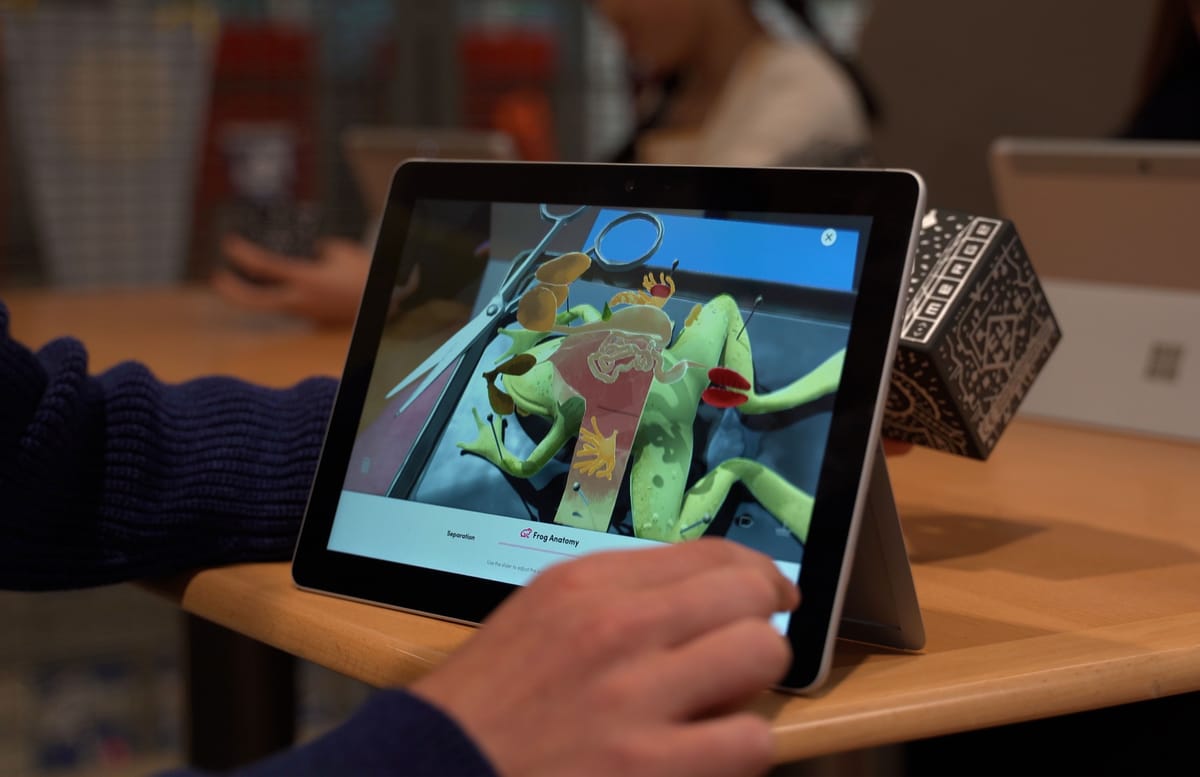
World Frog Day becomes more than a celebration—it becomes a conversation about environmental responsibility.
🎥 Extend the Learning
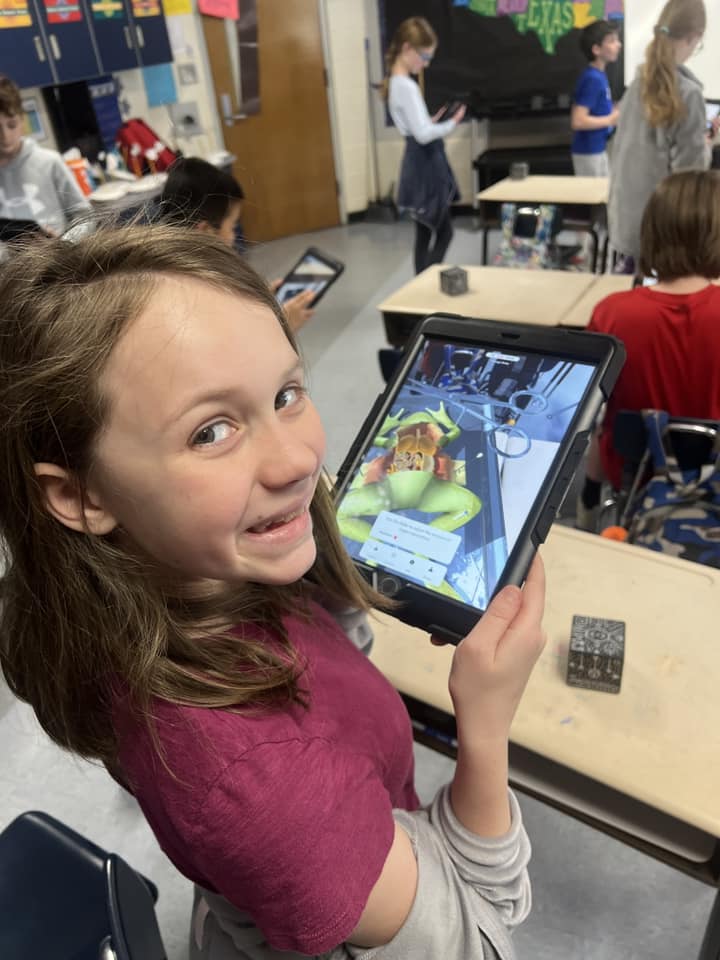
Encourage students to use the built-in screen recording feature in Merge EDU apps to create short “Frog Facts” videos.
They might explain:
• How frog anatomy supports both land and aquatic life
• Why frogs are bioindicators
• How metamorphosis works
• The differences between amphibians and reptiles
Verbal explanation strengthens scientific communication skills and gives teachers valuable formative assessment insights.

🔬 Why AR Frog Study Changes Everything
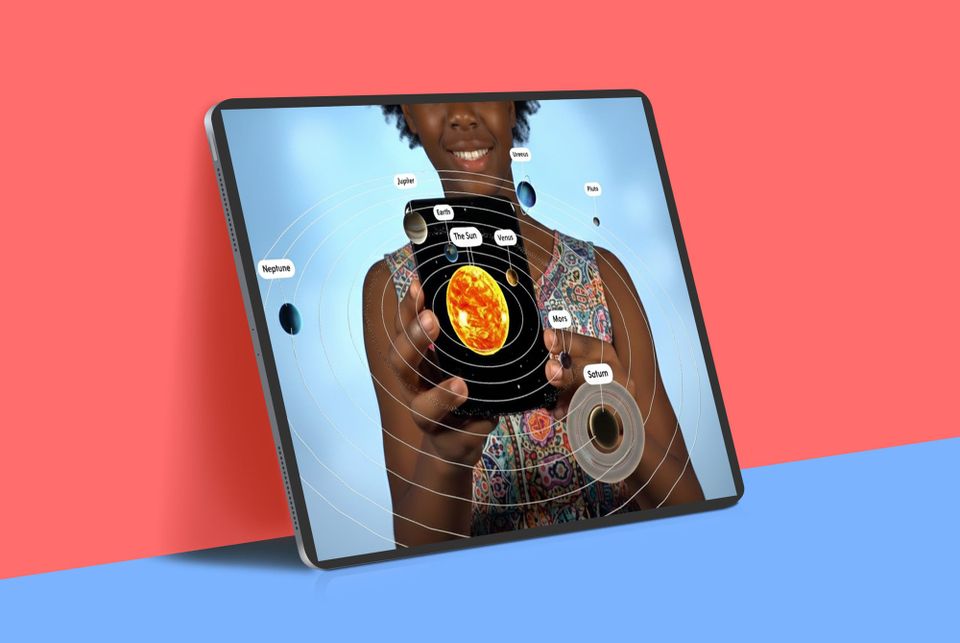
Augmented reality transforms frog lessons from passive observation to active exploration.
Instead of flipping pages in a textbook, students:
• Manipulate 3D models
• Investigate anatomy interactively
• Visualize internal systems
• Connect life science to environmental science
The result? Greater engagement, deeper understanding, and joyful learning.

🌱 Why It Matters
Frogs may be small, but they play a massive role in ecosystems around the world.
By giving students the opportunity to explore frogs in immersive, hands-on ways, we’re not just teaching anatomy or life cycles.
We’re building curiosity.
We’re fostering environmental awareness.
We’re helping students see the connections between organisms and their world.
This World Frog Day, let your students leap into science.
With Merge EDU, they can see, hold, and explore everything that makes frogs fascinating—without ever leaving the classroom.
Ready to hop in? Get a free trial of Merge EDU by visiting trymerge.com, and print a Merge Paper Cube at mergecube.com/paper.
Don’t forget to tag @Merge on Instagram and share your Frog Day fun with us!