Visualizing Weather in the Palm of Your Hand: Celebrate World Meteorological Day with Merge HoloGlobe
March 23 marks World Meteorological Day, a global celebration of weather, climate, and the scientists who help us understand Earth’s dynamic systems.
The day commemorates the creation of the World Meteorological Organization and highlights the essential role meteorology plays in protecting lives and supporting communities around the world.
Weather impacts everything. From agriculture and transportation to emergency preparedness and daily decision-making, meteorology shapes how we live. Yet for students, atmospheric science can feel abstract. Jet streams, pressure systems, ocean currents, and global temperature patterns are difficult to visualize on a flat map.
This is where Merge changes the forecast!
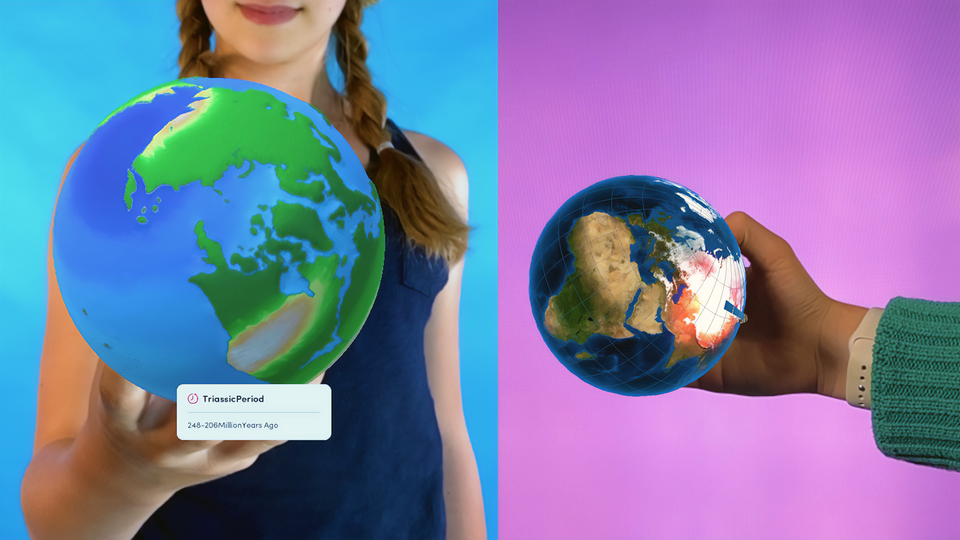
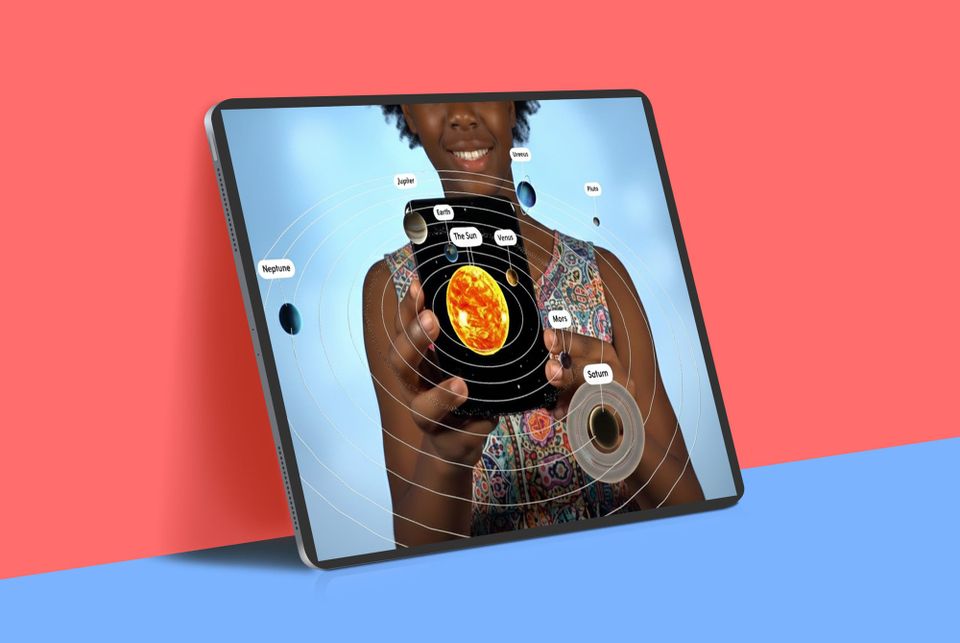
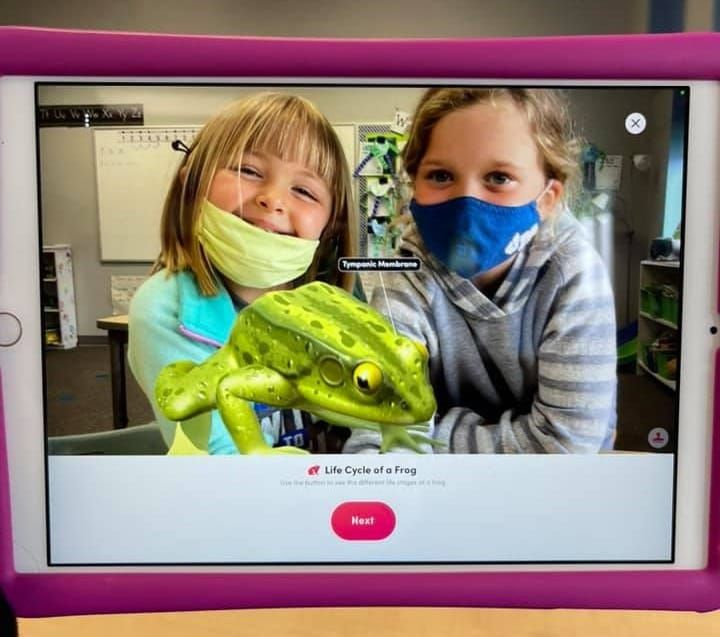
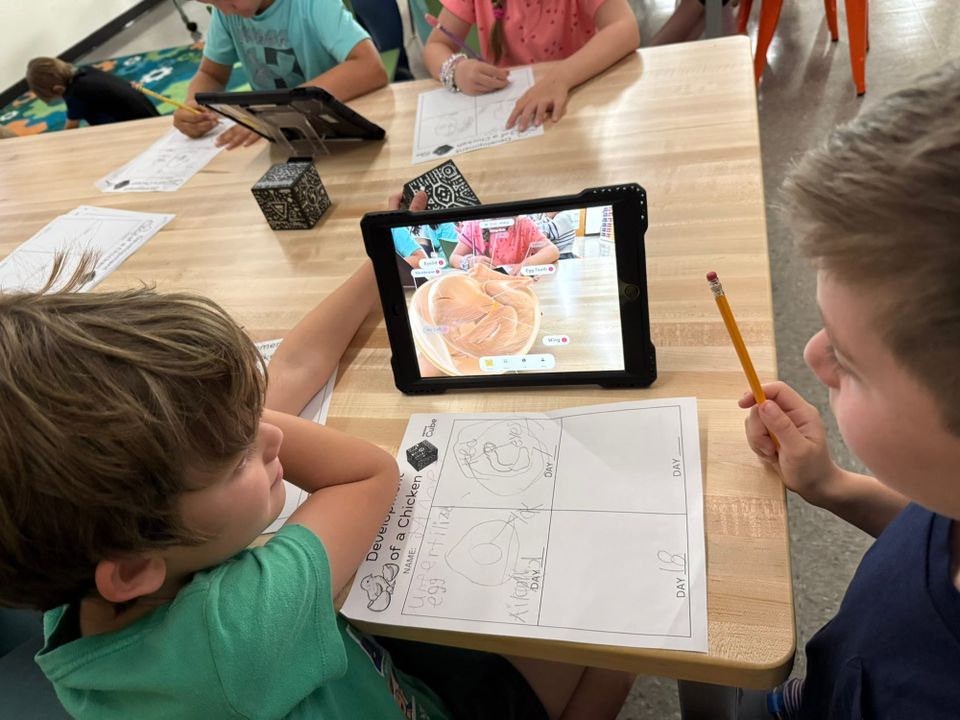
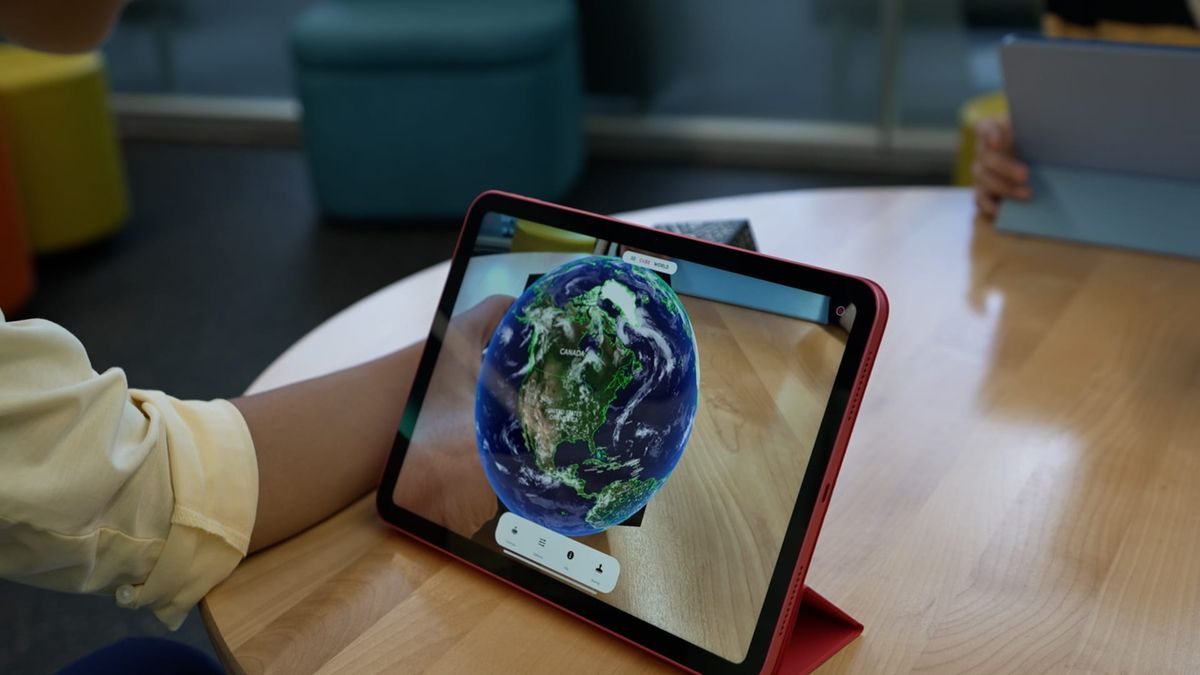
With Merge HoloGlobe, students can hold a living, data-rich Earth in the palm of their hand. Instead of looking at static images in a textbook, they can rotate a 3D globe layered with real NASA and NOAA satellite data. Cloud coverage moves across continents. Storm systems swirl over oceans. Temperature patterns stretch from pole to pole.
Weather becomes something they can explore, not just memorize.

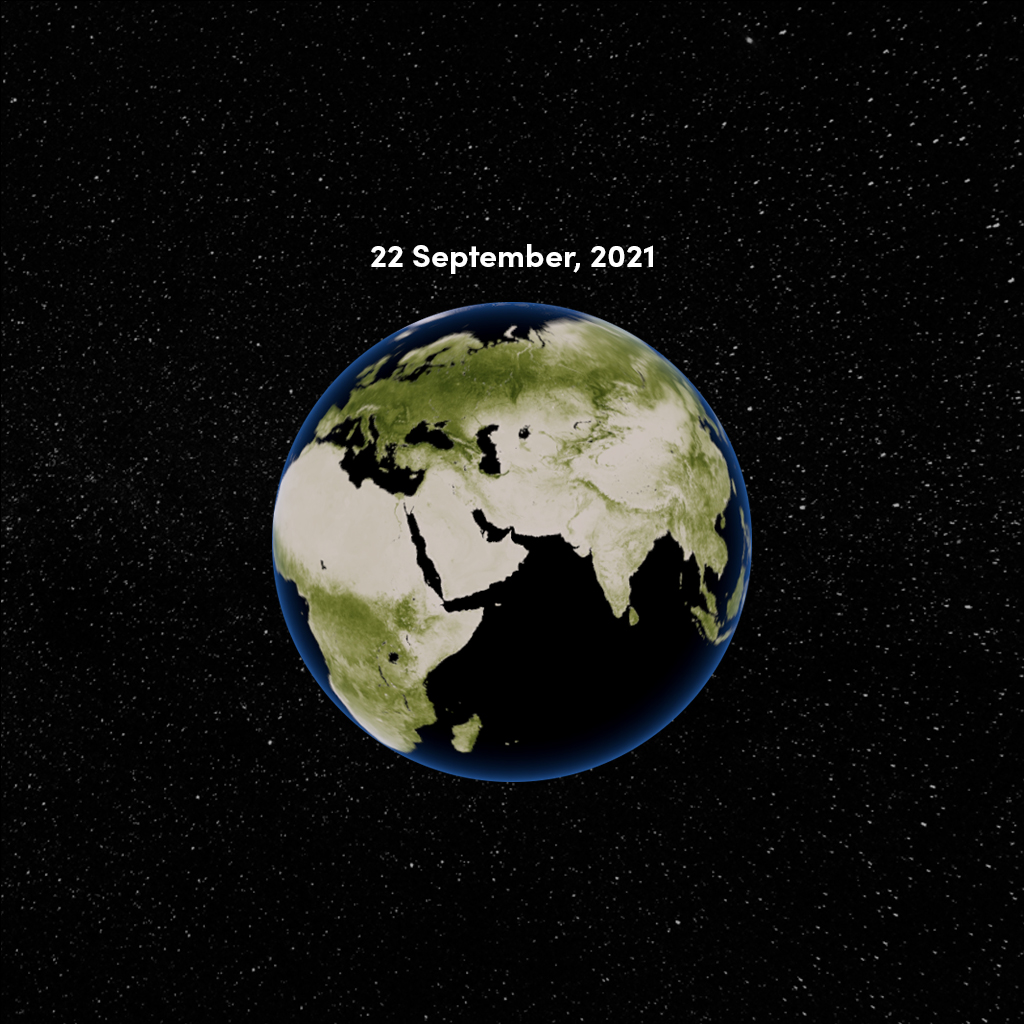

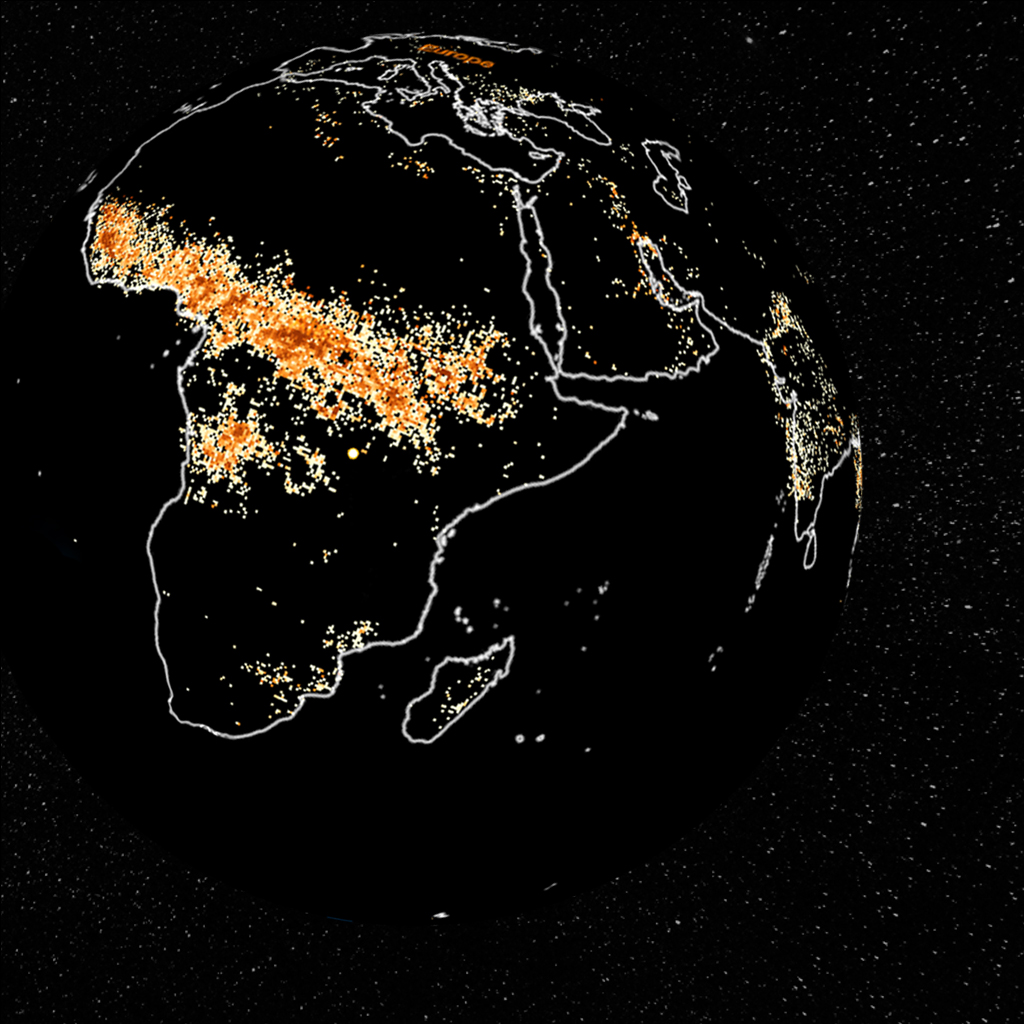

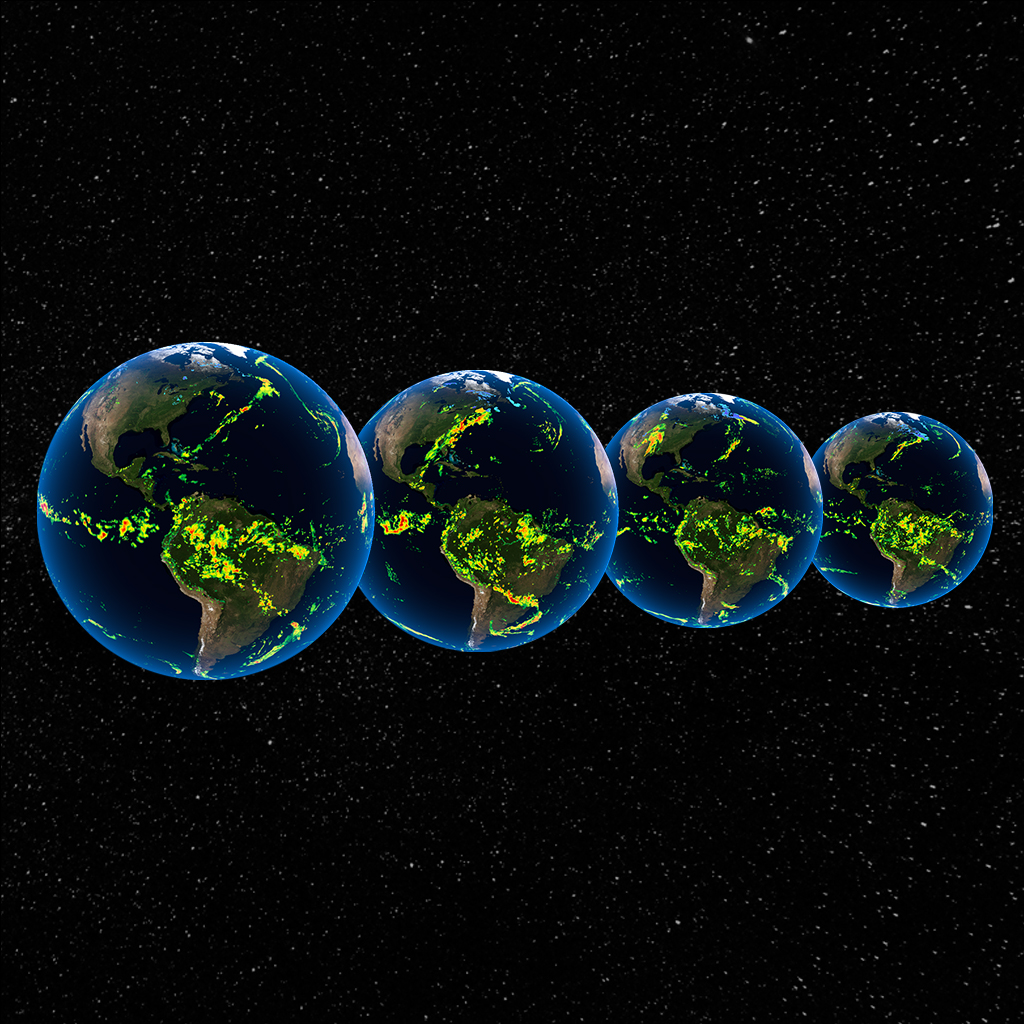
When students manipulate the globe themselves, they begin to notice patterns. They can trace how hurricanes form over warm ocean water. They can observe seasonal shifts in snowfall. They can compare rainfall distribution across regions. By physically rotating the Earth, they build spatial awareness and systems thinking—two skills essential for understanding climate and atmospheric science.
World Meteorological Day is the perfect opportunity to center a lesson around the question: How do scientists know what’s happening in our atmosphere?

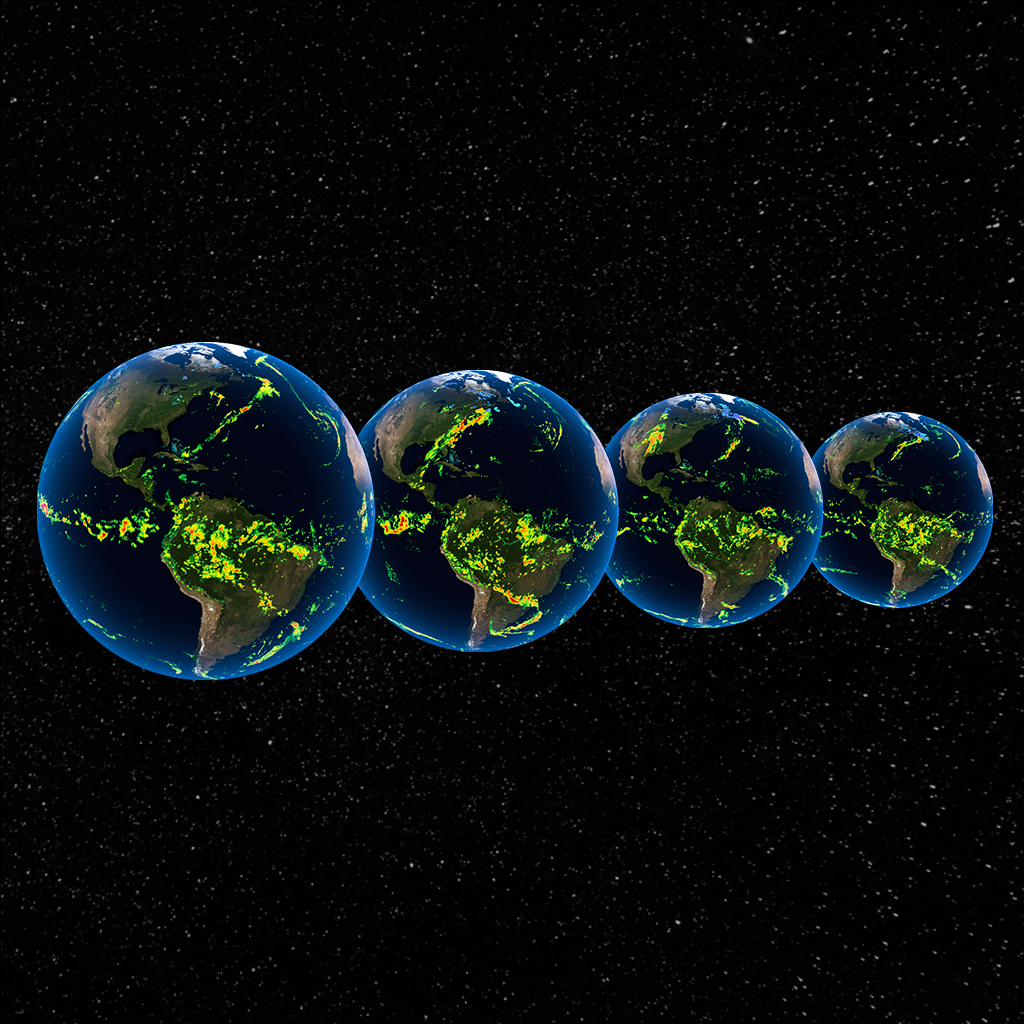

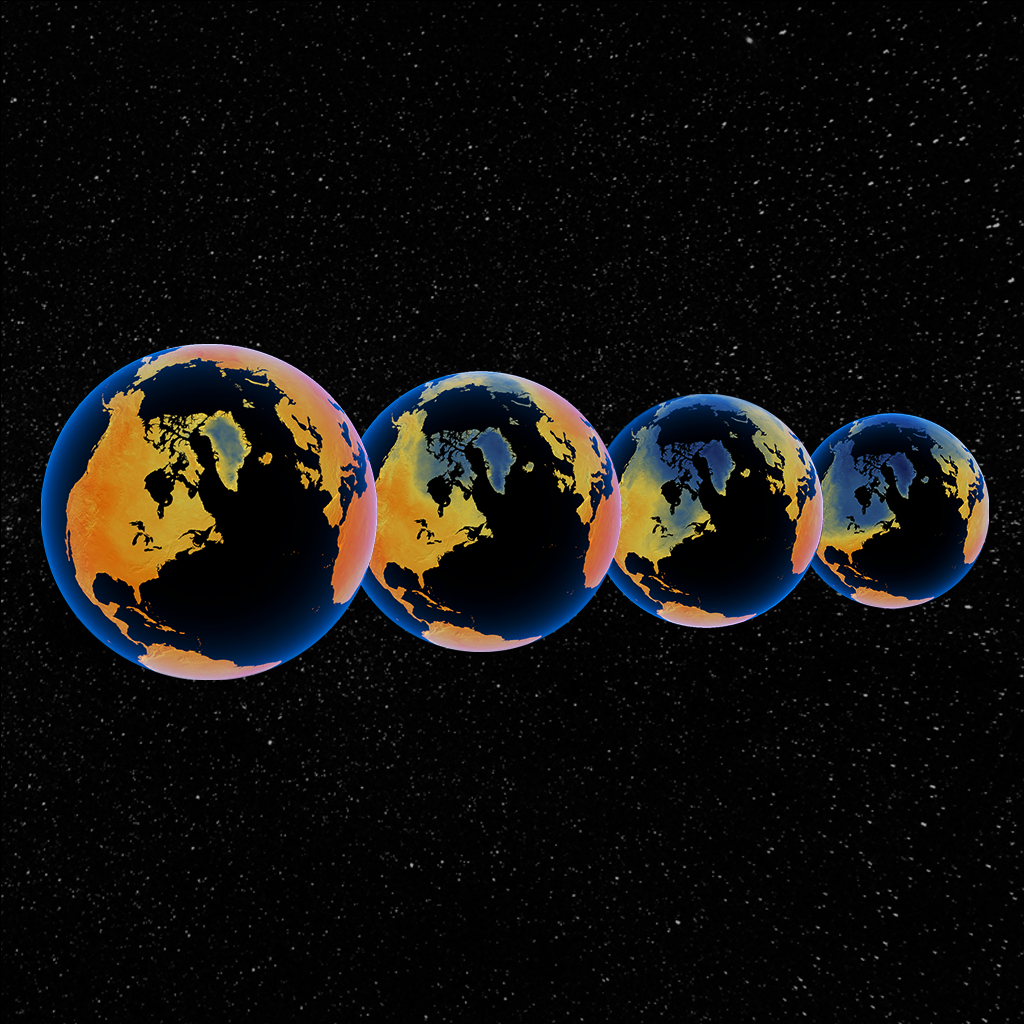

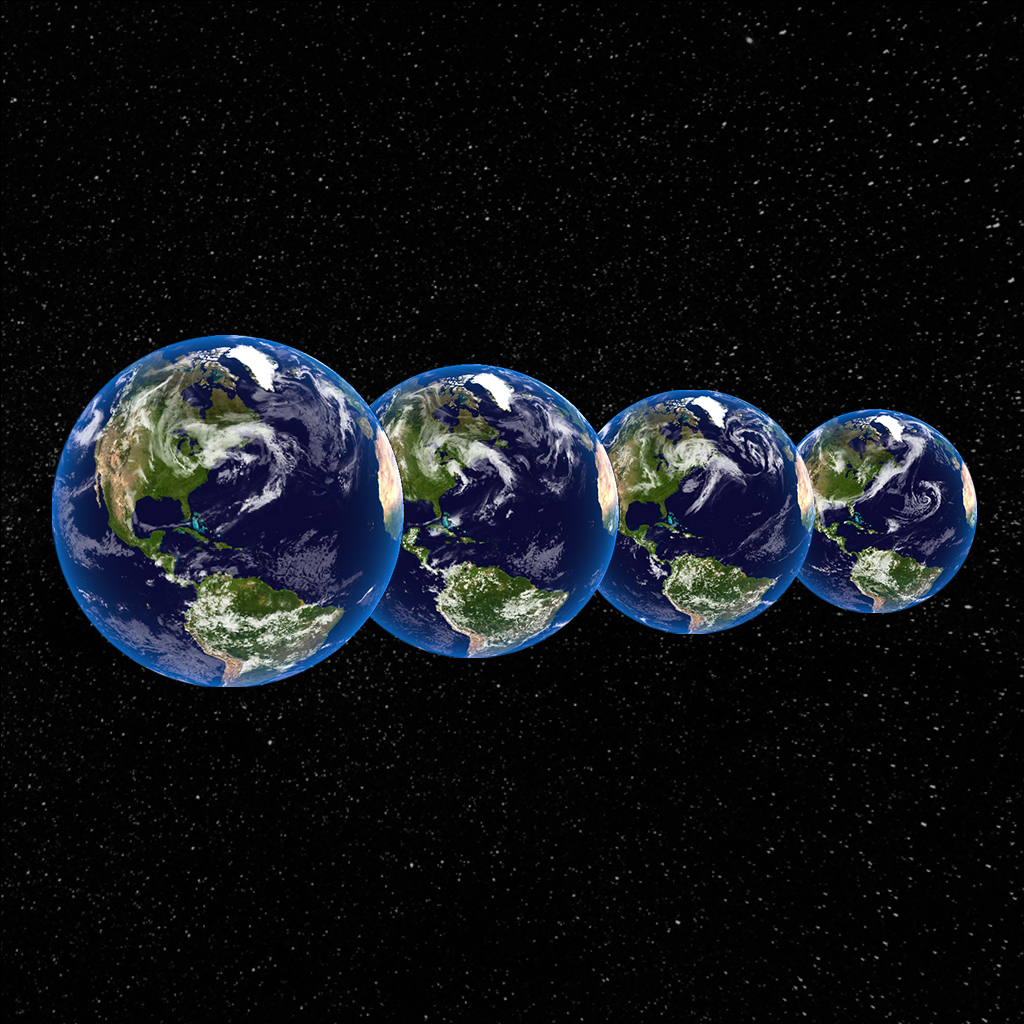
Using Merge HoloGlobe and the corresponding activity plans, students can examine real-world data visualizations that mirror what meteorologists study every day. This opens the door to rich classroom discussions about satellites, remote sensing technology, forecasting models, and climate monitoring. Students can investigate how global data collection helps predict severe weather, track wildfires, and monitor long-term climate trends.
Instead of treating weather as isolated daily events, learners begin to see Earth as an interconnected system. Ocean temperatures influence storm formation. Atmospheric circulation redistributes heat. Polar ice impacts sea levels. Every layer interacts with another.
That systems-level understanding is what makes meteorology so powerful—and so essential.
Teachers can deepen engagement by having students record short weather briefings using the built-in screen recording feature in Merge EDU apps. Ask them to analyze a visible storm system, describe rainfall patterns, or explain how temperature differences drive atmospheric movement. When students articulate what they observe, they reinforce scientific vocabulary and strengthen communication skills.
World Meteorological Day isn’t just about forecasting tomorrow’s weather. It’s about understanding how science keeps communities safe and informed. It’s about recognizing the global collaboration required to monitor Earth’s atmosphere. And it’s about inspiring the next generation of climate scientists, meteorologists, and environmental engineers.
When students can hold a globe layered with real satellite data, meteorology stops feeling distant. It becomes immediate, interactive and real.
This March 23, bring the atmosphere into your classroom.
Open Merge HoloGlobe and let your students explore Earth’s weather systems in immersive 3D.
Start your free trial of Merge EDU at trymerge.com and print a Merge Paper Cube at mergecube.com/paper.
Don’t forget to tag @Merge on Instagram and share how your students are celebrating World Meteorological Day with hands-on augmented reality.