Spring Chickens! Exploring the Development of a Chicken with Augmented Reality
Have you ever wondered what takes place inside an egg during the 21 days it takes for a chick to hatch?
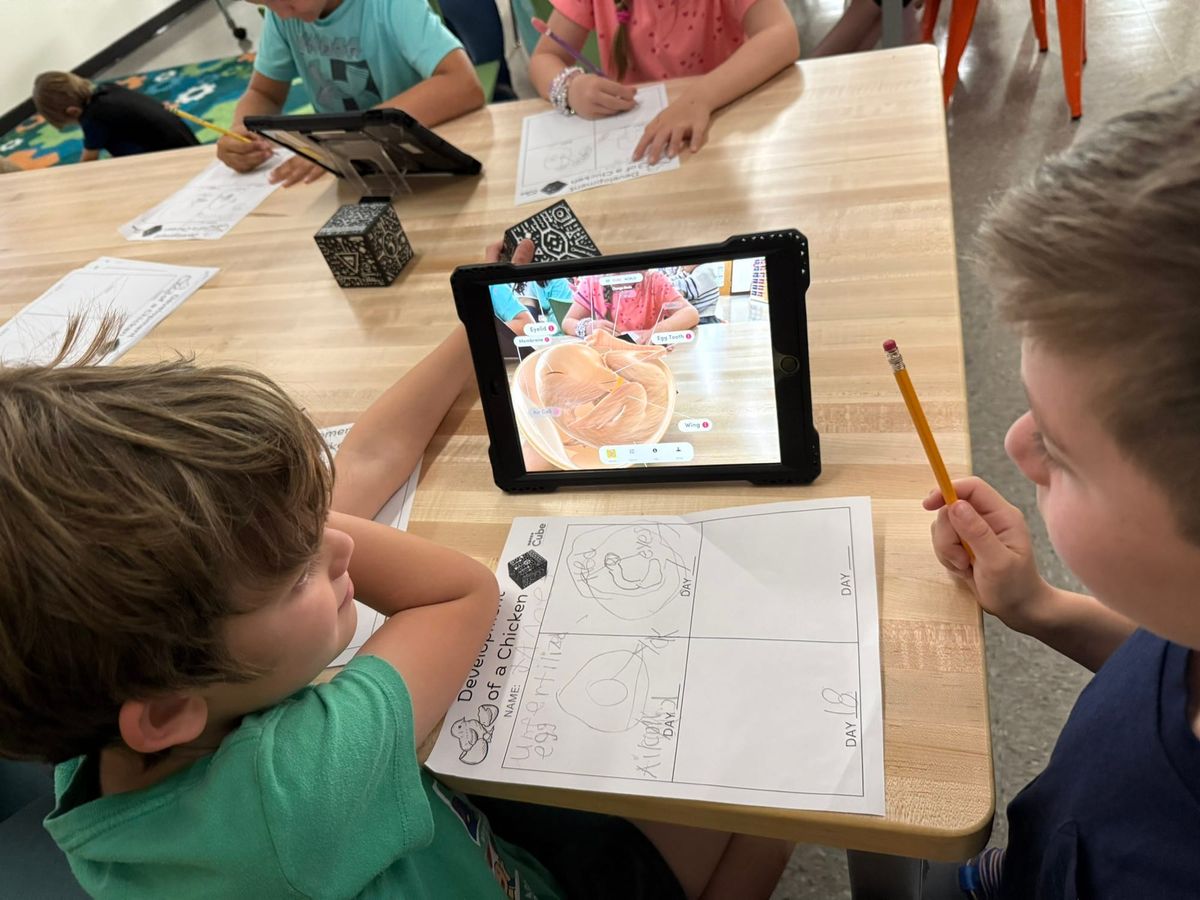
The journey from egg to hatchling is full of amazing changes that can be hard to grasp without seeing them up close.
For many students, understanding how a chick develops can seem a bit abstract. Textbook diagrams and short animations give an idea, but they don’t capture the full experience of how a chick grows inside an eggshell. That’s where Merge EDU comes in, turning learning into an interactive discovery.
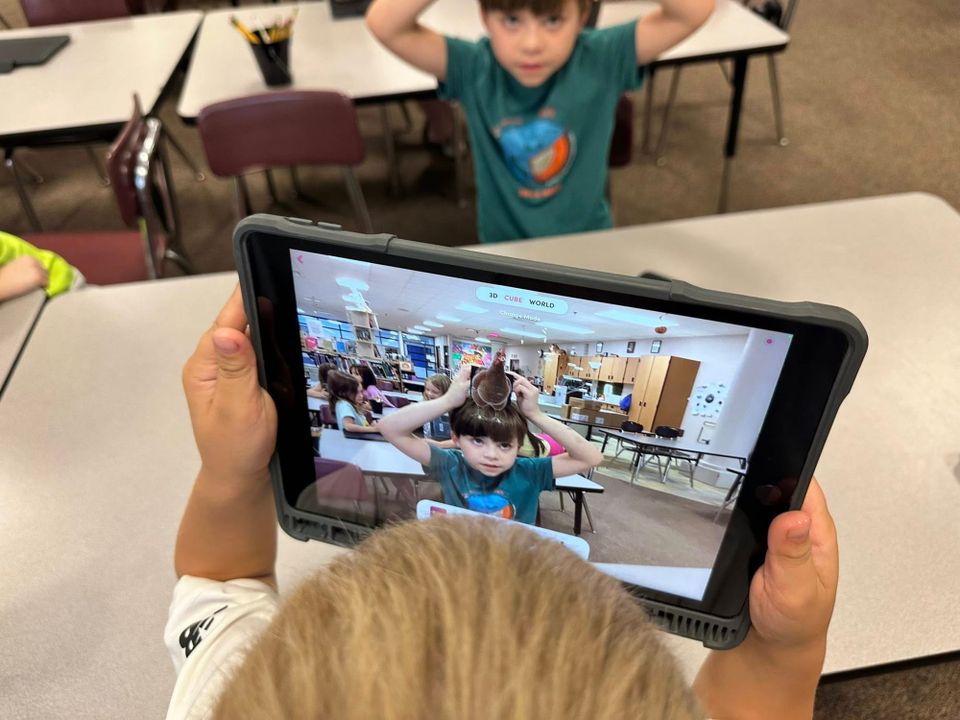
Best transition to Easter break ever was getting a visit from Mrs. Koehler and her chickies after checking out chicken development cycles on our @mergeedu cubes! @CFELISD pic.twitter.com/dbYzpxWkU4
— Holly Prine (@MrsPrine_CFE) March 29, 2024
Exploring the Chick’s Growth
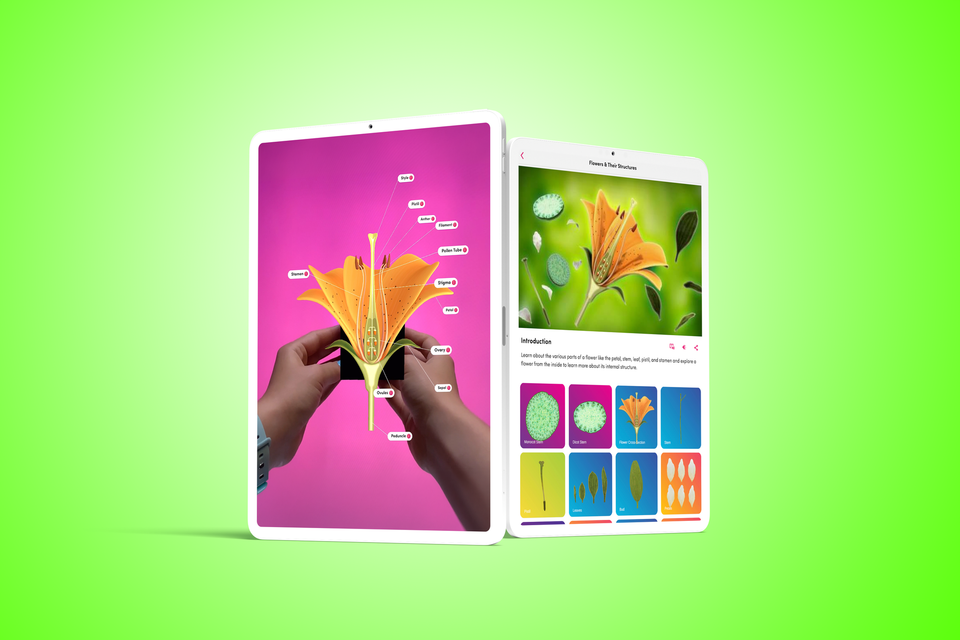
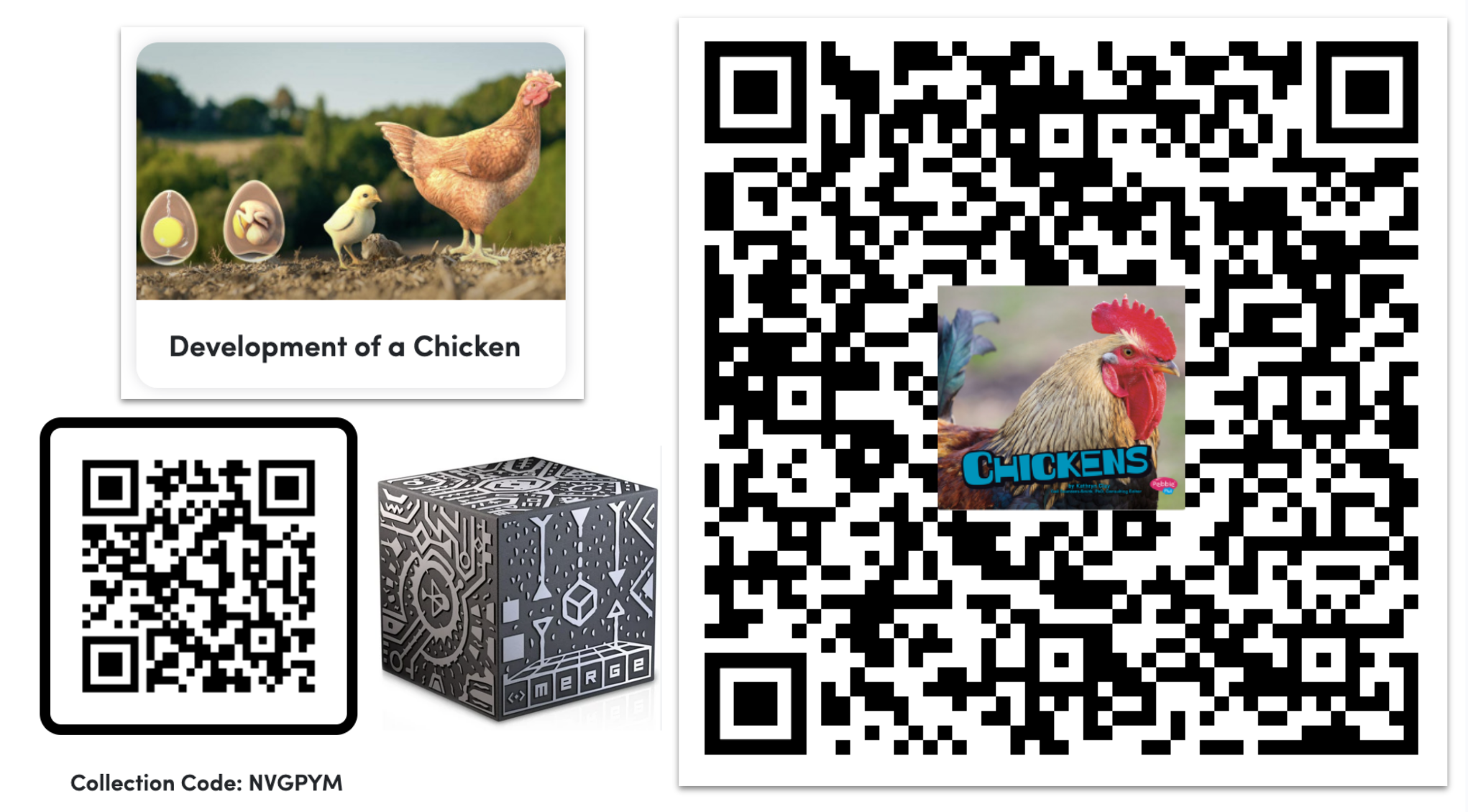
The "Development of a Chicken" collection in the Merge Object Viewer app allows learners to examine every stage of a chick’s growth from Day 1 to hatching around Day 21. Teachers can use the collection code NVGPYM or tap this link to instantly bring the chick's entire developmental timeline into augmented reality.
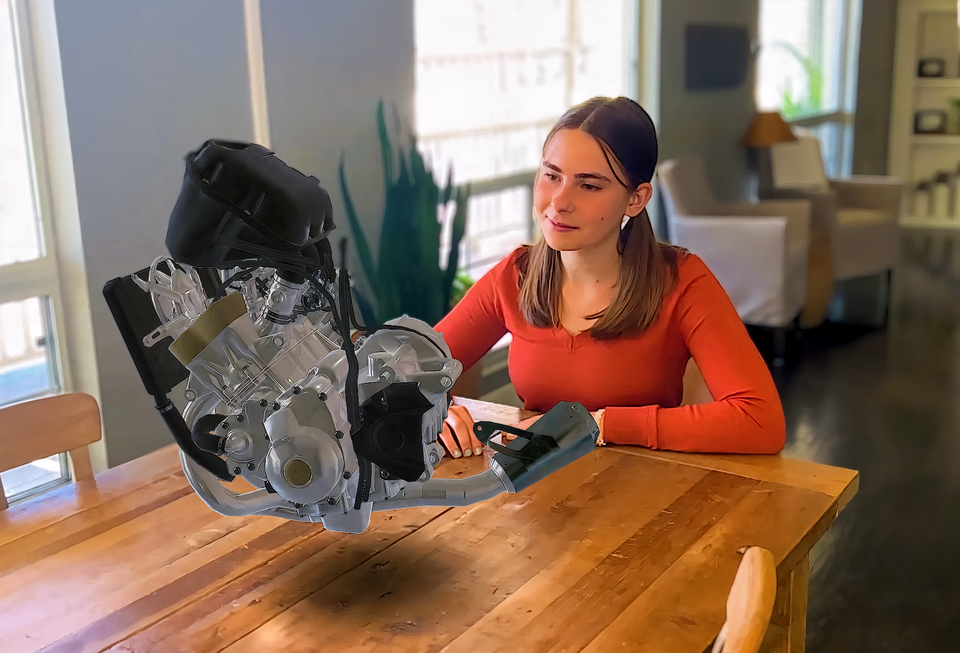
With Merge, students don’t just imagine what happens inside the egg—they can see, rotate, zoom, and even inspect 3D models of the growing embryo. From the first simple forms to noticeable features like eyes, wings, and beaks, each stage brings something new to discover. By the later stages, students can clearly observe how the chick’s body fills the egg, positioning itself for hatching.
Seeing these transitions in three dimensions changes everything.
I’m checking out all of the Collections in @mergeedu Object Viewer. It’s just amazing how many topics there are that tie right into our science curriculum.
— Shannon McClintock Miller (@shannonmmiller) July 17, 2022
I loved sharing the chicken life cycle with our 1st grade teachers today. It’s perfect for their chicken hatching unit.🐣 pic.twitter.com/hRgecTA4v1
Making Learning Interactive
Understanding how a chick develops is much easier when you can interact with it in 3D. It helps you build a clearer mental picture of how all the parts fit together and change over time. This hands-on approach makes complex science more tangible and engaging.
This collection also opens the door to meaningful classroom conversations. Students can explore how organ systems develop in a coordinated sequence and discuss why timing is critical. They can examine how environmental factors like temperature and humidity influence incubation. The lesson can expand into agricultural science, biotechnology, or even engineering discussions about how artificial incubators are designed to replicate natural conditions.
Capture the Journey
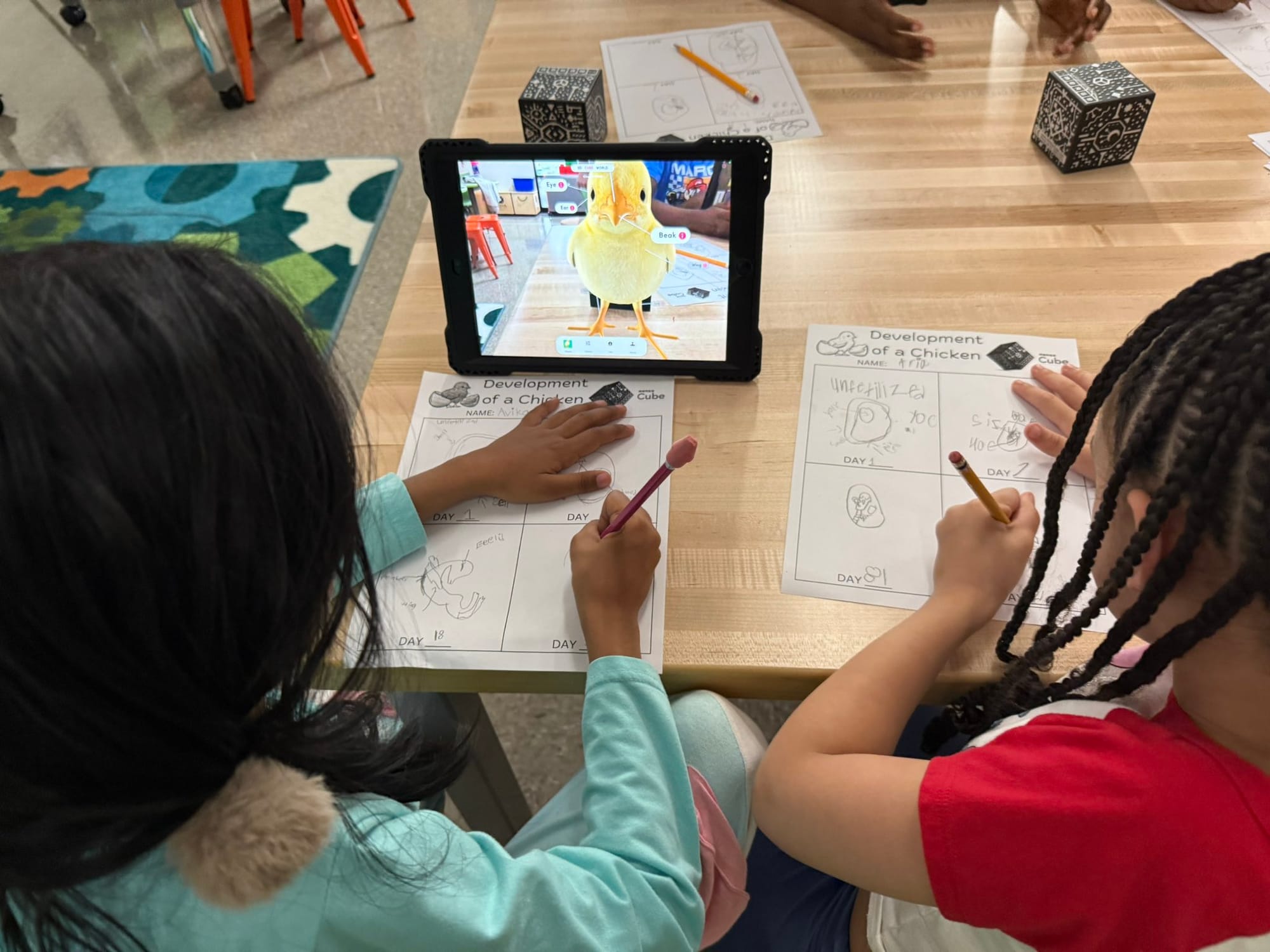
And because Merge EDU includes built-in screen recording, students can capture their observations and narrate what they’re seeing. Asking a student to explain what changes between Day 7 and Day 14, or how the chick prepares for hatching, deepens comprehension and builds scientific communication skills at the same time.
There’s something powerful about watching life unfold step by step. When students can physically hold each stage of development in the palm of their hand, the learning becomes personal. The process feels real. The growth feels remarkable.
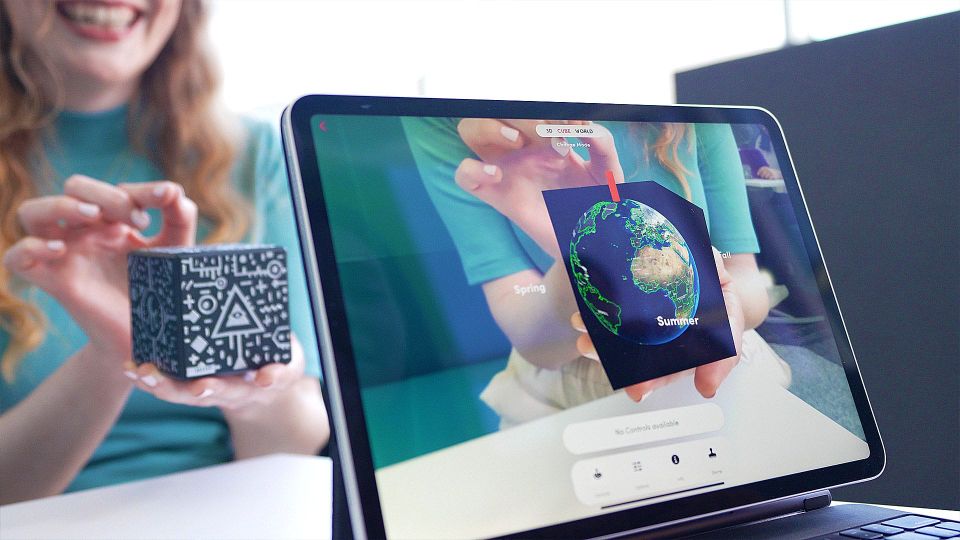
I left a merge cube with a 3D model of a baby chicken on my desk. With no direction, 5th graders discovered it and immediately started playing around. They figured out how to pull up a new model of a rooster. STEM = “Stuff That Excites Me” Thanks for reminding me @OaklandSchools pic.twitter.com/nfysgz3RFD
— Lauren Henderson (@LHendersonReads) April 26, 2024
The development of a chicken is more than a biology standard. It’s a window into how complex organisms emerge from a single fertilized cell—how structure and function evolve together in precise and beautiful coordination.
Ready to explore life inside an egg?

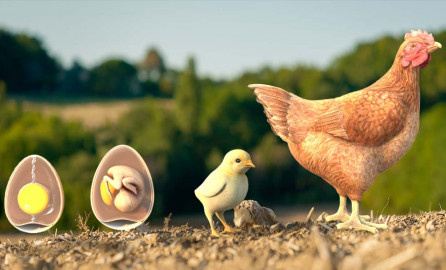
Open Merge Object Viewer, enter collection code NVGPYM or click this link, and let your students examine all 21 days of chick development in immersive 3D.
Start your free trial of Merge EDU at trymerge.com today, and print a Merge Paper Cube at mergecube.com/paper.
Don’t forget to tag @Merge on Instagram and share how your students are exploring the science of life before hatching.