Holding a Great White Shark: Exploring Life Cycles and Traits in Augmented Reality
Once students have explored the Great White Shark’s external traits, Merge Explorer invites them to dive even deeper—literally.
Few animals spark instant curiosity—and a little fear—like the Great White Shark. Students know it as the apex predator of the ocean, famous for its size, speed, and powerful bite. But when students explore the Great White Shark in Merge Explorer, the conversation quickly moves beyond movie myths and into real science.

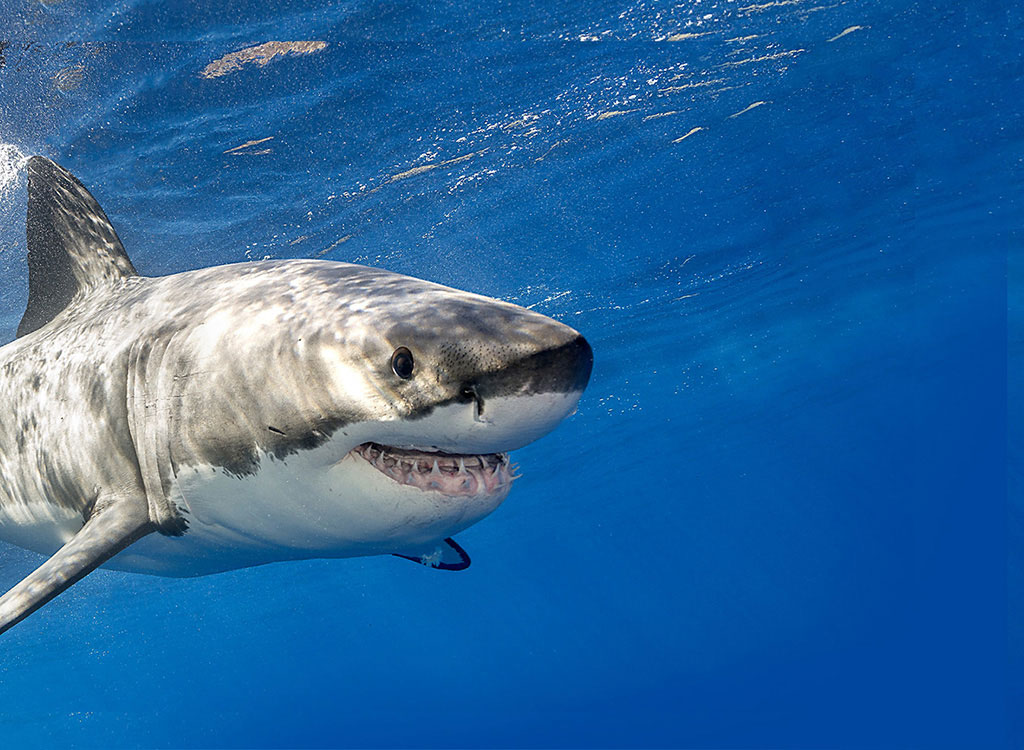
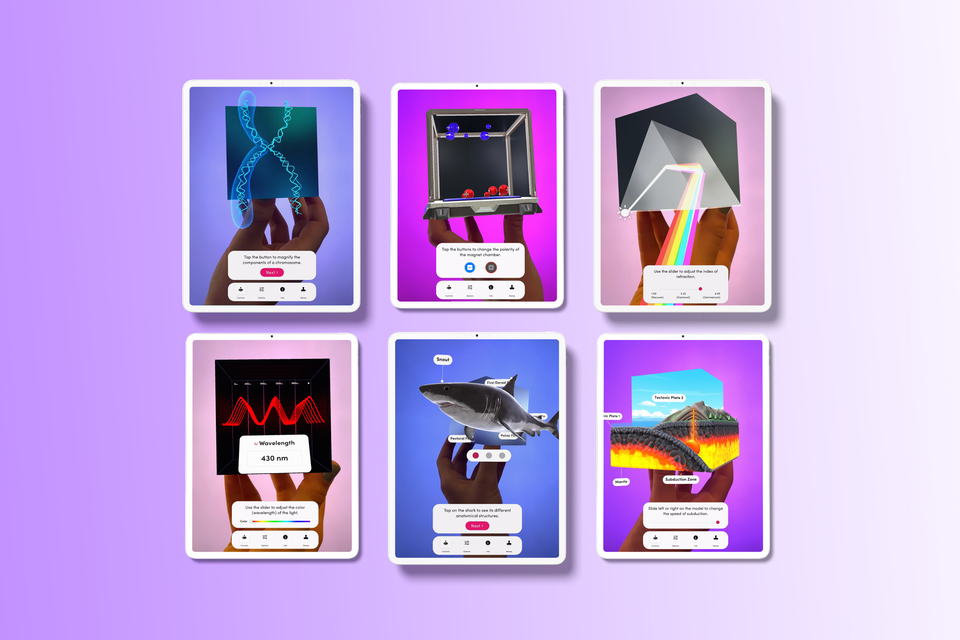
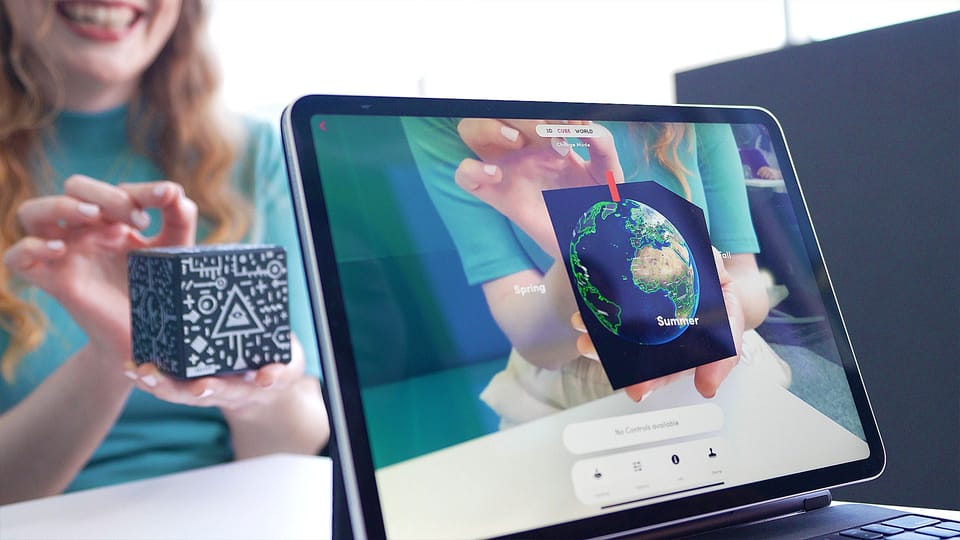
With a Merge Cube in hand, learners can examine a life-sized, three-dimensional Great White Shark from every angle. They can rotate it, scale it, and observe physical traits that help it survive in the open ocean. Suddenly, the shark isn’t just something swimming past on a screen—it’s something students are actively investigating.
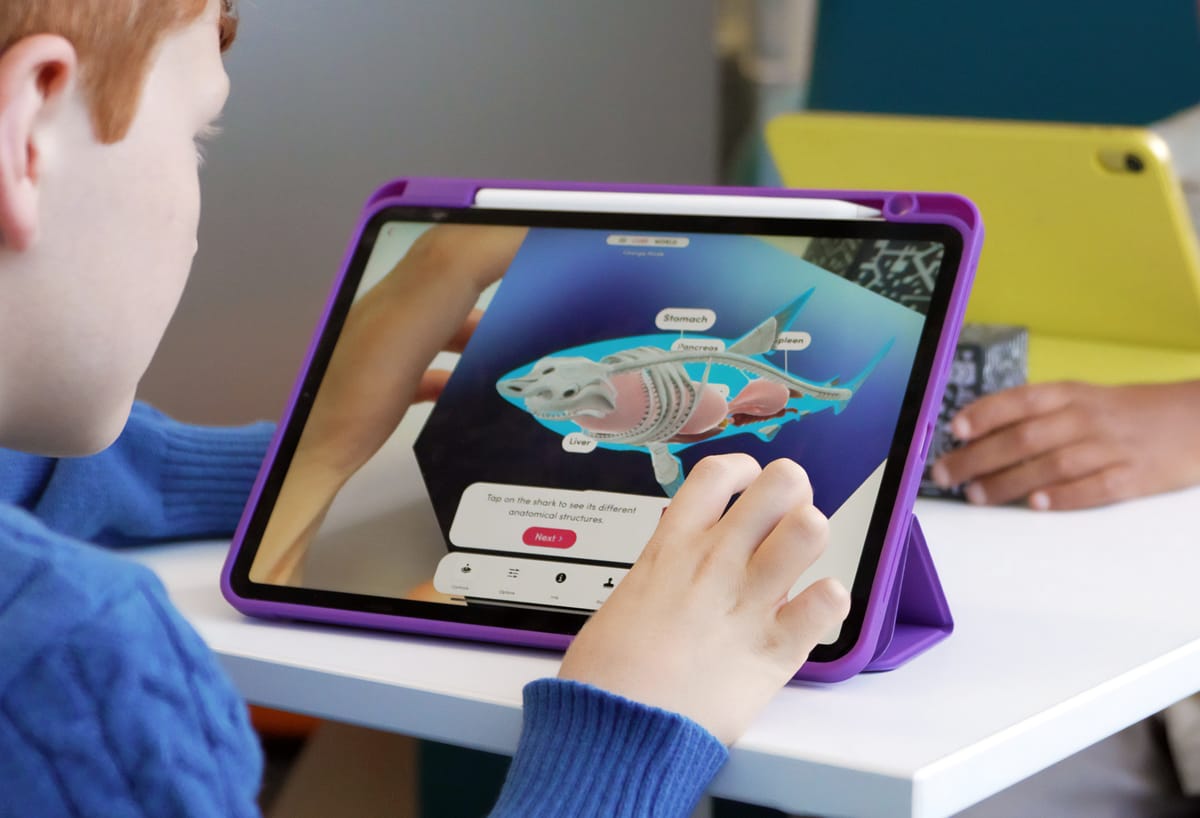
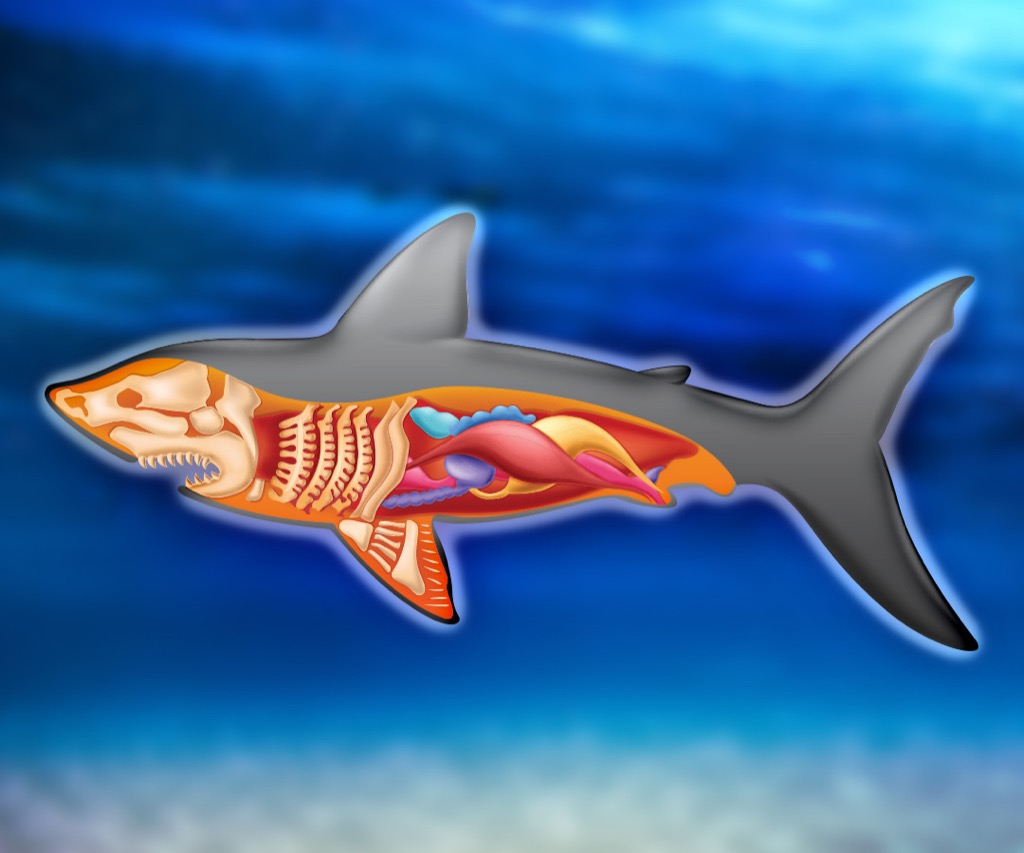
Once students have explored the Great White Shark’s external traits, Merge Explorer invites them to dive even deeper—literally. With a simple tap on the shark, learners can reveal what’s happening beneath the surface, all while the shark continues to swim right in front of them.
Shark week with Maker Maven & @MergeVR. #icctx #educoaches pic.twitter.com/gB9jR5L57P
— Maker Maven (@maker_maven) July 23, 2019
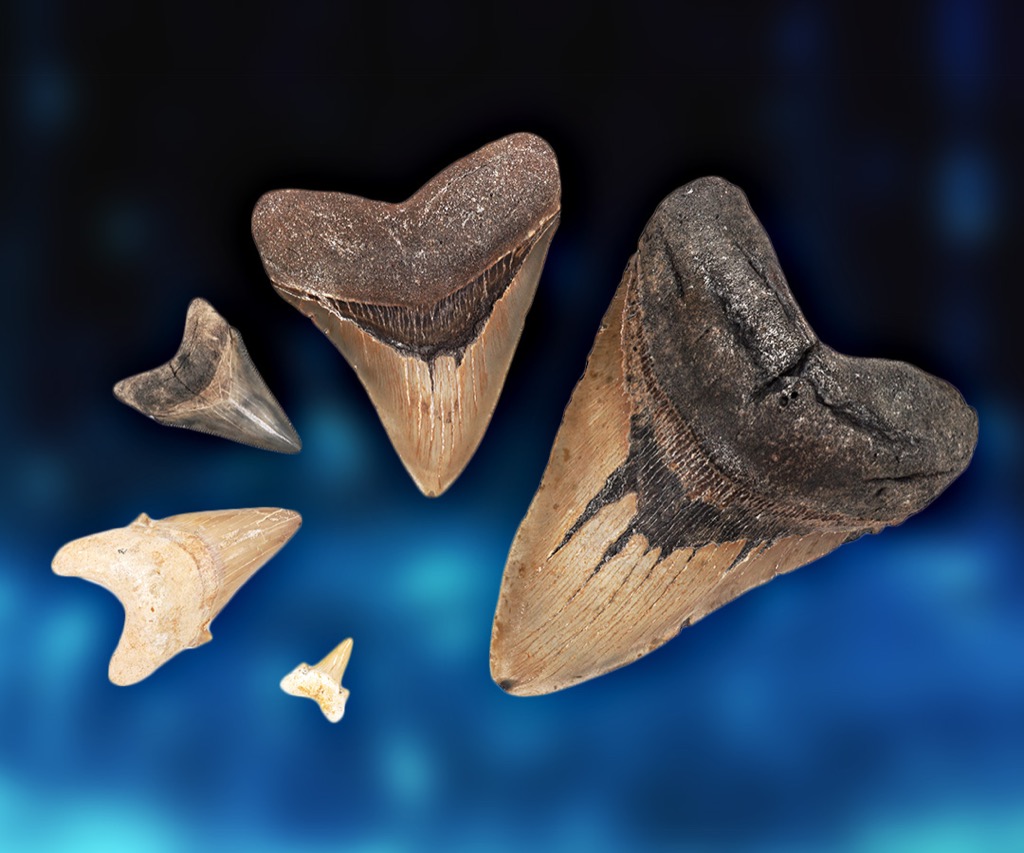
Students can toggle between views of the shark’s skeletal structure and internal organs, gaining a clearer understanding of how anatomy supports survival in the ocean. Seeing the bone and cartilage structure in 3D helps explain how sharks maintain strength and flexibility, while the internal organ view opens the door to discussions about respiration, digestion, and circulation in marine animals.

Because the shark remains animated during the experience, students aren’t just memorizing parts—they’re observing how those systems exist together in a living organism. This interactive approach makes abstract anatomy concepts more concrete and easier to understand, especially for visual and kinesthetic learners.
Think of how many shark books you could pull from your shelf to go with this. Teachers can check out the cubes for their classes too! @MergeVR @DISD_Libraries @ProjectReadDISD @dallasschools @MarshallforDISD @TemesghenAsmer2 @PanthersHHS @TxASL pic.twitter.com/2KL2Z4sD4E
— Nina Canales (@ninathegeeklib) April 12, 2023
“Show me your insides!” quickly becomes a classroom favorite, turning curiosity into meaningful exploration and helping students connect structure, function, and movement in a way that traditional diagrams simply can’t match.
Because the experience is hands-on and multisensory, students are naturally motivated to ask questions, make predictions, and share observations with peers. Teachers can pause the exploration at any moment to prompt discussion, encourage scientific reasoning, or connect the activity to broader life science standards.

The Great White Shark activity in Merge Explorer transforms marine biology into an experience students can literally hold in their hands. Merge Explorer replaces passive observation with active investigation and gives learners a powerful way to explore life cycles, traits, and ecosystems—all while keeping curiosity at the center of the lesson.
Ready to let your students explore ocean life up close? Discover the Great White Shark and hundreds of other hands-on science simulations with Merge Explorer and the Merge Cube at trymerge.com.