Hold Prehistory in Your Hands: Exploring Dinosaur Skeletons with Merge EDU
There’s something timeless about the wonder that studying dinosaurs evokes.
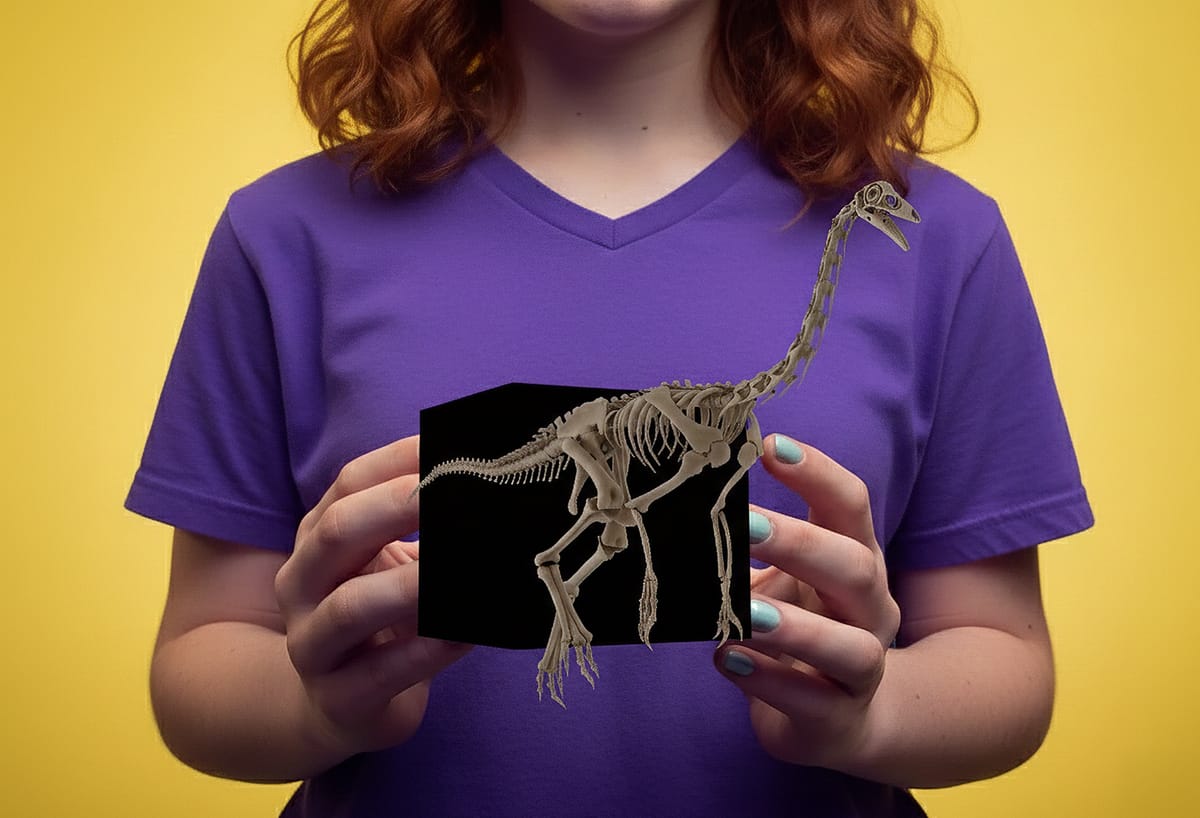
Even before a student can say Tyrannosaurus rex, they are captivated. The size. The teeth. The mystery. Dinosaurs ignite curiosity in a way few other science topics can. But beyond the excitement lies something deeper — an opportunity to teach evidence-based reasoning, comparative anatomy, adaptation, and Earth’s history.
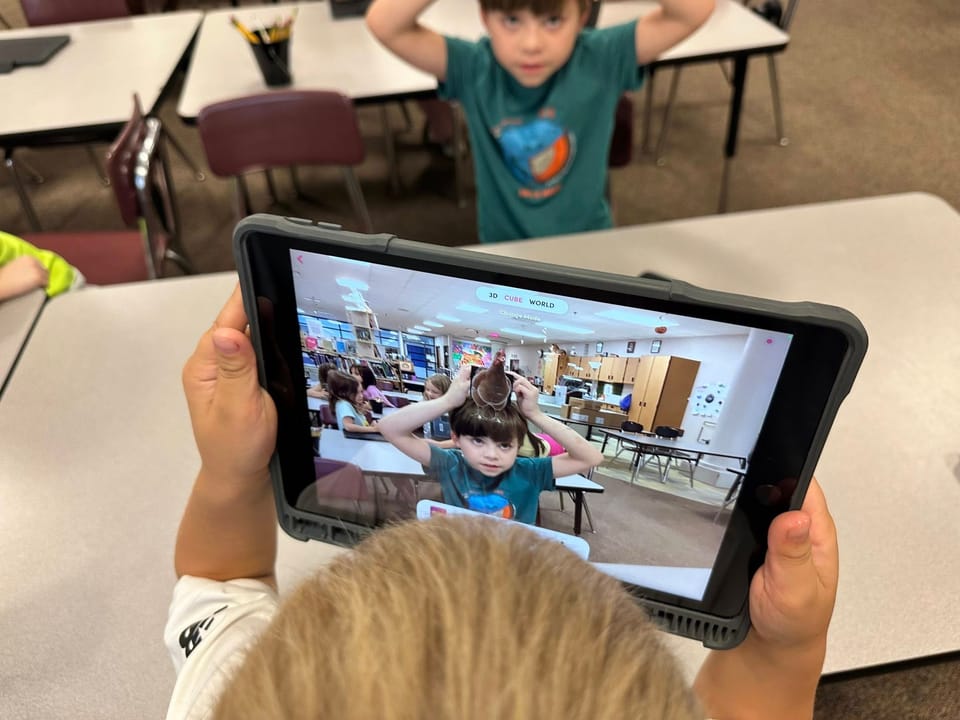
With the Dinosaur Skeletons collection in Merge Object Viewer (Collection Code: WK1R9R), students don’t just look at pictures of dinosaur fossils. They inspect them. Rotate them. Analyze them, and hold fossilized skeletons in the palm of their hand and examine the evidence the way paleontologists do.
And suddenly, prehistory becomes tangible.
From Fossil Fragments to Full Skeletons
In textbooks, dinosaurs are flattened onto the page. And it’s not always possible for students to visit museums to behold dinosaur skeletons in real life. Both formats can create distance between the learner and the specimen.
Merge Object Viewer removes that distance.

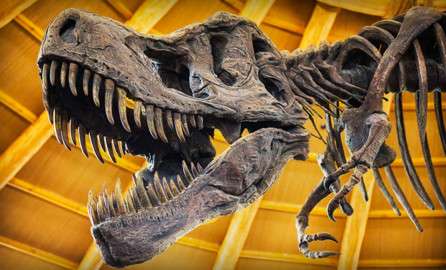
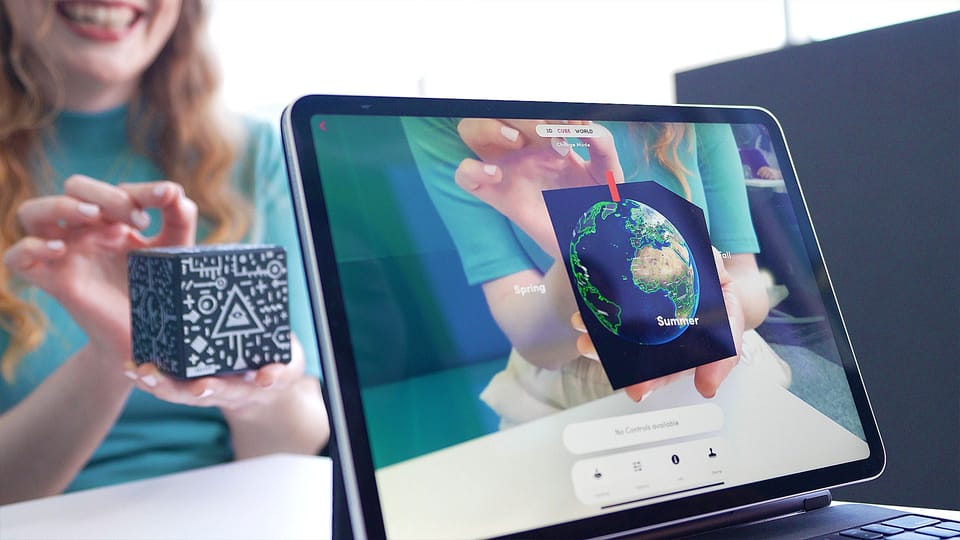
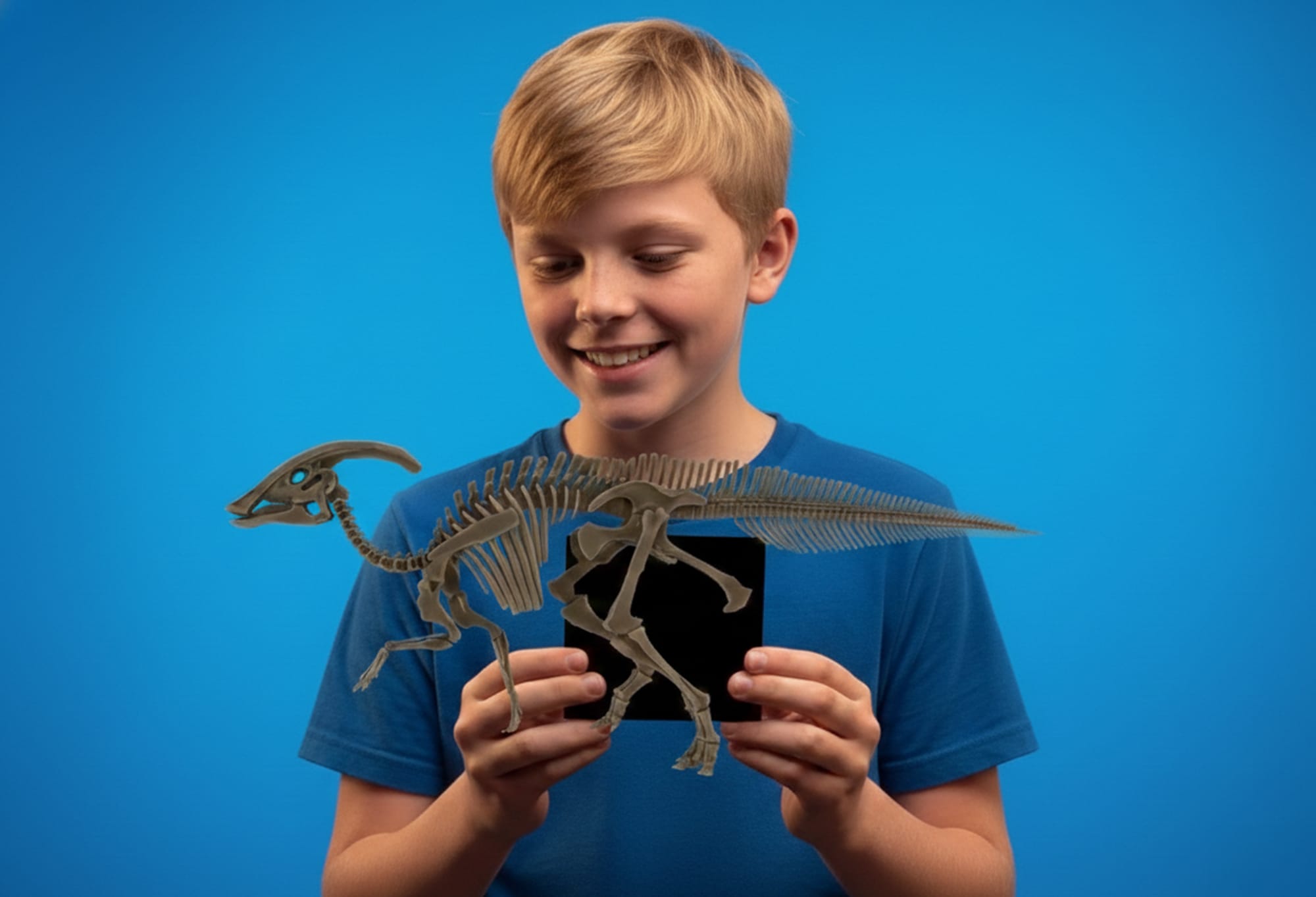
When students launch the Dinosaur Skeletons collection and point their device at the Merge Cube, full fossilized skeletons appear in 3D. They can rotate a Tyrannosaurus rex, zoom in on the ribcage of an Apatosaurus, or inspect the long, whip-like tail of a Diplodocus from every angle.

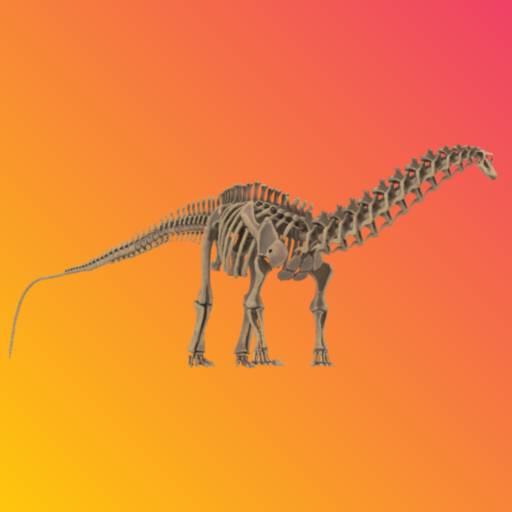
Because the models are interactive, students notice details they might otherwise miss. The shape of teeth. The relative length of femur bones. The curvature of claws. The structure of hip bones.
Instead of memorizing facts about dinosaurs, they begin to ask questions based on fossil evidence.
Why are the T. rex’s forelimbs so small compared to its massive skull?
How does the neck of a Diplodocus support such length?
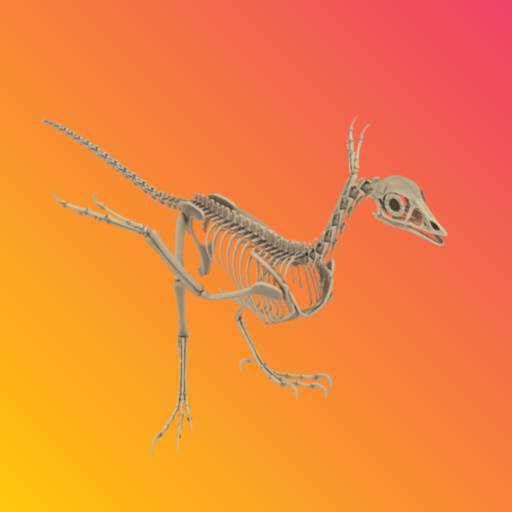
What does the Velociraptor’s skeleton reveal about its movement?
These questions are the beginning of scientific thinking.

Learning Through Evidence
Paleontology is not about guessing — it is about interpreting evidence. Fossilized bones tell a story about structure, diet, behavior, and environment.
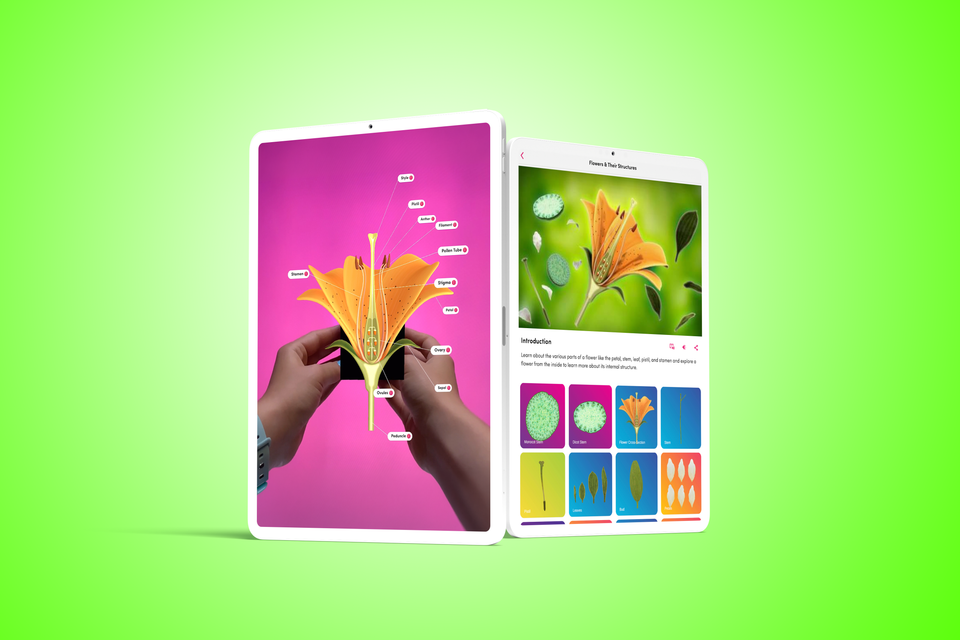
With over 1,000 digital teaching aids available in Merge Object Viewer, students can visualize STEM and science concepts with true-to-life 3D models they can touch, hold, and interact with. The Dinosaur Skeletons collection brings that investigative approach directly into the classroom.
When students compare skeletons side by side, patterns begin to emerge. They see the difference between carnivores and herbivores reflected in skull shape and tooth design. They notice how massive leg bones could support enormous body weight. They observe similarities between dinosaurs and modern birds.
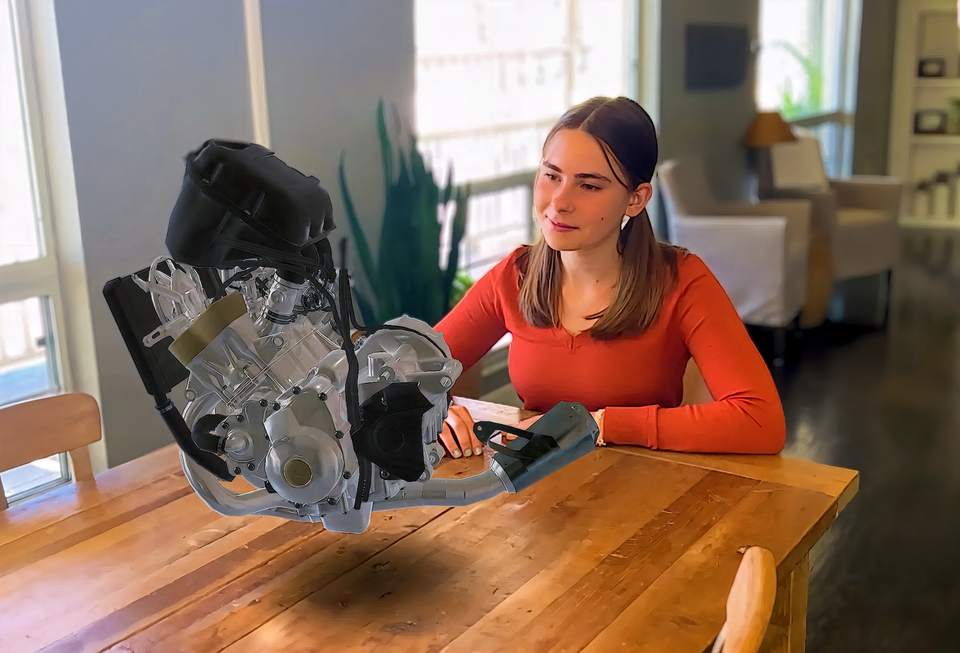
Because the skeletons are fully rotatable, learners can examine joints, posture, and bone proportions from perspectives impossible to capture in static images. This spatial interaction strengthens understanding of anatomy and form-function relationships in a way that flat diagrams simply cannot.
 Merge EDU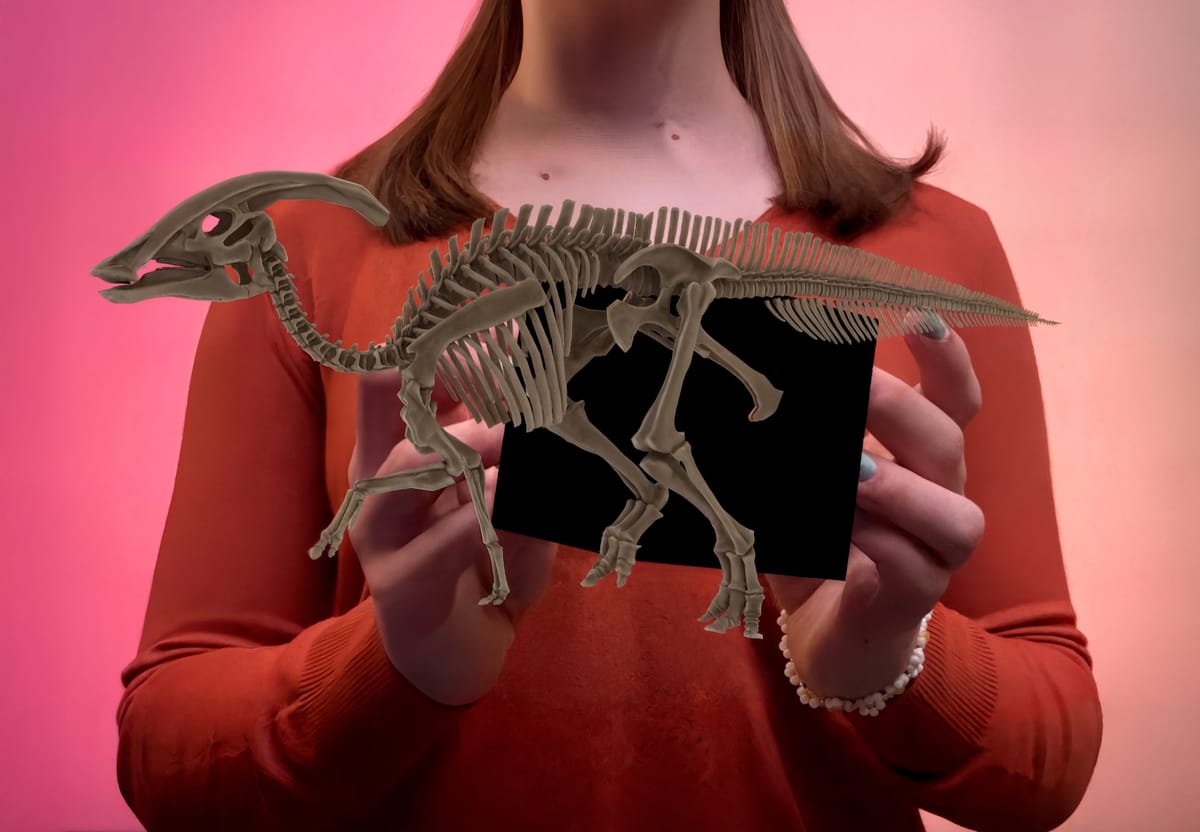
Making Earth’s History Multisensory
Dinosaurs often serve as a gateway into deeper Earth and life science concepts. As students explore the collection, conversations naturally expand.
When did these species live?
What environmental conditions existed during their time?
How did extinction occur?
What other fossils were found alongside them?
And these gigantic dinos that visit Library Services 🦖 pic.twitter.com/FKDZEeEdNl
— IISD Libraries (@IrvingLibraries) November 14, 2025
The Merge Cube provides a multisensory learning experience, allowing students to interact with digital content naturally and intuitively using visual, kinesthetic, and tactile senses. Holding a 3D fossil model while discussing geologic time makes the prehistoric world feel more real.
Students are no longer passive recipients of prehistoric facts. They become investigators of Earth’s past.
Encouraging Collaboration and Inquiry
One of the most powerful classroom moments happens when students gather around a Merge Cube and begin comparing discoveries.
“Look at the size of this skull!”
“The tail is so long — maybe it was for balance.”
“These claws look like they were used for hunting.”
Because the experience is hands-on, it naturally invites collaboration. Students rotate the cube toward one another, pointing out features and defending their interpretations. Discussions become rooted in observable evidence rather than speculation.
Teachers can extend this further by asking students to classify dinosaurs based on skeletal traits, hypothesize about movement patterns, or connect skeletal structures to environmental adaptation. The interactive nature of Object Viewer supports authentic and differentiated learning experiences for a wide range of grade levels.
Bridging Past and Present
Exploring dinosaur skeletons is an exciting activity that builds foundational scientific skills. Students practice observation, comparison, inference, and evidence-based reasoning. They develop spatial awareness and anatomical understanding. They begin to see science as an investigative process rather than a collection of memorized facts.
And perhaps most importantly, they experience wonder.
When a student holds a Tyrannosaurus rex skeleton in their hand and rotates it to inspect its teeth up close, prehistory is no longer abstract. It is immediate, interactive and unforgettable.
Ready to bring fossil evidence to life in your classroom?
Open Merge Object Viewer and enter Collection Code WK1R9R to explore the Dinosaur Skeletons collection — and let your students hold history in the palm of their hand.