Geology: Understanding Our Dynamic Planet with Merge EDU
Bringing Earth's Hidden Processes to the Surface.
Earthquakes. Volcanoes. Mountain ranges. Students know these things exist, but understanding why they happen requires visualizing processes that occur deep underground—processes no one can see in real life.
Until now.
Journey from Crust to Core
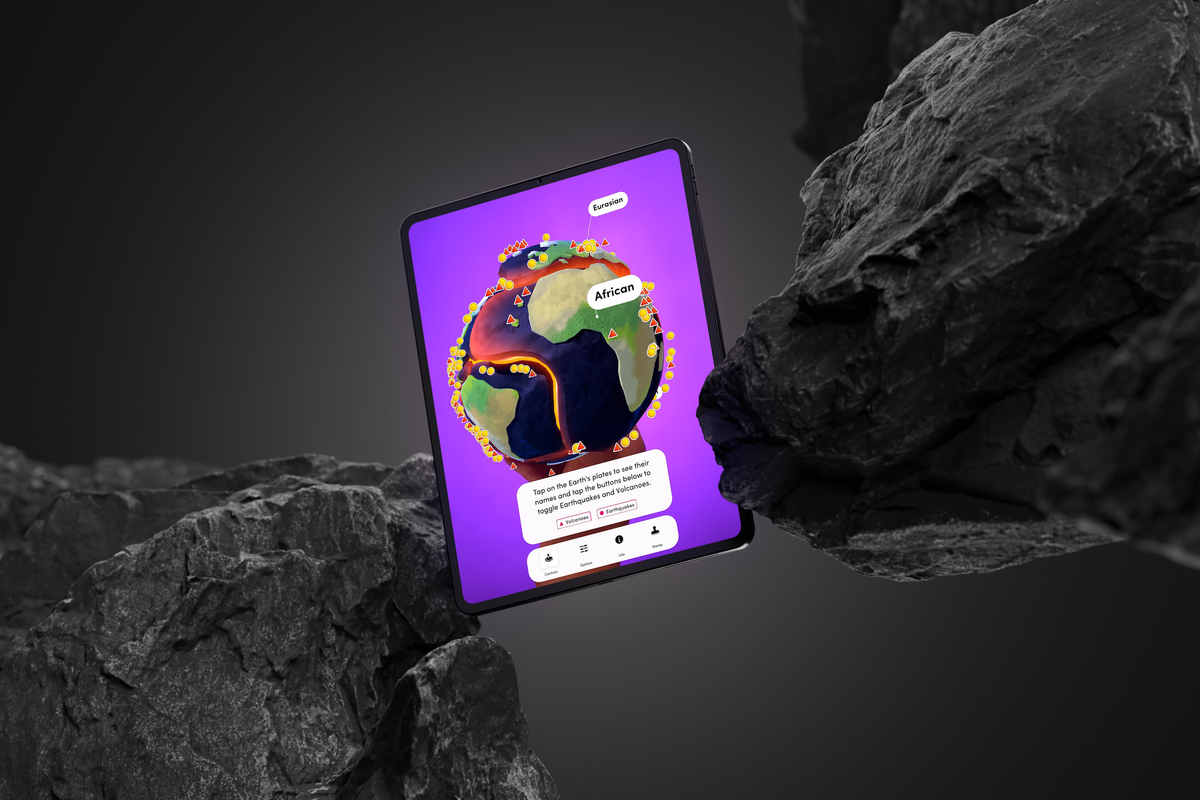
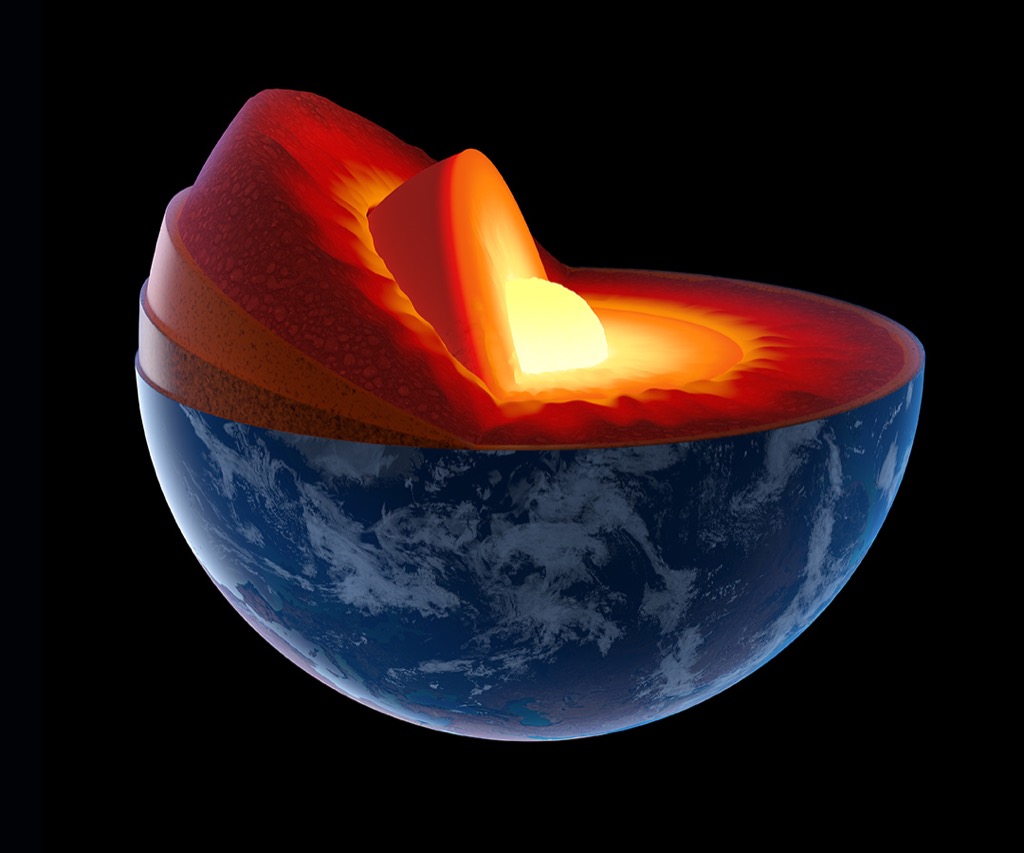
Welcome to Terraforming the Earth! In this topic card in the Merge Explorer app, students explore the anatomy of our planet and discover how Earth's internal processes create phenomena like volcanoes and earthquakes.

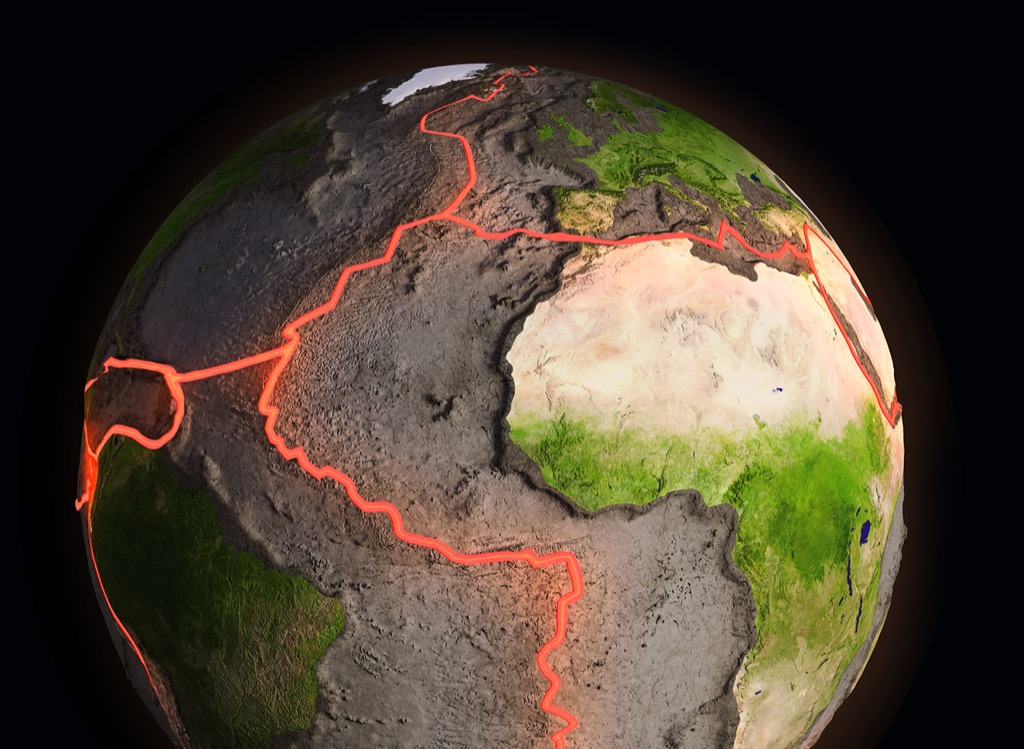
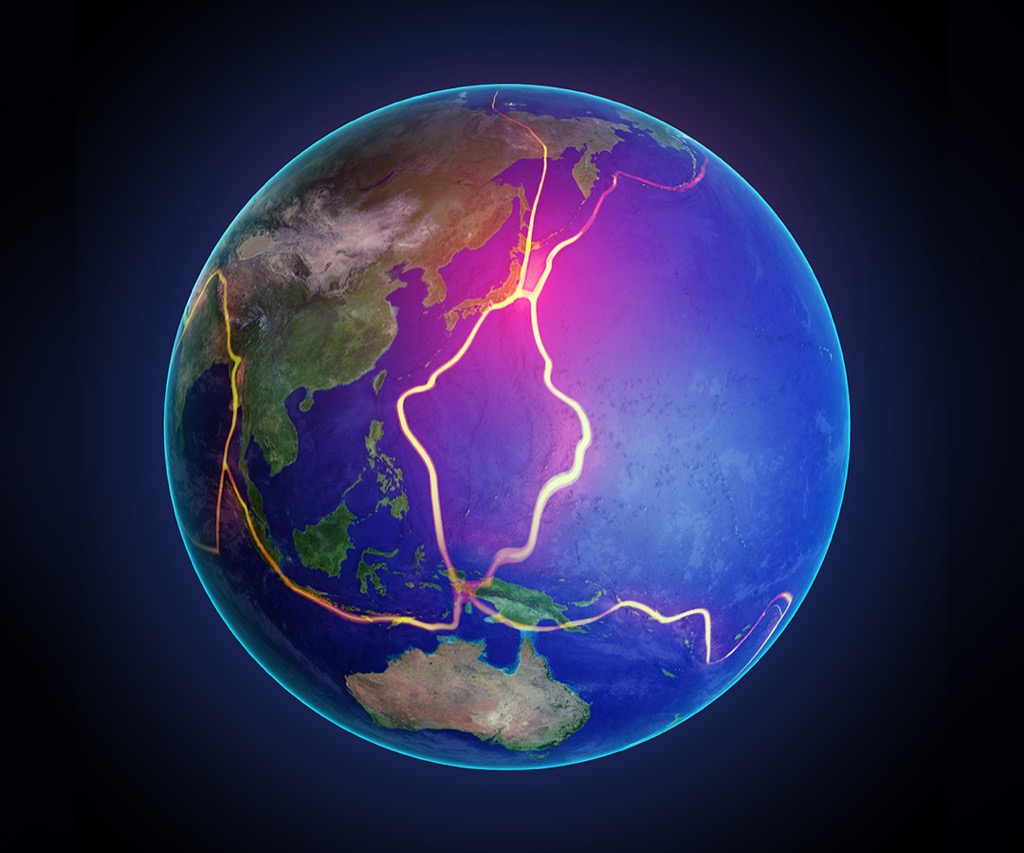
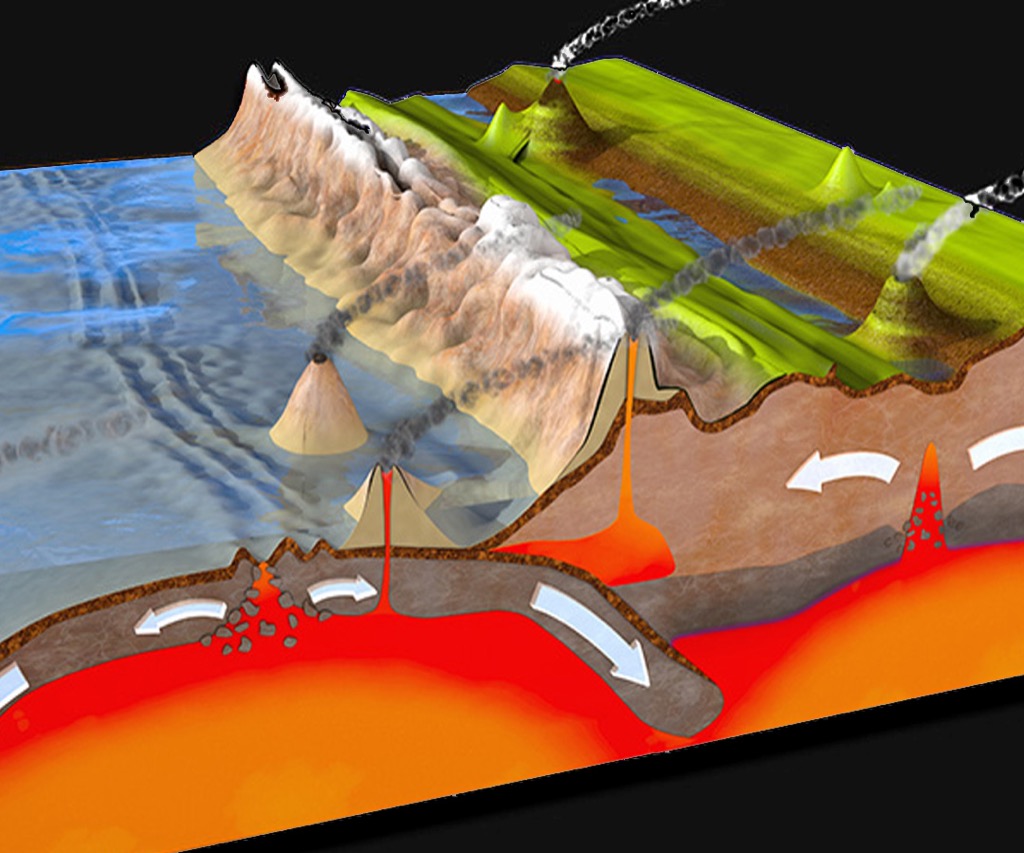
Through four immersive experiences—Journey to the Core, Plates, Subduction, and Volcanology—students take a journey from the crust to the core and back out again.
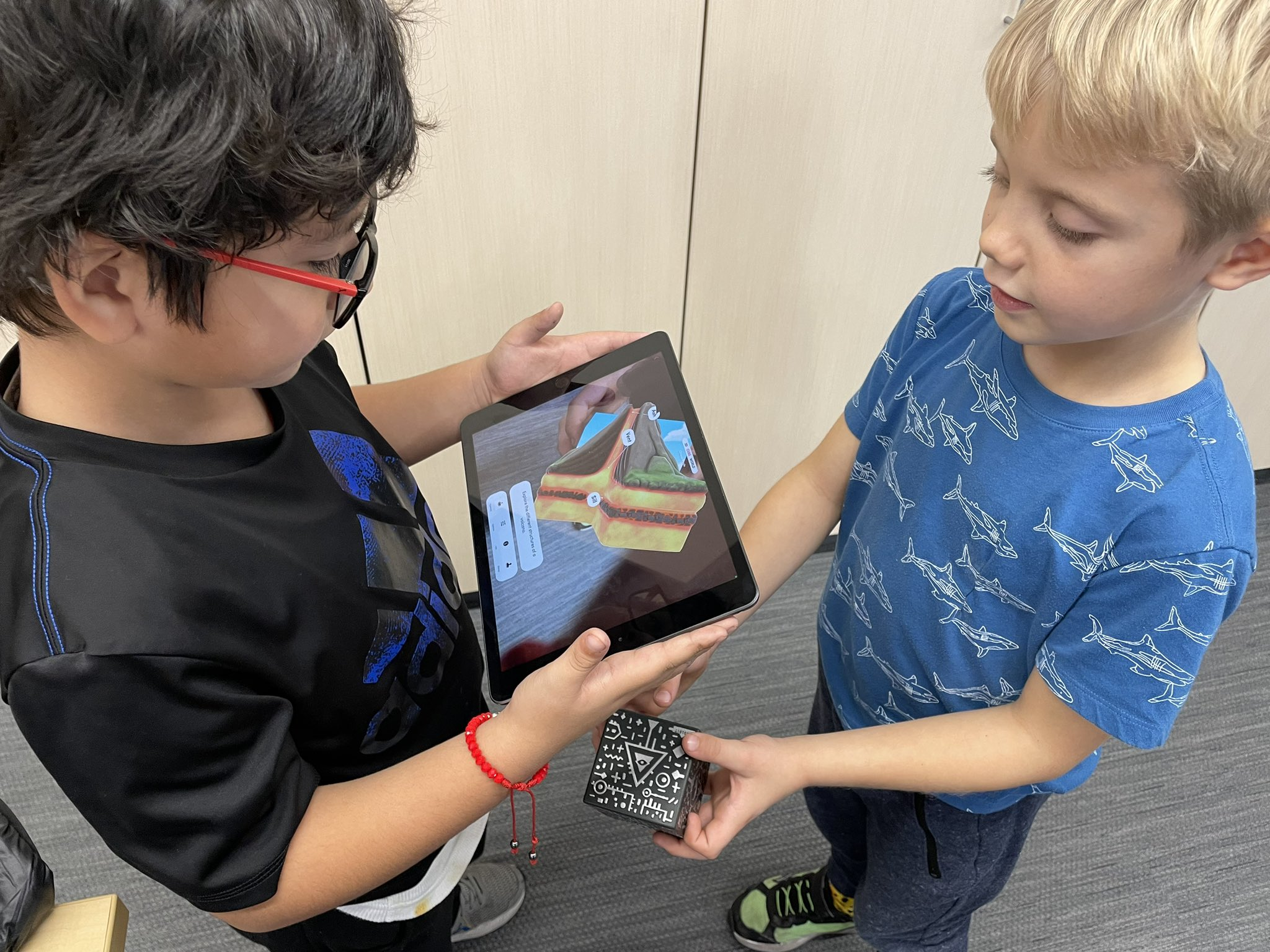
Using the Merge Cube with iPads, Chromebooks, or tablets, students can:
- Explore Earth's layers and internal structure
- See how tectonic plates fit together
- Visualize earthquakes and volcanoes around the globe
- View subduction zones in action
- Understand how volcanoes form and erupt
These hands-on interactions help students grasp cause-and-effect relationships that diagrams can't fully convey.




It took my future engineer Heisman t-minus 5 minutes to figure out the merge cube! He’s learning about the different parts of Earth and thinks it’s cool! 😎 #momwin Now we’ll be able to teach other students how to use it! Thanks #SIOPNC19 and my followers! pic.twitter.com/8vHZi9DJri
— Carlota Holder (@carlota_holder) July 19, 2019
Aligned to Earth and Space Science Standards
Terraforming the Earth comes with activity plans for grades 2-12, aligned to NGSS and state standards. Each fully editable activity plan provides:
- Guided essential investigation questions
- Grade-appropriate vocabulary and context
- Multiple assessment options
- Extension ideas
Everything you need to bring Earth's systems to life.
Why Geology Matters
Understanding Earth's structure isn't just academic—it helps students understand real world issues they may face throughout their lives:
- Why natural disasters occur in certain regions
- How scientists predict earthquakes and eruptions
- Why Earth's surface continues to change
- How our planet sustains life
 Merge EDU
Hang on tight and explore Earth's dynamic systems with the Terraforming Earth activity in the Merge Explorer app. Start your free trial at trymerge.com.