From Rocks to Rivers: Exploring Earth’s Story with Merge
Students don’t just learn about the planet—they experience it.
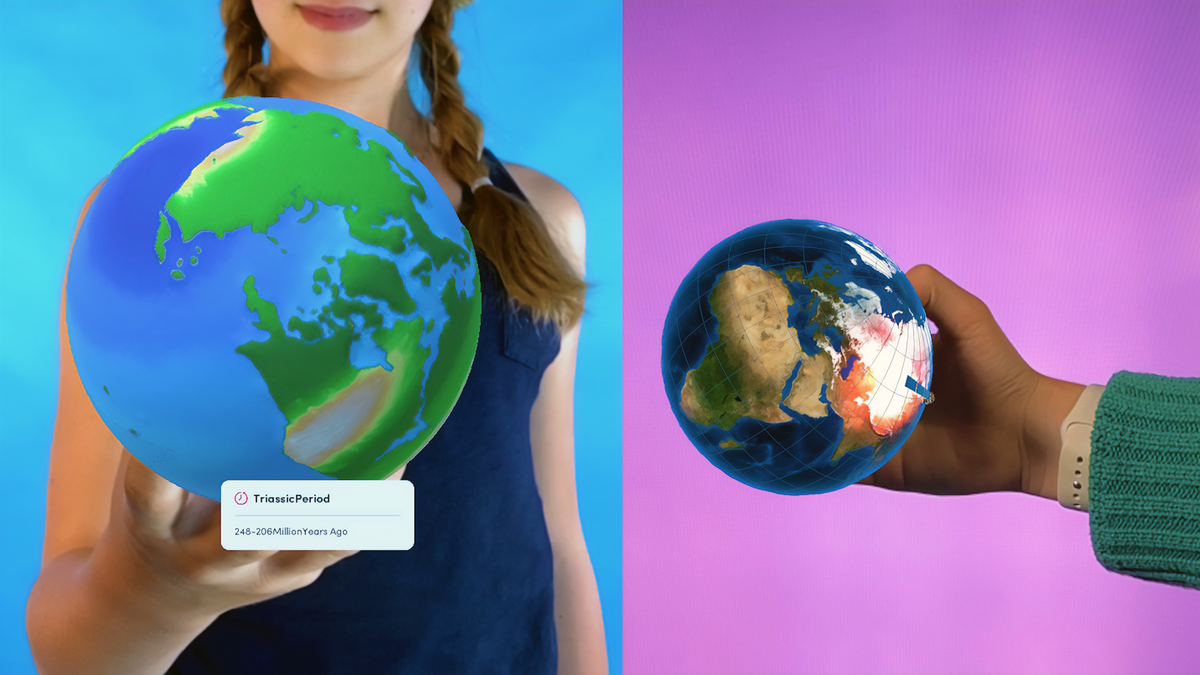
Earth science has a unique challenge in the classroom. It asks students to understand systems that are massive in scale, constantly changing, and often impossible to observe directly. From shifting tectonic plates to the slow carving of canyons, these processes shape our planet over many millenia—far beyond what students can easily see or experience.
But what if students could interact with these processes?
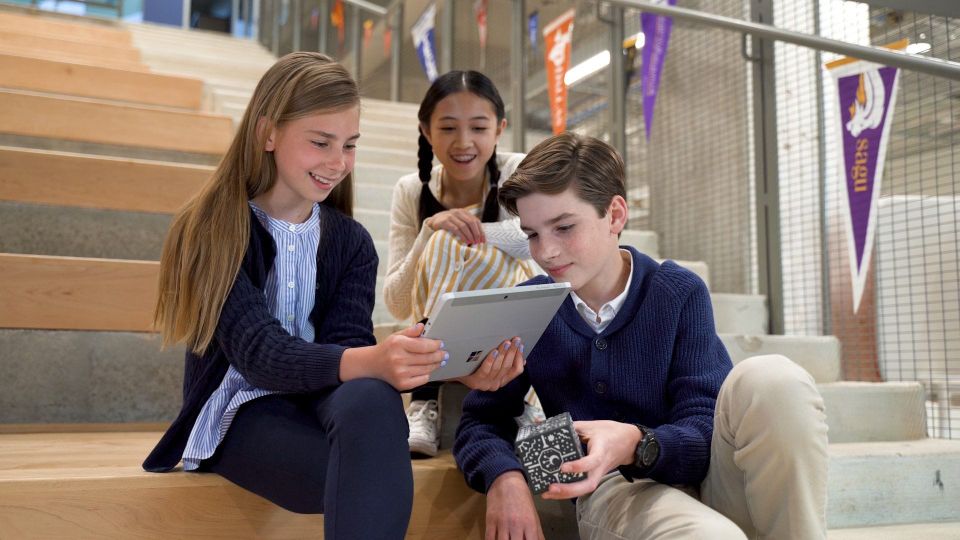
Across classrooms, educators are using Merge EDU to connect geology, landforms, and Earth systems into a cohesive, interactive story. By combining augmented reality with real-world science concepts, students aren’t just learning about the planet—they’re exploring it in ways that feel immediate, visual, and deeply engaging.
Building the Foundation: Understanding a Dynamic Planet
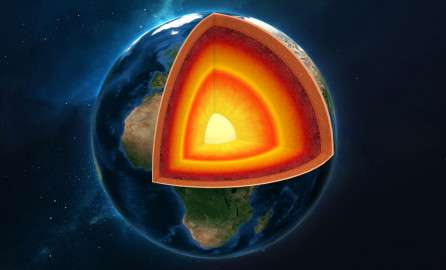
Every journey into Earth science begins with a fundamental idea: our planet is not static. It is constantly changing, shaped by forces both above and below the surface. Traditionally, helping students grasp this has relied on diagrams, textbook images, and videos. While helpful, these tools often fall short when it comes to conveying scale, movement, and complexity.
Merge EDU changes that experience entirely.
 Merge EDU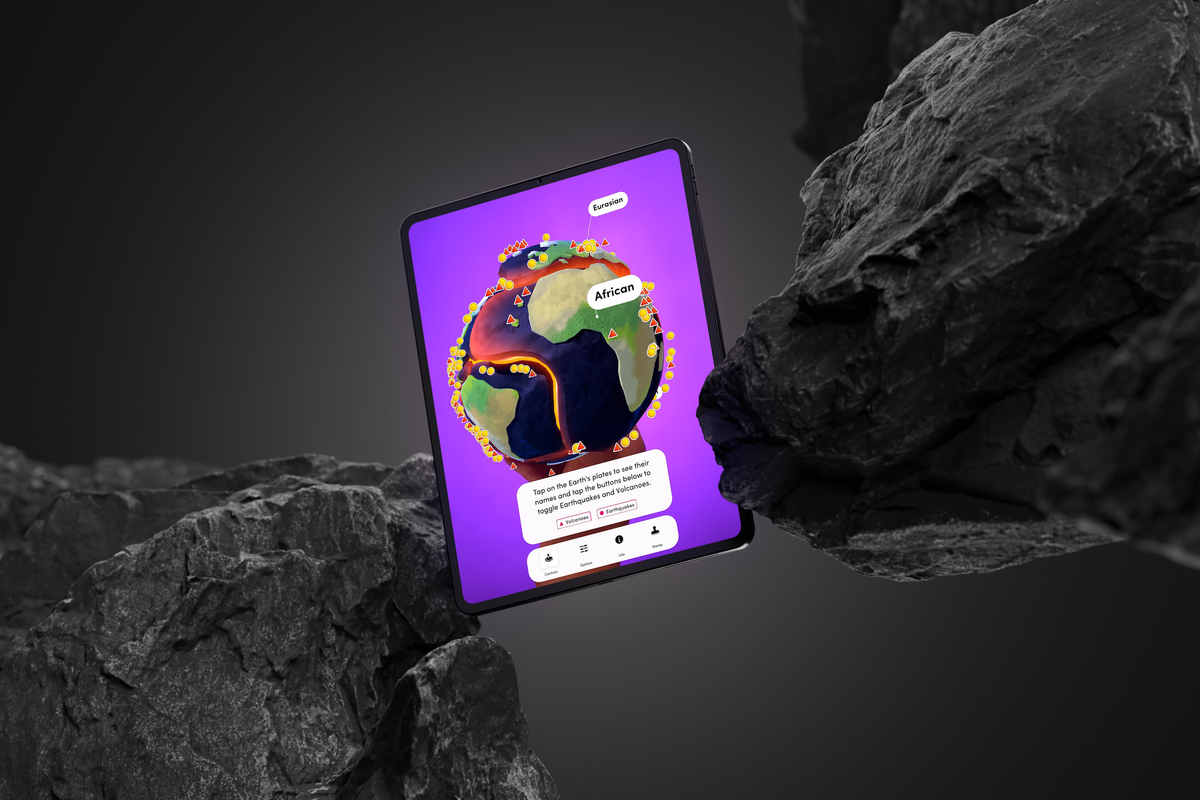
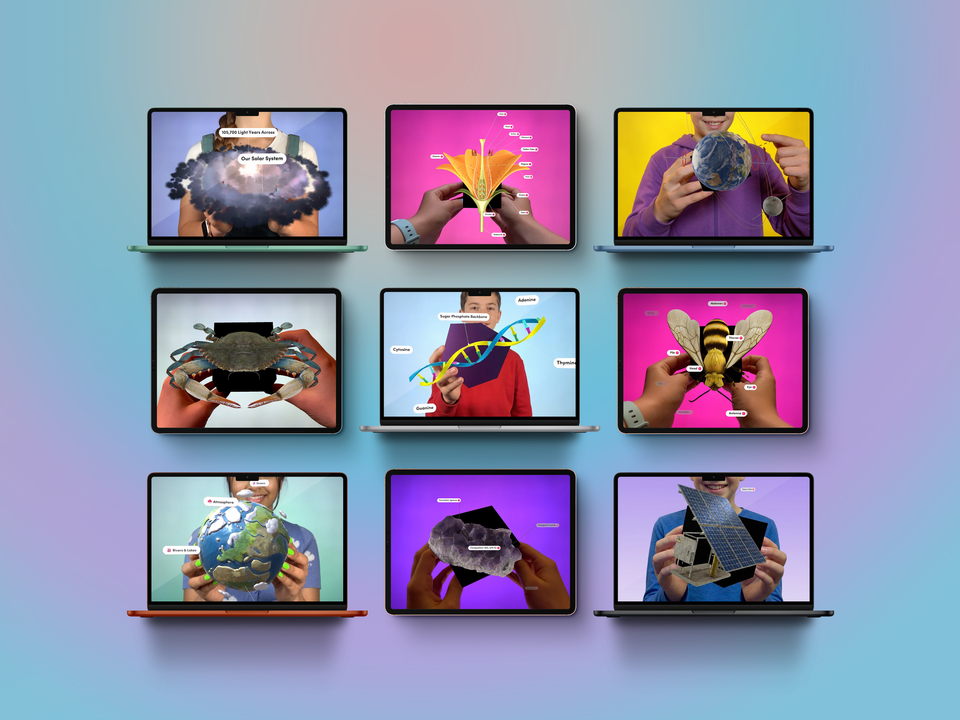
With hands-on augmented reality, students can explore geological structures and processes as interactive 3D models. They can examine layers of the Earth, investigate rock formations, and begin to understand how internal and external forces work together to shape the planet. Instead of imagining these systems, students can manipulate them—rotating, zooming, and observing details that would otherwise remain abstract.
This foundational understanding becomes the anchor for everything that follows.
A New Kind of Rock Collection
One of the most tangible ways to introduce geology is through rocks and minerals. For decades, classrooms have relied on physical rock kits to give students hands-on experience. While effective, these collections are often limited—restricted by cost, availability, and the inability to show internal structures or variations.
Now, imagine a rock collection that never runs out, never breaks, and can be explored in ways physical samples never could.
Merge EDU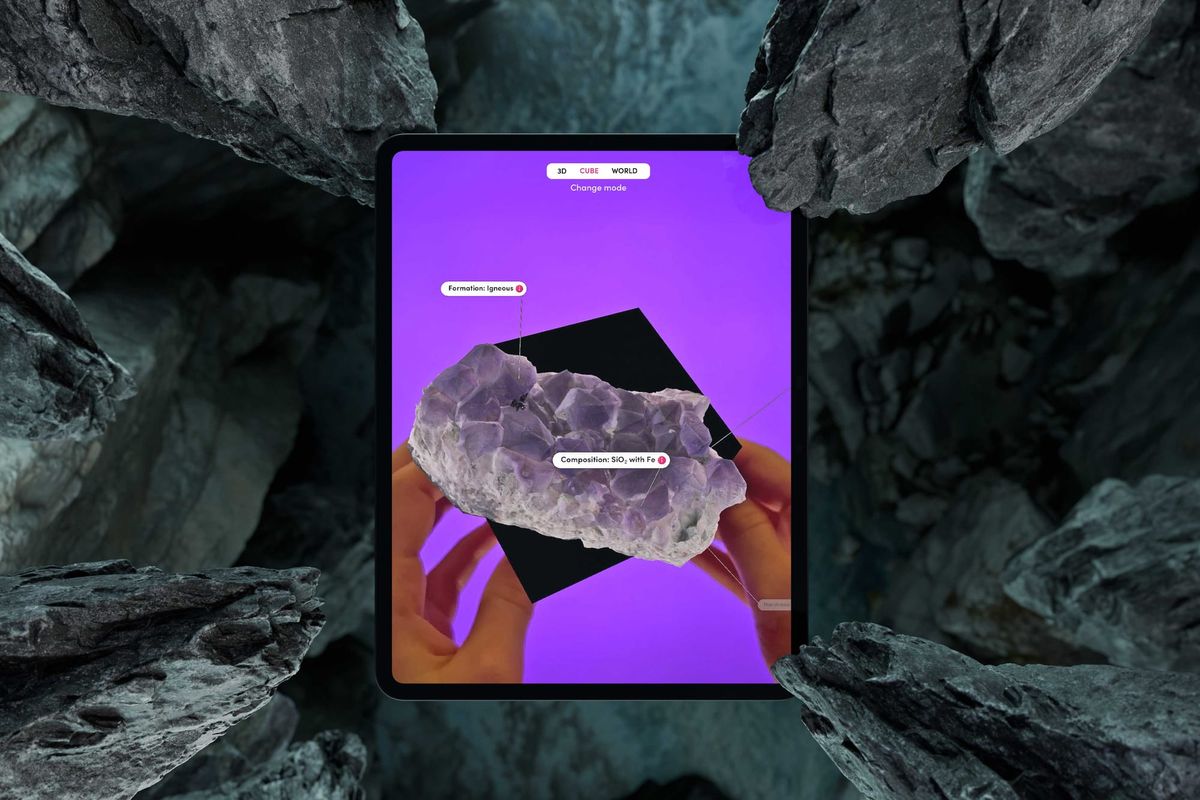
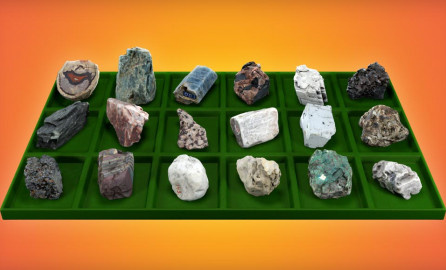
With Merge EDU, students gain access to a digital collection of rocks and minerals they can hold, inspect, and analyze in 3D. They can enlarge specimens, examine textures and features up close, and compare different types side by side. More importantly, they can connect these samples to the processes that formed them, bridging the gap between observation and understanding.
This transforms a traditional activity into something far more powerful—an entry point into deeper geological thinking.
Connecting Rocks to Landscapes
Once students understand the building blocks of the Earth, the next step is seeing how those materials shape the world around them. This is where geology becomes more than identification—it becomes a story of transformation.
Landforms like mountains, canyons, and river bends are the result of countless interactions between rock, water, wind, and time. These features are often introduced through photos or videos, but those formats can only go so far in helping students truly grasp their scale and formation.
With Merge EDU, students can explore these landscapes as interactive models. They can observe how layers of rock are exposed, how erosion carves through terrain, and how environmental forces gradually reshape the land. These experiences allow students to move beyond memorizing landform definitions and begin understanding the processes behind them.
Merge EDU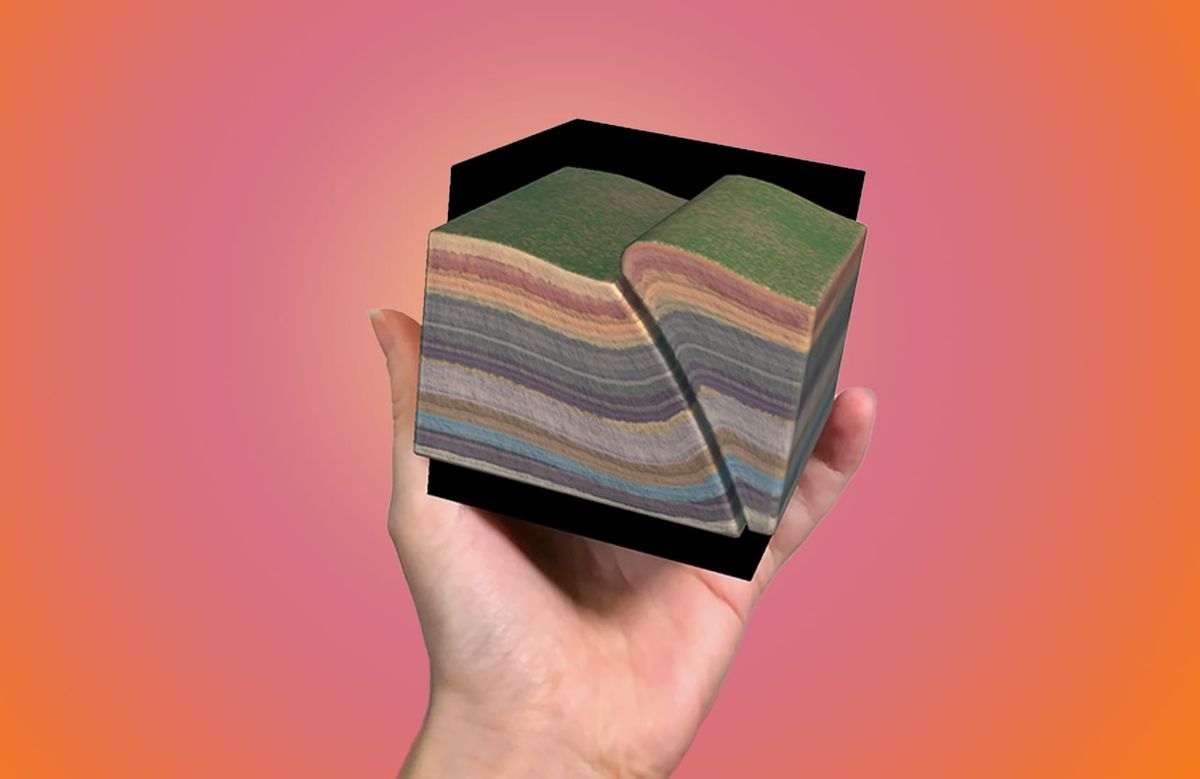
A Closer Look at Iconic Landforms
Take a location like Horseshoe Bend, one of the most recognizable geological formations in the United States. It’s a striking example of how water can shape rock over time, creating dramatic curves and deep canyons.
In a traditional classroom, students might see an image and read a short explanation. With Merge EDU, they can do much more.
Merge EDU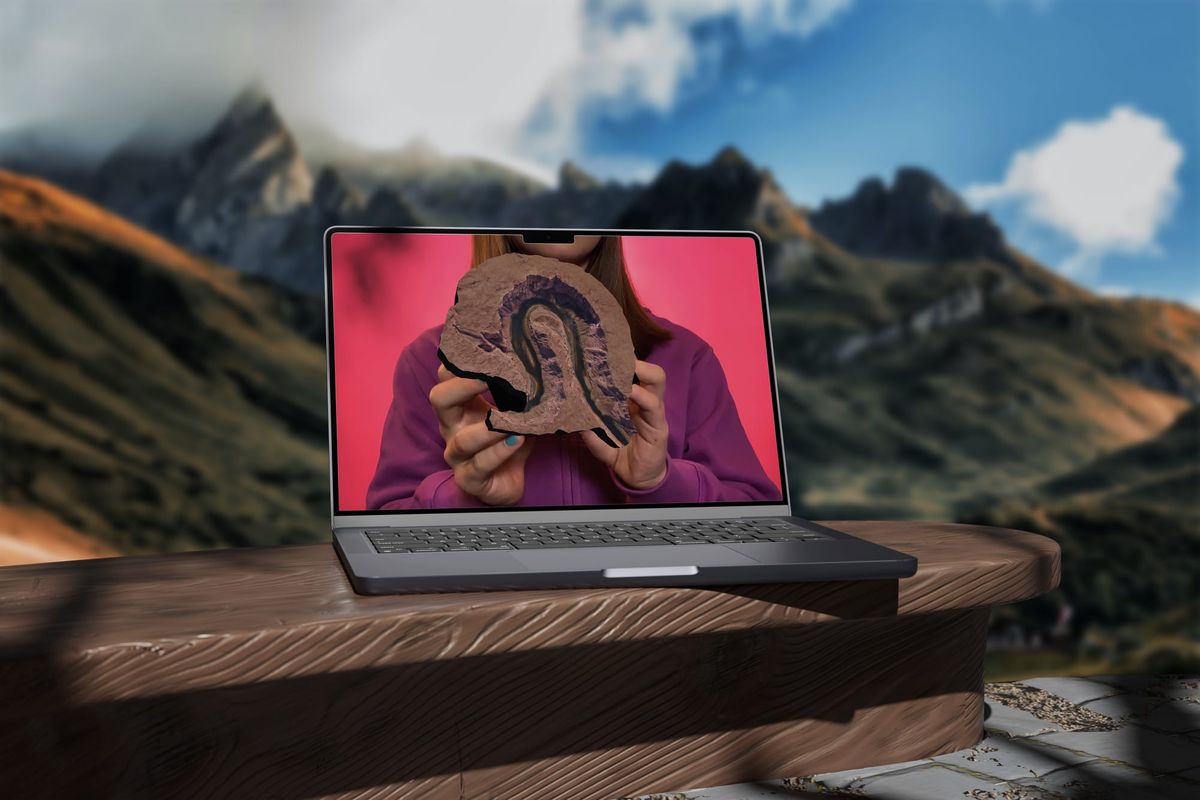
They can explore the structure of the bend in 3D, observe the path of the river, and visualize how erosion and sediment movement contributed to its formation. This kind of interaction turns a single landmark into a case study—one that helps students connect abstract processes to real-world examples.
It’s no longer just a picture. It’s an experience.
Celebrating Earth Science in Context
Moments like International Mountain Day offer a perfect opportunity to bring these concepts together. Mountains are not just geographic features; they are the result of tectonic activity, pressure, uplift, and erosion over vast periods of time.
Using Merge EDU, students can explore mountain formation in a way that connects directly to the rock cycles and geological forces they’ve already studied. They can visualize how mountains rise, how they weather over time, and how they fit into the broader system of Earth’s changing surface.
These connections are what make learning stick. When students see how individual concepts fit into a larger system, they move from isolated facts to a deeper understanding of how the planet works.
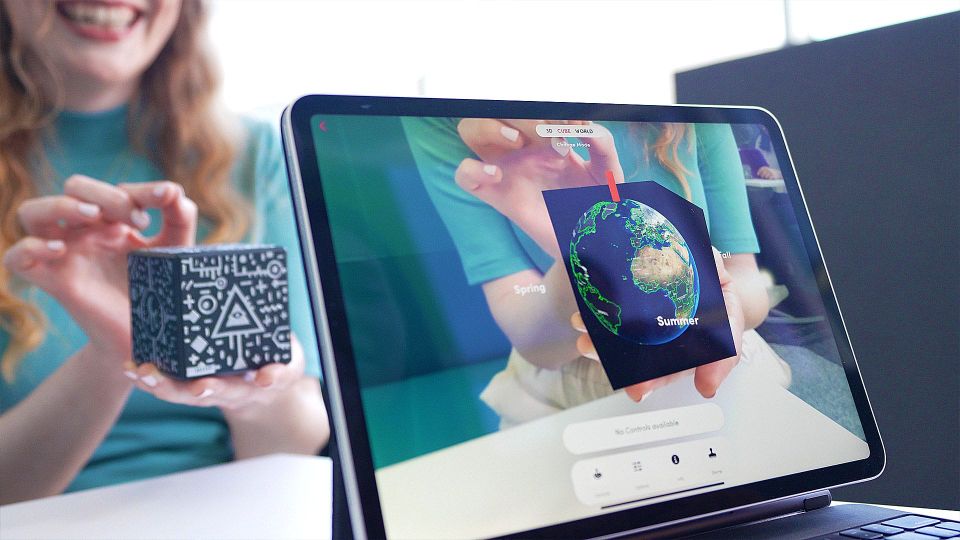
Exploring the formation of Earth with @merge cube’s augmented reality! #mergecube #augmentedreality pic.twitter.com/J6GJlIrkbq
— Randi Trewhella (@trew_teaching) November 8, 2021
From Observation to Understanding
What ties all of these experiences together is a shift in how students engage with Earth science. Instead of passively observing images or reading descriptions, they are actively exploring, manipulating, and questioning.
They can:
- Hold and examine rocks and minerals in detail
- Visualize geological processes that occur over millions of years
- Explore real-world landforms and understand how they were created
- Connect individual concepts into a larger picture of Earth’s systems
This approach doesn’t just improve engagement—it builds comprehension. Students are more likely to remember what they’ve experienced, especially when they’ve had the opportunity to interact with it directly.
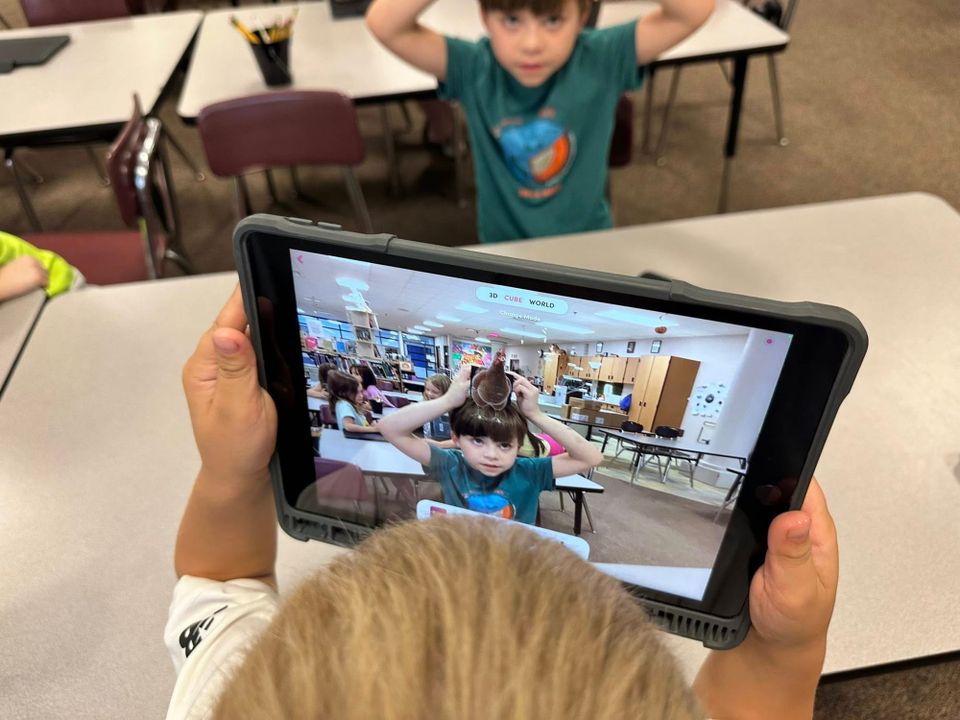
My #oesrams had a quick moment to explore the new @MergeVR app #hologlobe today.
— Heidi Samuelson #edtechcoach (@swampfrogfirst) April 21, 2022
We’ve been discussing how fire & precipitation can change the Earth’s surface quickly, so we looked at the data shared on the app#ARVRinEDU #AugmentedReality pic.twitter.com/6KTOJpINsC
Bringing Earth Science to Life
Earth science is, at its core, the story of our planet. It’s a story of change, interaction, and time on a scale that can be difficult to comprehend. But with the right tools, that story becomes something students can see, explore, and understand.
Merge EDU brings that story to life.
By combining geology, rock collections, landforms, and global processes into one interactive platform, it gives educators a powerful way to teach Earth science as a connected, dynamic system.
Start exploring Earth science in your classroom today at trymerge.com