Exploring How Plants Power Life on Earth with Hands-on AR
When students can see, touch, and explore plant science, learning takes root.
Every bite of food we eat, every ecosystem we depend on, traces back to this incredible process. Yet for many students, plant biology can feel invisible or abstract, happening at a microscopic level they can’t see.
That’s where the Merge Explorer app comes in. Through hands-on augmented reality, students will explore how plants grow, function, and support life on Earth.

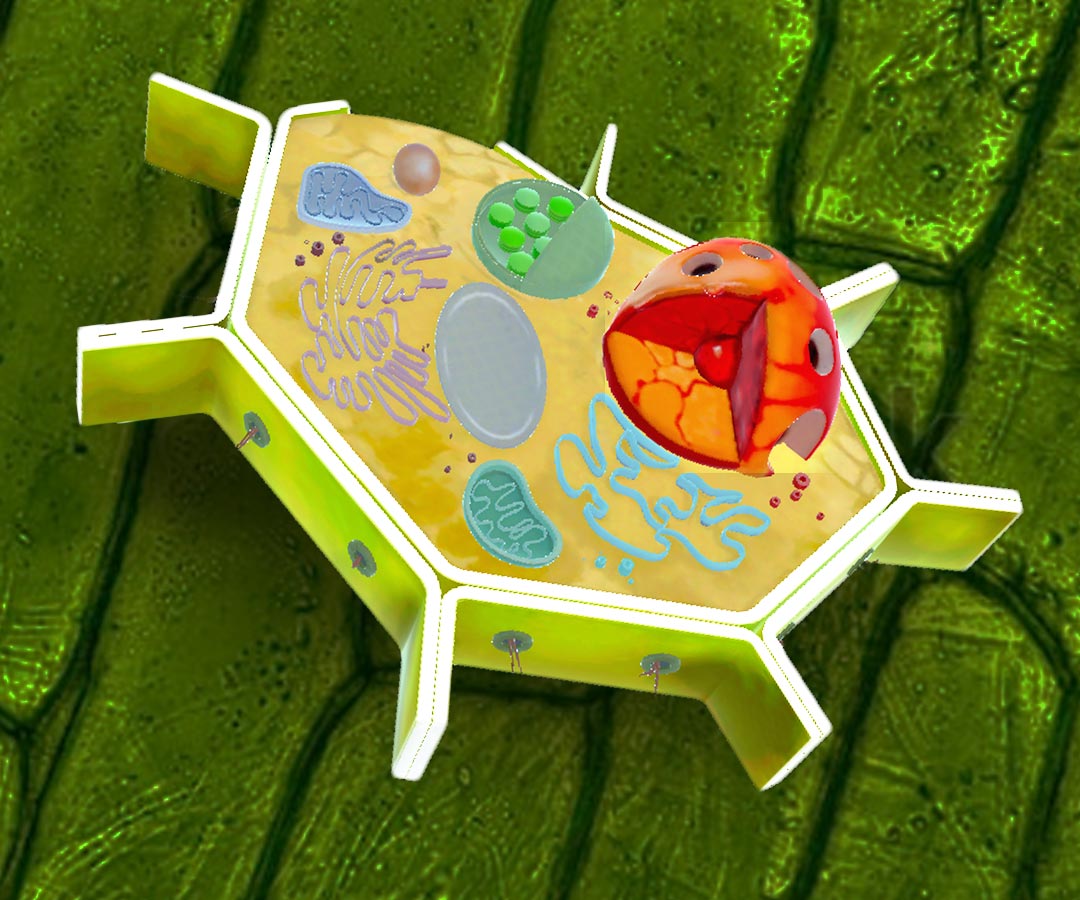
Seeing Inside a Plant Cell
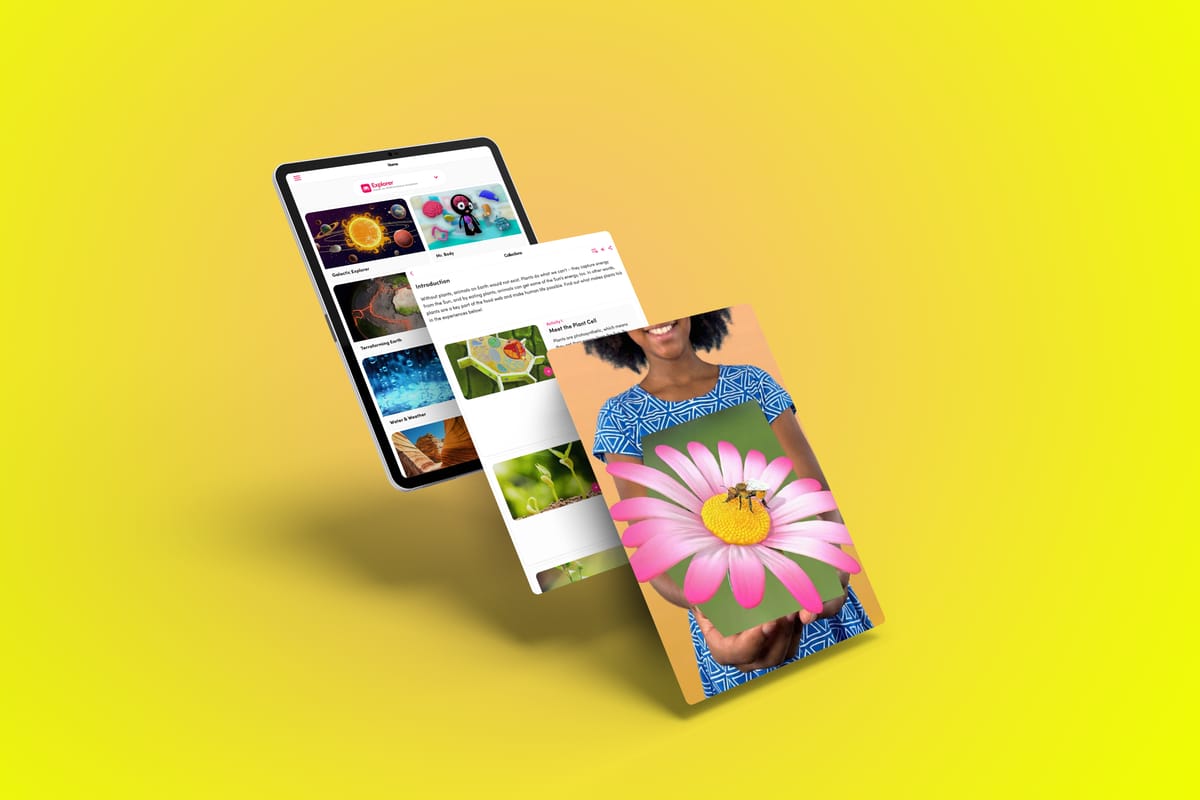
In Meet the Plant Cell, students can hold a plant cell in the palm of their hand and investigate its parts up close. Chloroplasts, cell walls, vacuoles, and other structures become visible, interactive, and understandable.
Using the activity plan and the interactive simulations, students:
- Explore how each part contributes to plant survival
- Understand how plants capture and store energy
- Make connections between structure and function
This hands-on experience helps students grasp concepts that are often difficult to visualize using textbooks alone.

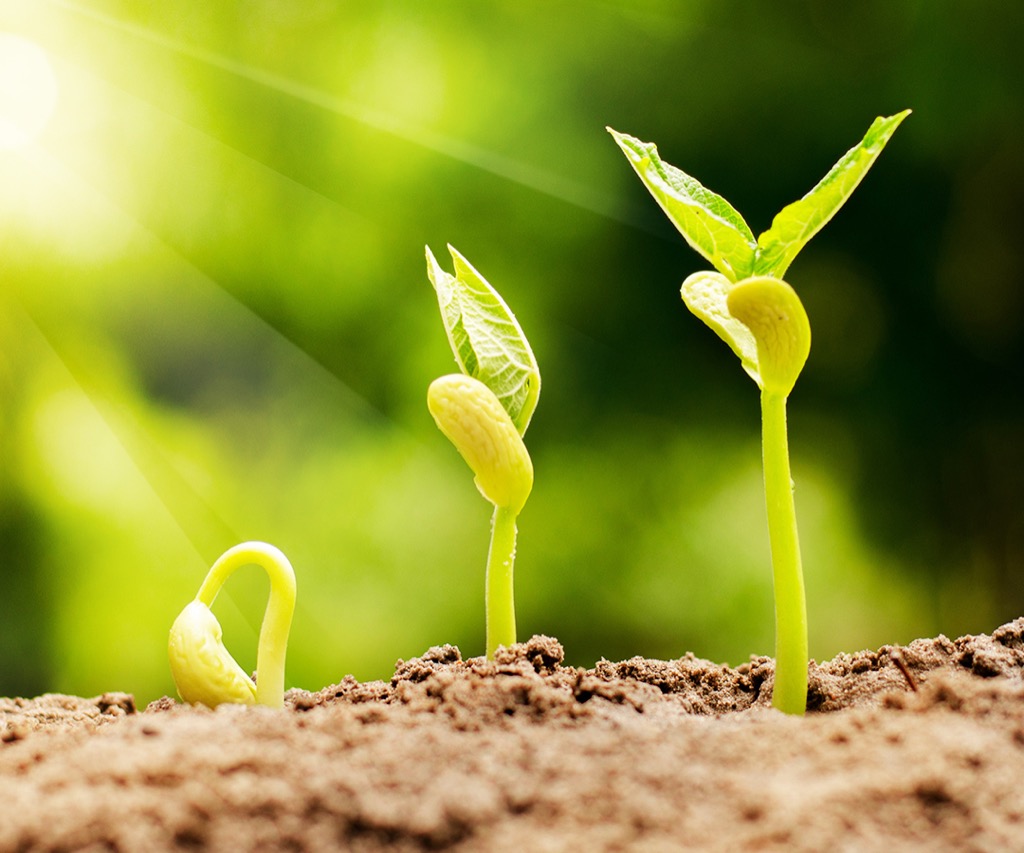
Following the Plant Life Cycle from Start to Finish
With The Plant Life Cycle, students can observe and interact with each stage, from seed to mature plant. They see how environmental factors influence growth and how life cycles repeat to sustain ecosystems.
By manipulating the life cycle themselves, students gain a clearer understanding of:
- Growth and development
- Reproduction in plants
- How life cycles connect across living things
These interactive moments help reinforce life science standards in a way that feels natural and engaging.

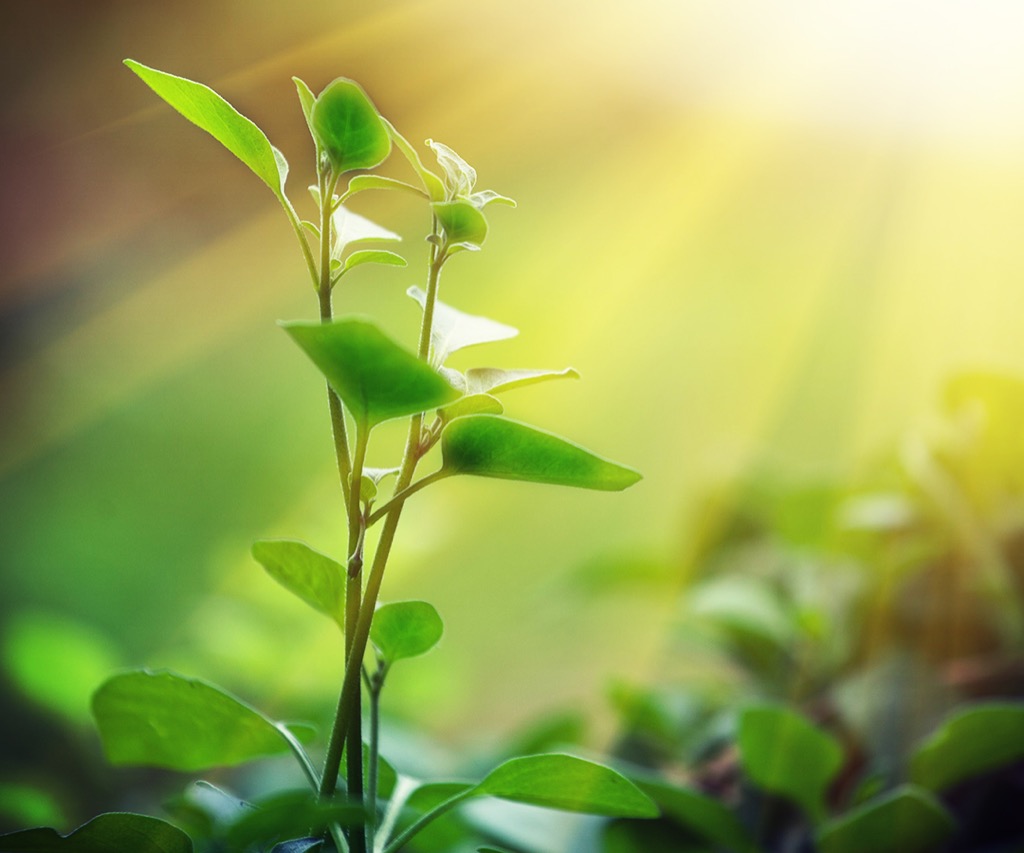
Understanding Photosynthesis: It’s All About Give & Take
In It’s All About Give & Take, Merge Explorer makes photosynthesis visible. Students explore how plants take in sunlight, carbon dioxide, and water, then produce oxygen and energy-rich sugars.
Through hands-on interaction, students begin to see:
- How plants “give” oxygen to the environment
- How animals depend on plants for energy
- Why plants are the foundation of the food web
This experience helps students connect plant biology to their own lives and the world around them.

Exploring Plant–Animal Relationships
Plants don’t exist in isolation. They rely on animals—and animals rely on them.
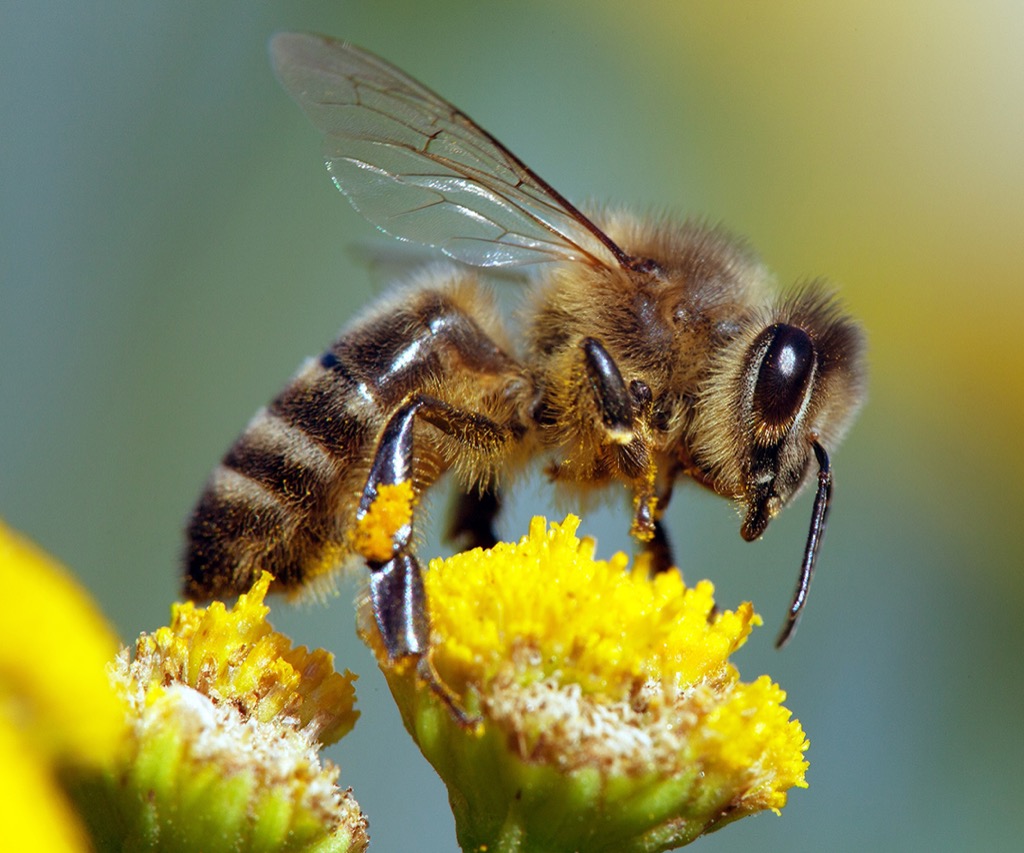
In The Plants and the Bees, students explore pollination and mutualism by observing how plants and animals work together. With the guidance of the activity plan, students will see how bees help plants reproduce and why these relationships are essential for healthy ecosystems and food production.
This experience reinforces key ideas about:
- Interdependence in ecosystems
- Cause-and-effect relationships in nature
- The importance of biodiversity
Students come away with a deeper appreciation for how living things depend on one another.

Activity Plans for Every Grade Level
These plant-focused experiences in Merge Explorer are designed for many grade levels, depending on the activity plan level you select. Each grade-banded activity plan aligns with life science standards for the selected grade level, taking the learning deeper with appropriate context and vocabulary for each age group. Plus, they are editable, so teachers can easily tailor them for their students.
Using devices already in the classroom—iPads, Chromebooks, and tablets—students can explore plant science in a way that feels hands-on, accessible, and memorable.
No complex setup. Just meaningful interaction with core life science concepts.
Helping Students Understand Why Plants Matter
By exploring plant cells, life cycles, photosynthesis, and plant–animal relationships with Merge Explorer, students gain a clearer understanding of why plants matter and how energy flows through ecosystems.
 Merge EDU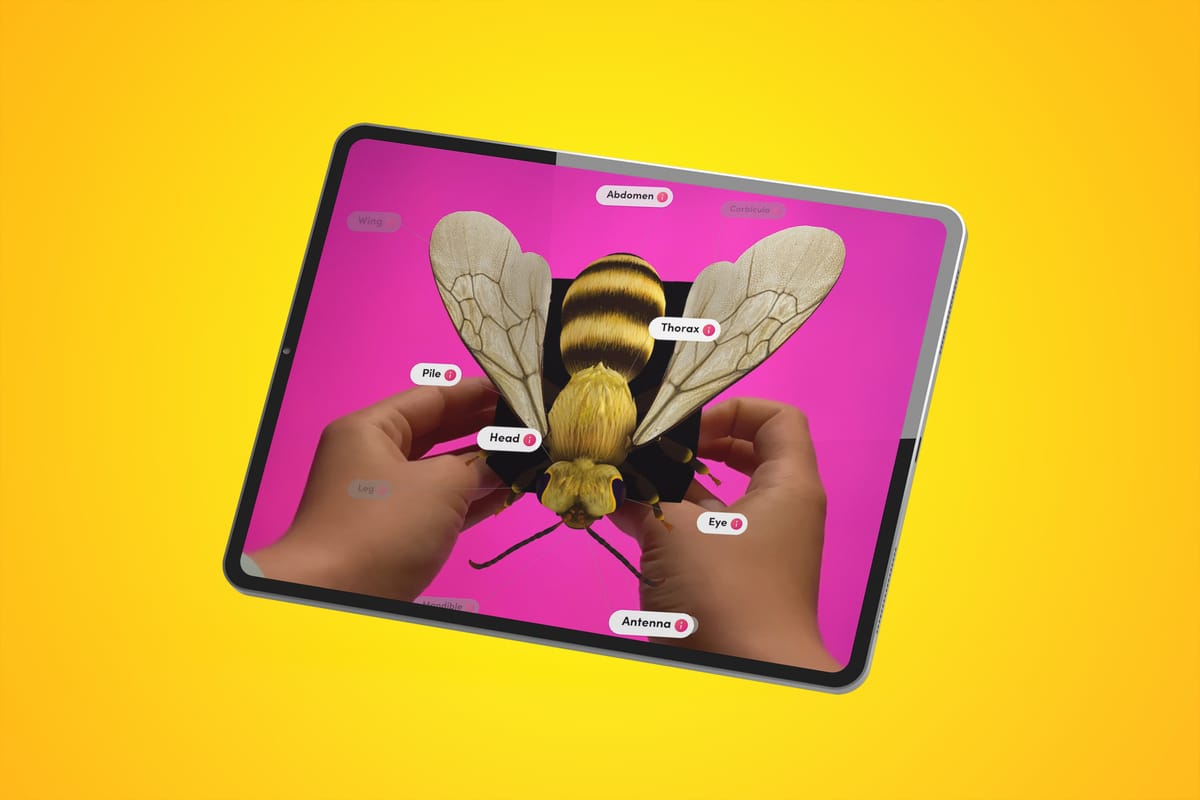
Discover how Merge Explorer brings life sciences to life by unlocking a free trial at trymerge.com.