Exploring Electromagnetic Radiation with Hands-On AR
The Merge Cube does not simply illustrate electromagnetic radiation. It allows students to manipulate and question it.
Light surrounds us every day, yet it remains one of the most abstract concepts students encounter in science class. It streams through classroom windows, reflects off surfaces, and carries images, energy, and information across unimaginable distances. But when students are asked what light actually is, the answers often feel uncertain.
Is it a particle? A wave? Why does it bend? Why does it change color? How can it travel through empty space?
These questions sit at the heart of electromagnetic radiation, and they can be difficult to grasp through static diagrams alone. With Merge EDU’s Instruments of Light simulations in the Merge Explorer app, students don’t just read about light — they manipulate it. They experiment with it. They engineer it. And in doing so, they transform an invisible phenomenon into something tangible and interactive.
Seeing Color as a Wave
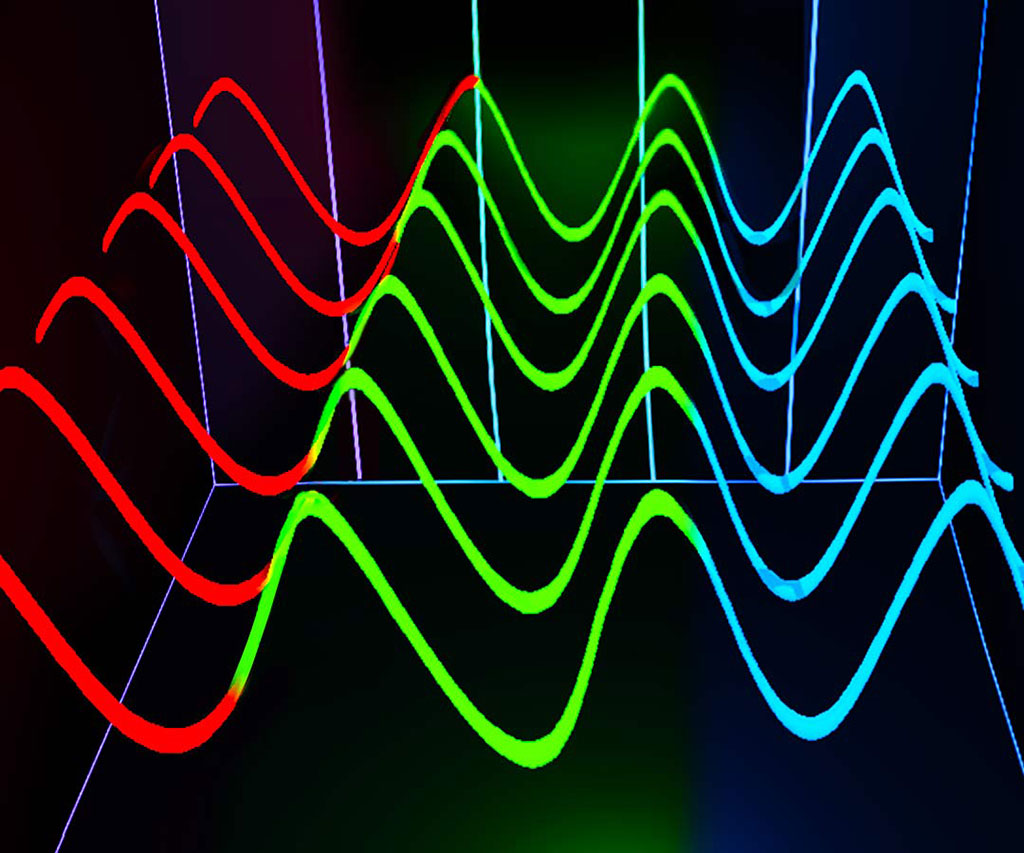
One of the most powerful shifts happens when students begin to understand that light behaves like a wave. In textbooks, wavelength is often reduced to a labeled diagram: long waves are red, short waves are blue or violet. While technically correct, this explanation rarely builds intuitive understanding.
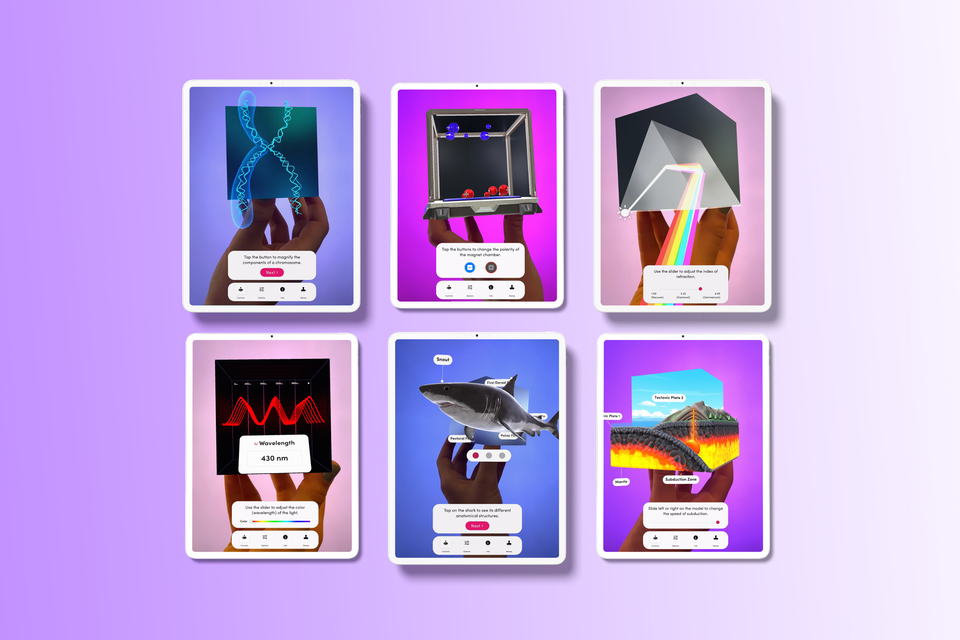
Inside the Colors of Light activity, students become “light engineers.” As they adjust wavelength in real time, the color shifts instantly. When the waves stretch farther apart, the light glows red. As the waves compress and tighten, the color transitions toward violet. Instead of memorizing that color depends on wavelength, students watch the relationship unfold before their eyes.
Holding the Merge Cube while manipulating wave properties creates a powerful connection between physical motion and scientific concept. Students rotate the cube, inspect the wave peaks and troughs, and experiment freely. Almost immediately, deeper questions surface. If violet has shorter wavelengths, what lies beyond it? Is there light humans cannot see? How does wavelength relate to energy?
In that moment, the conversation moves beyond vocabulary and into inquiry.

Bending Light with the Index of Refraction
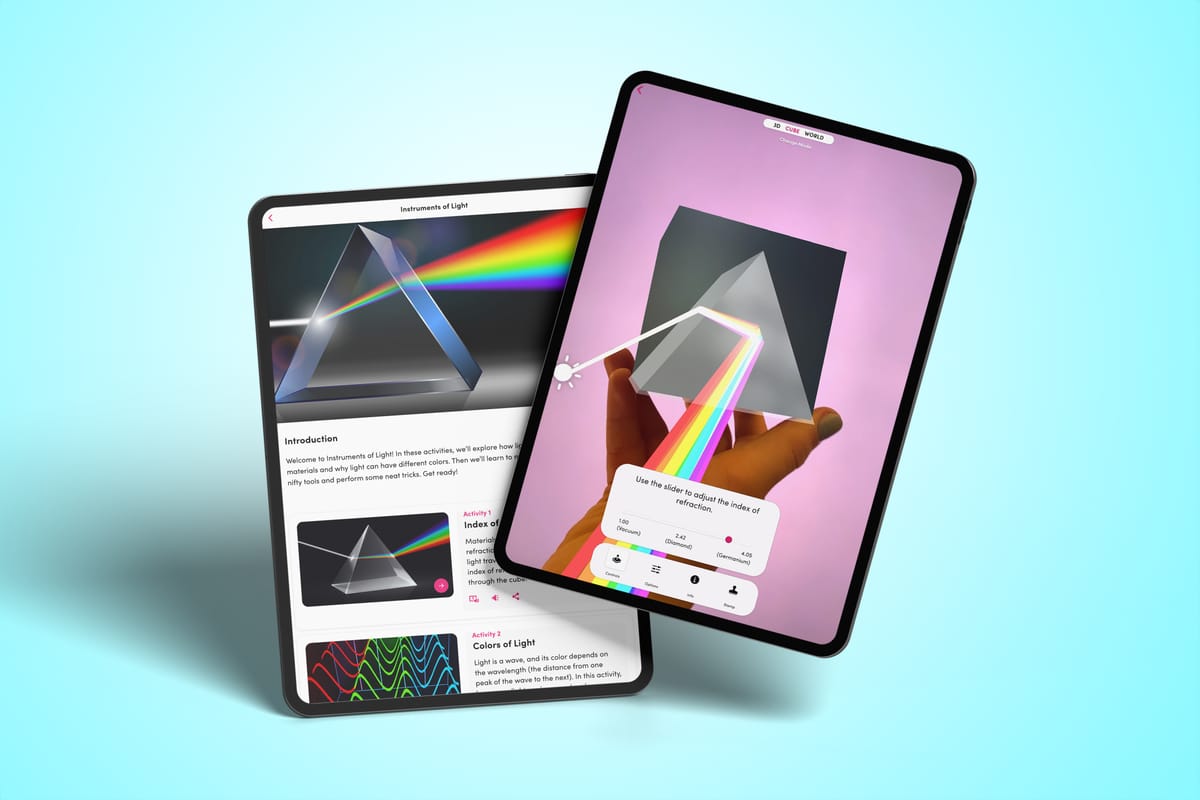
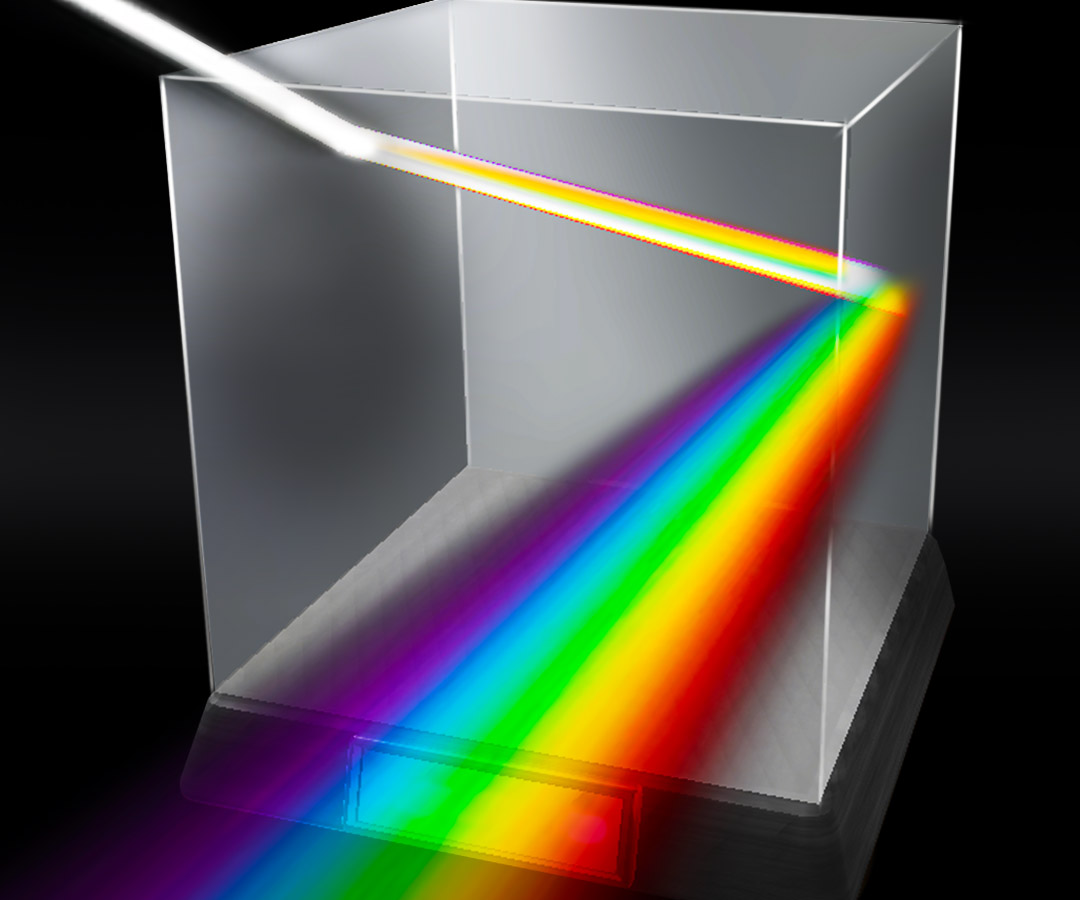
Few classroom demonstrations capture attention like a straw appearing bent in a glass of water. The phenomenon sparks curiosity, but explaining why it happens can feel abstract. The concept of index of refraction — a number describing how fast light travels through a material — often remains disconnected from student understanding.
With Merge EDU’s Index of Refraction simulation, students take control of the material itself. As they adjust the index value, they watch a beam of light bend as it enters the medium inside the cube. Increasing the index slows the light down, and the angle shifts more dramatically. Decreasing it allows the beam to pass more directly.
Because the feedback is immediate and visual, the relationship becomes clear. Students are not memorizing a formula; they are observing cause and effect. They begin to predict outcomes before adjusting values. They test their hypotheses. They refine their thinking.
The experience engages more than sight. Students hold the cube, move it, examine the angles from different perspectives. The multisensory interaction makes the concept stick in a way flat diagrams rarely achieve.

Why Light Travels Through Space
Another conceptual breakthrough occurs when students compare light waves to sound waves. Many assume all waves require something to move through. Sound, after all, cannot travel without air or another medium. Remove the air, and the sound disappears.
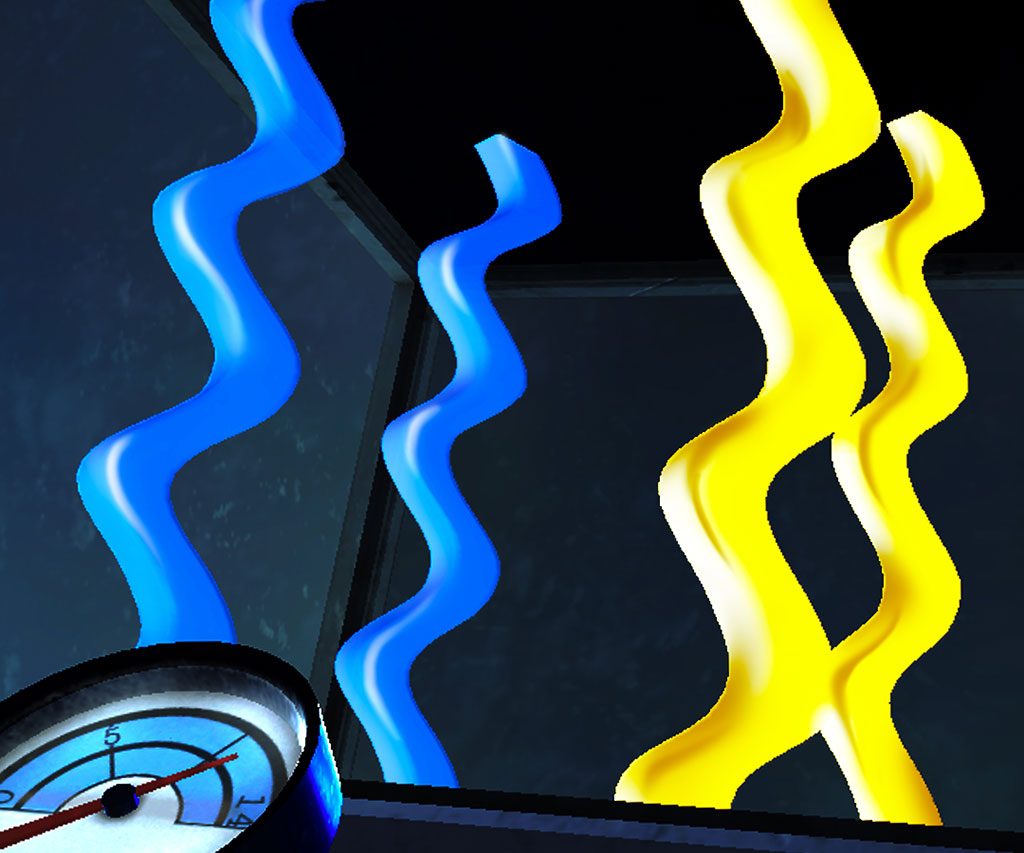
In the Waves in Space activity, students experiment with this difference directly. As they create a vacuum environment, sound waves fade away. Light waves, however, continue traveling without interruption. The contrast is immediate and striking.
Suddenly, the silence of space makes sense. The reason we can see distant stars becomes clear. Students begin connecting the simulation to astronomy, satellite communication, and the transmission of energy across the universe.
By visually contrasting light and sound in augmented reality, the distinction between mechanical and electromagnetic waves becomes intuitive rather than theoretical.
Turning Abstract Physics into Investigation
Electromagnetic radiation often feels like advanced physics, but it doesn’t have to be intimidating. When students can manipulate waves, bend beams, and test environments themselves, the language of wavelength, frequency, and refraction becomes meaningful.
Merge EDU engages students in STEM and science with digital 3D objects and simulations they can touch, hold, and interact with. The Instruments of Light activities provide a powerful example of how abstract and complex science concepts can come to life in the palm of a student’s hand.
Instead of passively absorbing information, learners investigate. They experiment and collaborate around the cube, comparing observations and debating predictions. The physical act of holding the simulation invites discussion and shared discovery.
And perhaps most importantly, wonder drives the lesson forward.

Why It Matters
Understanding light is not just about meeting a standard. It is foundational to the modern world. Fiber optics power global communication. Lasers enable medical procedures. Telescopes capture images from deep space. Solar panels convert light into energy.

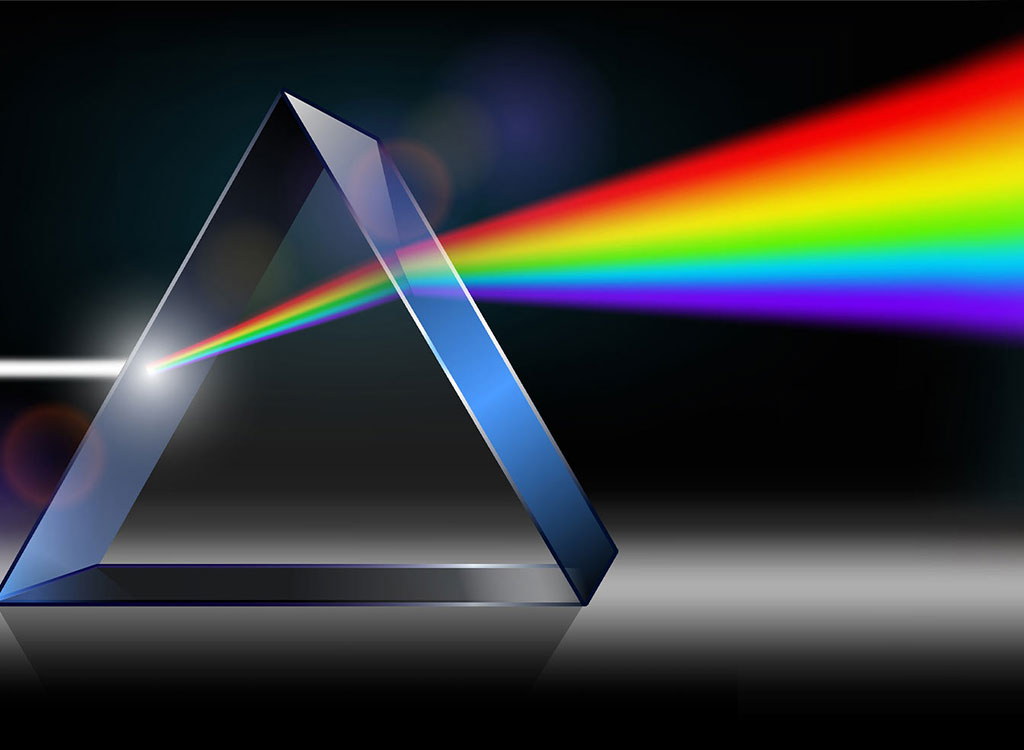
When students grasp how light behaves — how it bends, how it changes color, how it travels through empty space — they begin to see science not as isolated facts, but as a framework for understanding.
The Merge Cube does not simply illustrate electromagnetic radiation. It allows students to manipulate and question it. And when learners hold light in their hands, the invisible becomes understandable.
That is when science moves from abstract to unforgettable.