Exoskeletons Up Close: Exploring Arthropods with Merge Object Viewer
When students understand what defines arthropods and how scientists classify them, they begin to see the structure and logic behind biological diversity.
Arthropods are everywhere.
They crawl across sidewalks, pollinate flowers, swim in oceans, and even live in the soil beneath our feet. In fact, arthropods make up the largest and most diverse group of animals on Earth. And yet, despite their abundance, students often struggle to understand what truly defines them.
🕷️ Is it the number of legs?
🪲 The presence of wings?
🦀 Their body segments?
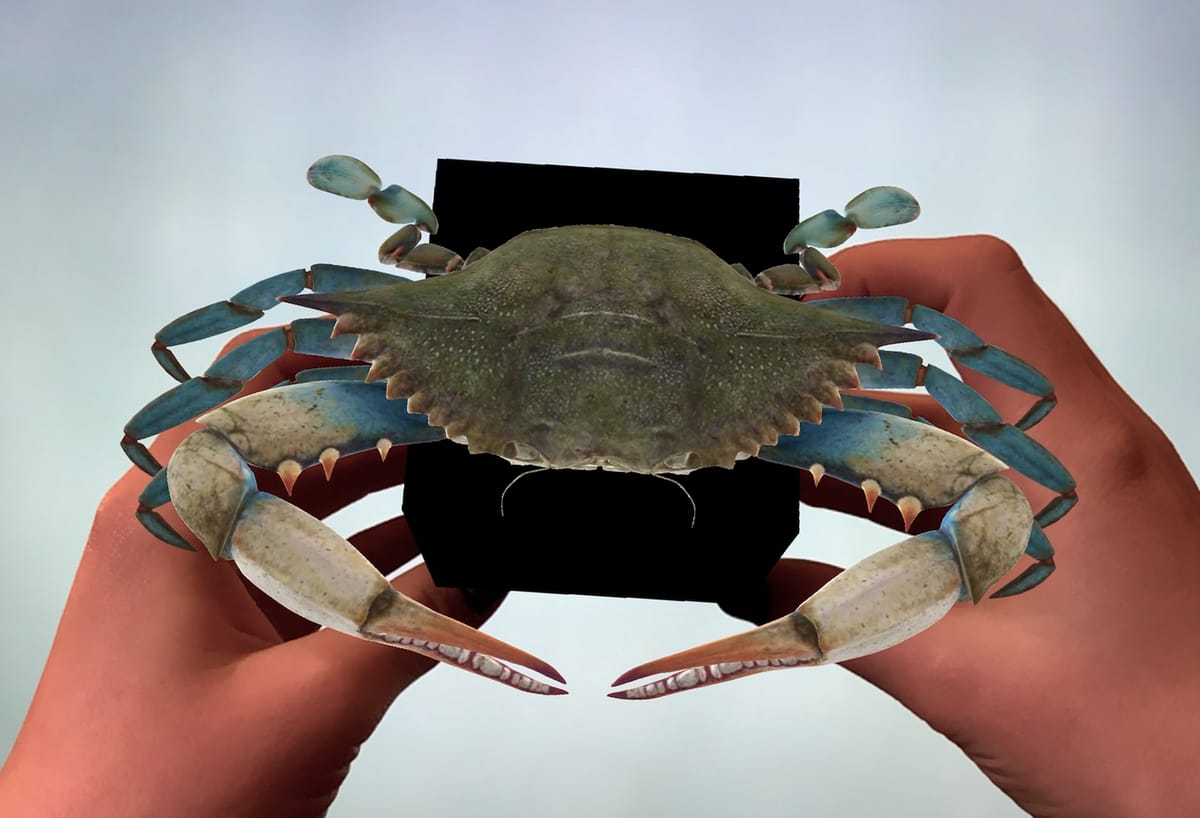
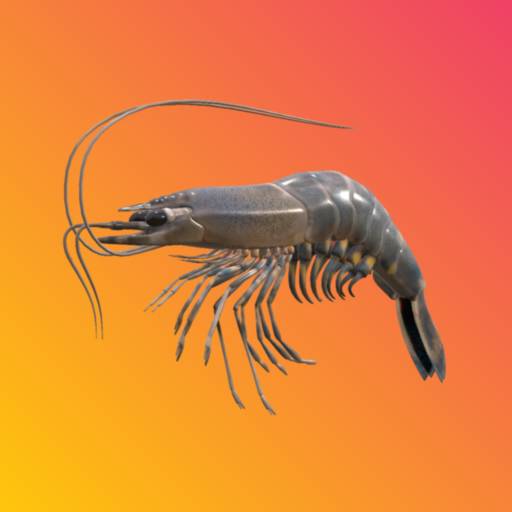
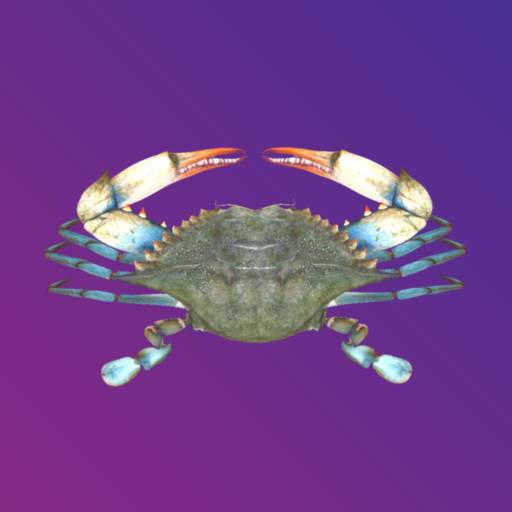
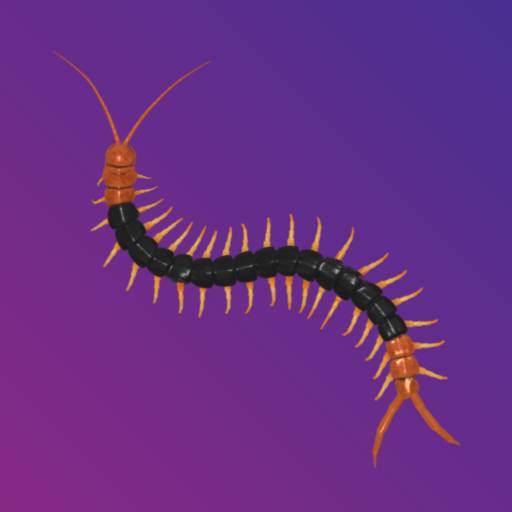
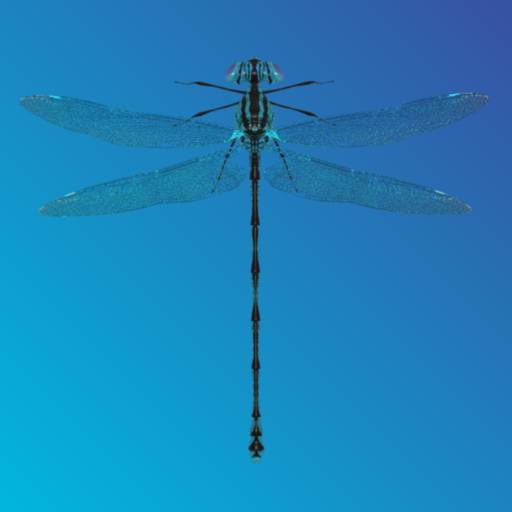
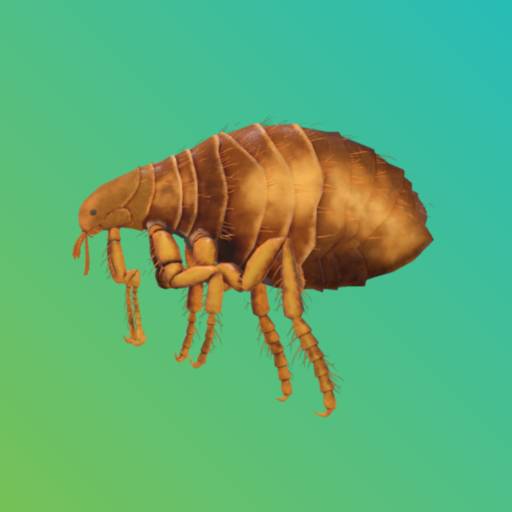
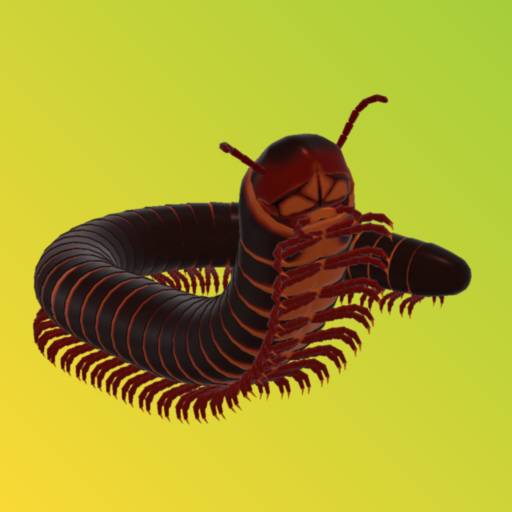
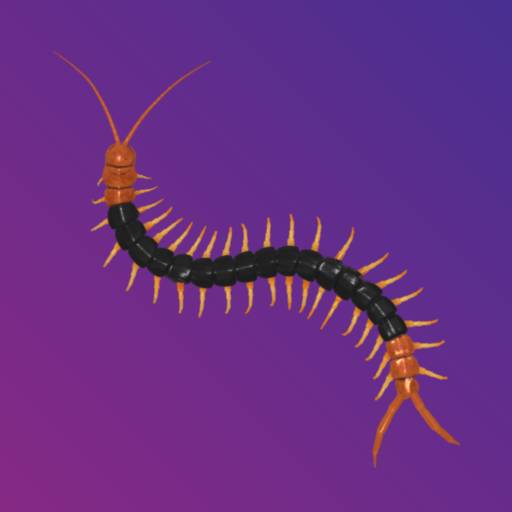
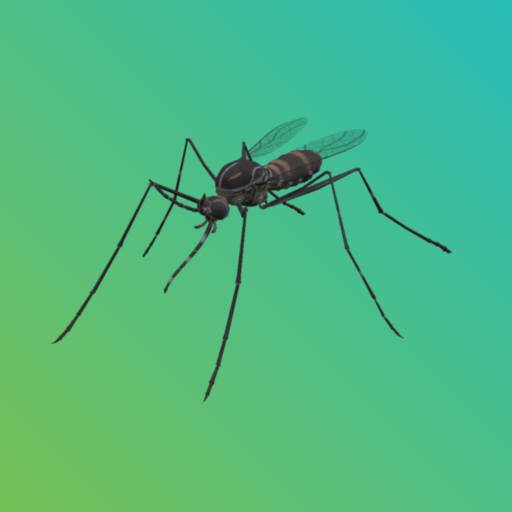
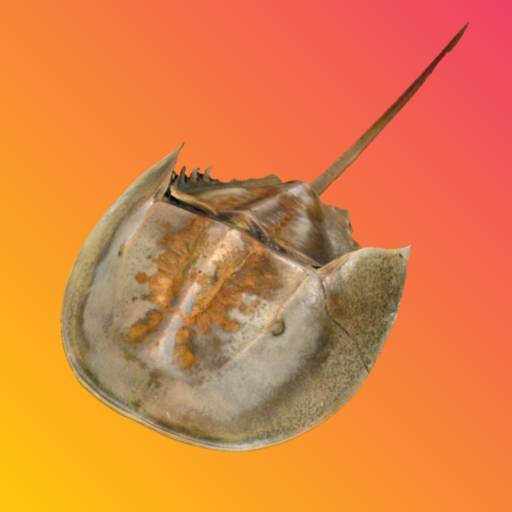
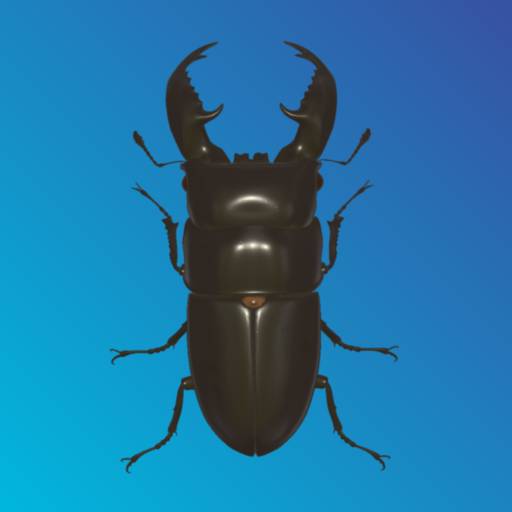
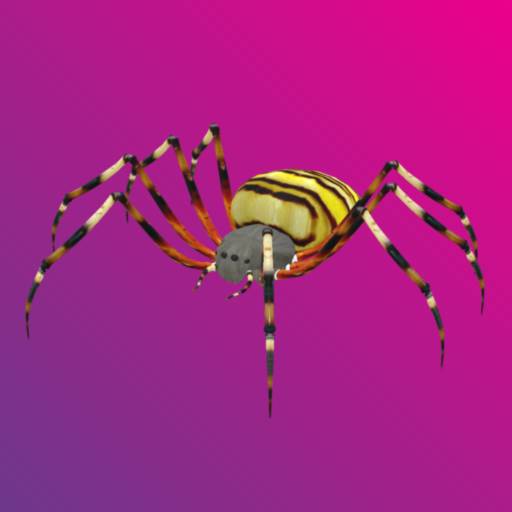
With the Arthropods collection in Merge Object Viewer (Collection Code: P45NJK), students don’t just look at pictures of insects and crustaceans. They hold them. Rotate them. Inspect their anatomy from every angle. They begin comparing features and discovering what unites this incredibly diverse group of organisms.
And in the process, classification becomes an investigation rather than a memorization task.
0:00
/0:13
Discovering What Makes an Arthropod
When students first explore arthropods in textbooks, they often encounter a long list of vocabulary: exoskeleton, segmented body, jointed appendages, molting. While important, these terms can feel abstract without meaningful visualization.
Merge Object Viewer changes that experience.
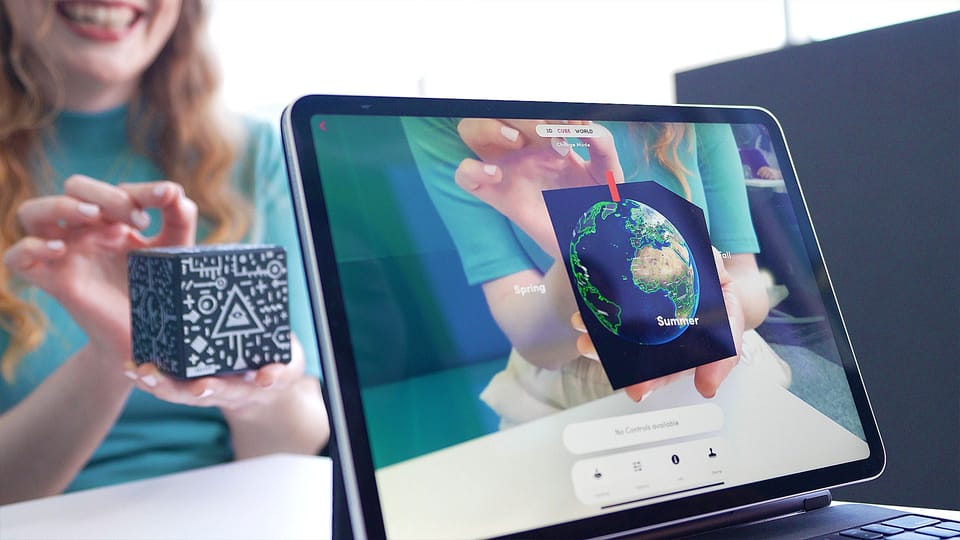
As students launch the Arthropods collection and point their device at the Merge Cube, detailed 3D models appear in the palm of their hand. They can rotate a crab to inspect its jointed legs. They can zoom in on the body segments of an insect. They can examine the curved exoskeleton of an arachnid.
Instead of being told that arthropods have jointed appendages, students can see the joints bend. Instead of memorizing that they possess exoskeletons, they can visually distinguish the hard outer covering from internal skeletal structures in other animal groups.
The features that define arthropods become more obvious through observation.
Comparing and Contrasting Across Species
One of the most powerful aspects of this collection is the opportunity to compare and contrast organisms within the same phylum.
Students quickly notice differences. Some arthropods have six legs. Others have eight. Some have wings. Some live underwater. Some have antennae; others do not.
But as students rotate and inspect each model, patterns begin to emerge. Segmented bodies repeat across species. Jointed legs appear again and again. The exoskeleton remains a constant trait.
This hands-on augmented reality experience helps students understand how classification works. They begin to grasp that scientists group organisms not by superficial traits, but by shared structural characteristics.
By holding and manipulating each model, students strengthen their ability to analyze anatomical structures and identify defining features — a foundational skill in life science.
0:00
/0:19
Making Microscopic and Small-Scale Life Visible
Many arthropods are small. Some are easily overlooked. Studying them in a classroom setting can be limited by specimen availability, preservation concerns, or magnification tools.
Merge Object Viewer provides the equivalent of thousands of dollars’ worth of digital teaching aids, allowing students to visualize life science concepts anytime and anywhere. The Arthropods collection enlarges these organisms, making intricate details visible and accessible.
Students can zoom in on body segmentation. They can inspect compound eye placement. They can observe the articulation points of legs and claws.
The ability to scale and rotate the models allows learners to interact with anatomy in ways that physical specimens often cannot provide. And because the Merge Cube provides a multisensory learning experience, students engage visual, tactile, and kinesthetic senses simultaneously.
As students explore the collection, natural questions arise.
Why do arthropods molt?
How does an exoskeleton protect the organism?
Why are arthropods so evolutionarily successful?
How do jointed appendages contribute to movement efficiency?
These questions open doors to deeper discussions about adaptation, survival, ecosystems, and biodiversity. The collection becomes more than a set of models — it becomes a catalyst for inquiry.
Students may begin grouping arthropods into insects, arachnids, crustaceans, and myriapods based on observable features. They might hypothesize about habitats based on anatomical adaptations. They may connect structure to function, analyzing how body design supports survival.
Because they are actively manipulating the models, their observations feel personal and authentic.
Understanding arthropods is foundational to life science. These organisms play essential roles in ecosystems as pollinators, decomposers, predators, and prey. They influence agriculture, medicine, and environmental health.
When students understand what defines arthropods and how scientists classify them, they begin to see the structure and logic behind biological diversity.
Merge EDU engages students in STEM and science with digital 3D objects they can touch, hold, and interact with. The Arthropods collection demonstrates how abstract vocabulary and classification systems can become concrete through hands-on augmented reality.
Instead of memorizing definitions, students observe evidence and investigate.
Instead of seeing arthropods as only “bugs,” they begin to recognize them as one of the most successful animal groups in Earth’s history.
Ready to bring arthropod anatomy to life in your classroom?
Open Merge Object Viewer and enter Collection Code P45NJK to explore the Arthropods collection — and let your students discover what truly makes this group of animals so diverse and remarkable.