Celebrate International Mountain Day with Merge EDU on December 11
Empower your students to explore Earth’s most awe-inspiring structures—right in the palm of their hand.
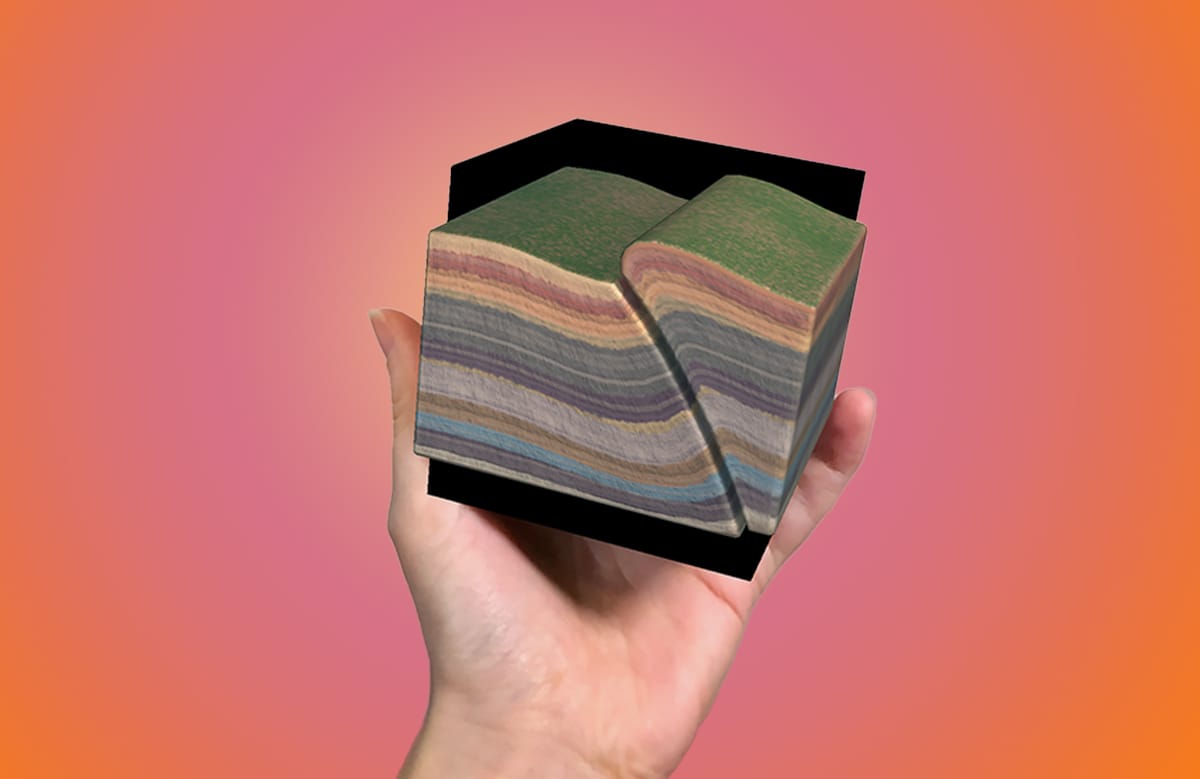
Every year on December 11, classrooms around the world recognize International Mountain Day, dedicated to celebrating the breathtaking landscapes, diverse ecosystems, and powerful geological forces that shape our planet’s mountains. Mountains are like windows into Earth’s history, tectonic activity, and the natural processes that build, fold, carve, and transform the landscapes around us.
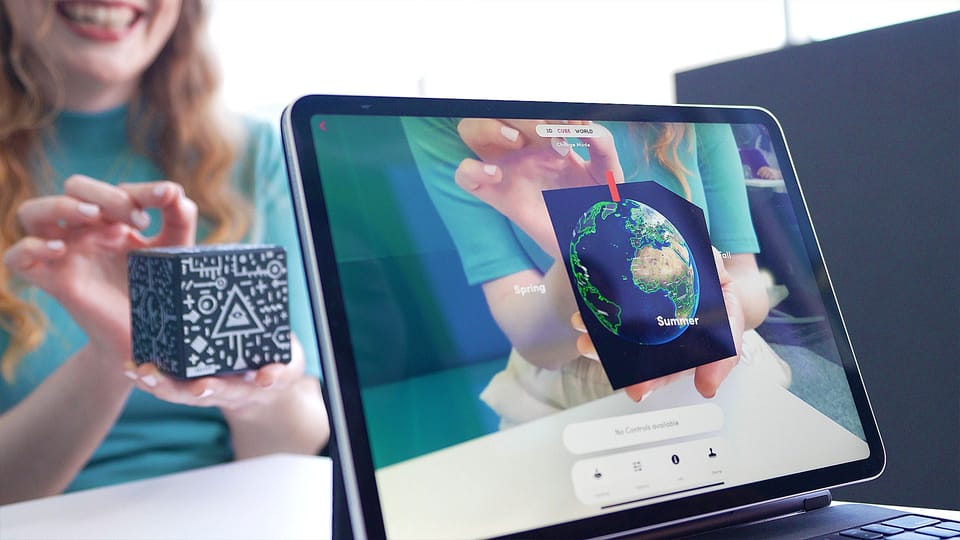
With Merge EDU, teachers can make this day memorable. Students can hold mountains in their hands, turn geological formations upside down, peel back layers of rock, and visualize plate tectonics in real time. The Merge Cube turns Earth science into hands-on explorations, and International Mountain Day becomes the perfect moment to help students see the planet from a completely new perspective.
Students can Move Mountains
Using the Merge Object Viewer Geology Collection, students can explore a rich collection of geologic and mountain-related 3D models in the palm of their hands—each offering a detailed, manipulatable view of the structures that shape iconic peaks and landforms.

Students can investigate objects like:
- Half Dome – demonstrating intrusive igneous formations and glacial carving
- Uluru – while not a true mountain, a sandstone monolith revealing weathering and desert erosion
- Devils Tower – showcasing volcanic necks and columnar jointing
- Merrick Butte – not a mountain but a butte, highlighting sedimentary layering and uplift
- Red Mountains – showing how erosion exposes ancient rock
- Inclined Plane, Faults, Folds, and Stressed Planes – letting students observe the structural mechanics beneath mountain ranges
When students rotate these models, zoom in on the details, and compare one formation to another, they can see mountains as dynamic records of Earth’s geologic past.
 Merge EDU
Where Mountains Begin: Plate Tectonics in AR
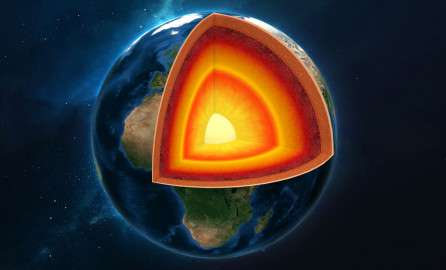
At the heart of most mountain systems is tectonic activity. With the Merge Explorer app, Terraforming Earth topic card, students can visualize applied geoscience concepts such like:
- Layers of the Earth
- Plate Tectonics
- Subduction zones
- Anatomy of a volcano

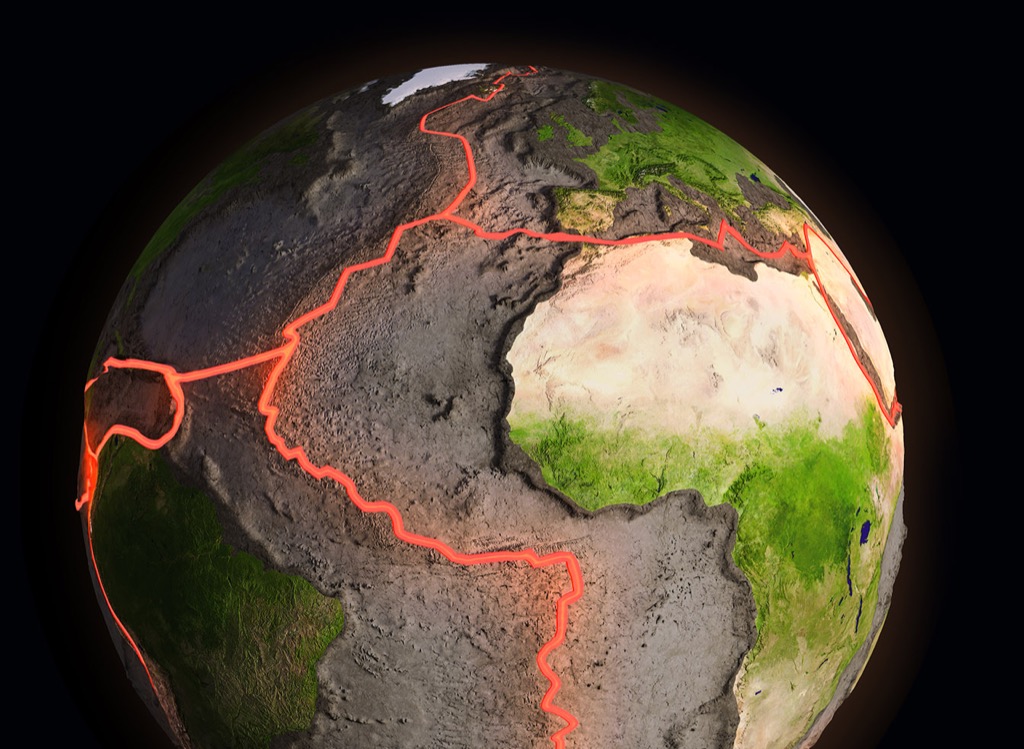
With these models, students can trace how mountains are formed:
→ Subduction creates volcanic arcs
→ Colliding plates produce folded mountain belts
→ Tension and shear forces create faults that uplift rock layers
→ Hotspots carve volcanic mountain landscapes
By exploring each model hands-on, students can begin to understand how the Himalayas, Andes, Rockies, and Alps were formed—turning textbook diagrams into real, spatial understanding. And the activity plans provided help teachers integrate easily into lessons.
Rocks Tell a Story
International Mountain Day is also an ideal moment to help students explore the rock cycle and understand how different rock types appear in mountain environments. With the Rocks and Minerals collections in Merge Object Viewer.
 Merge EDU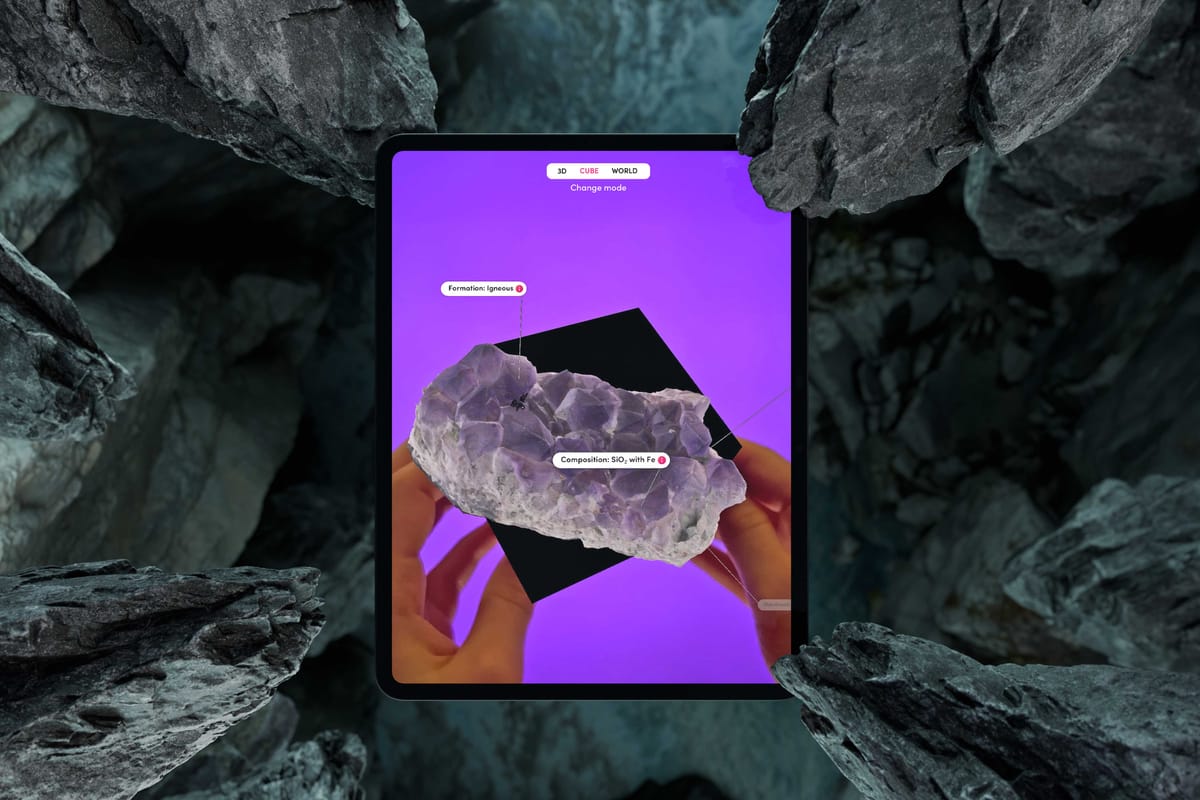
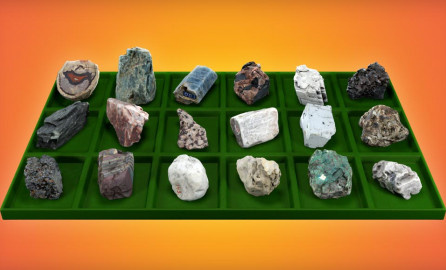
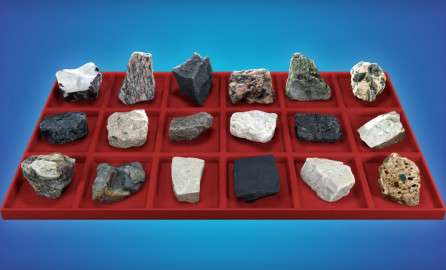
Students can closely examine:
- Granite & Gneiss – common in continental crust and ancient mountain cores
- Limestone & Sandstone – sedimentary rocks uplifted into dramatic cliffs and ridges
- Slate, Quartzite, and Pelite – metamorphic rocks formed through heat and pressure
- Rhyolite & Tuff – volcanic rocks tied to explosive eruptions and igneous mountain systems
The ability to turn each sample in 3D, inspect textures, and compare them side by side helps students understand the origins of modern mountain landscapes.


Mountains Matter
Mountains are essential to understanding climate, weather, water cycles, erosion, biodiversity, and plate tectonics. They provide:
- 60–80% of the world’s freshwater
- Home to over 25% of all land-based biodiversity
- Examples of every major rock type and geologic process
With Merge EDU, students gain the rare opportunity to bring these massive geological structures down to a size they can explore intimately—building STEM literacy through hands-on AR exploration.
Bring Mountains Life on December 11
Whether studying global tectonics, rock formations, or the iconic landforms found in your Object Viewer collection, Merge EDU makes International Mountain Day an engaging, immersive, and unforgettable experience.
Start today at trymerge.com.