Bringing Complex Concepts to Life in High School with Merge EDU
By using AR as part of everyday learning, students aren’t just mastering science content—they’re building comfort with future-facing technology.

High school classrooms are where learning shifts. Students move from memorizing facts to grappling with systems, structures, and ideas that don’t always fit neatly on a page. Whether it’s visualizing molecular bonds in chemistry, understanding forces in physics, or analyzing Earth systems in environmental science, many high school concepts are abstract by nature—and that abstraction can become a barrier to understanding.
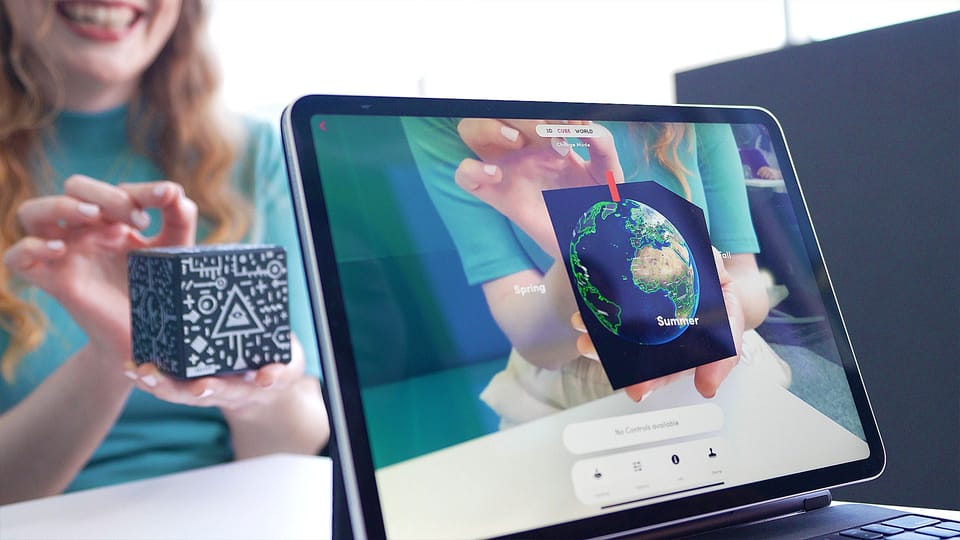
Merge EDU helps remove that barrier by giving students something powerful and simple: the ability to hold complex ideas in their hands.
When Abstract Becomes Tangible
In a typical high school science class, students are often asked to imagine things they can’t see—atomic structures, cellular processes, geological layers, or global climate patterns. Diagrams and videos help, but they’re still passive.
With Merge EDU and the Merge Cube, those same concepts become interactive. Students can:
- Examine a DNA molecule from every angle
- Hold a virtual heart and explore blood flow in real time
- Investigate plate tectonics and seismic activity on a 3D Earth
- Manipulate physics simulations to see forces and motion in action
This shift from “watching” to interacting changes how students engage. Learning becomes active, exploratory, and discussion-driven—especially valuable for older students who benefit from autonomy and inquiry-based instruction.
 Merge EDU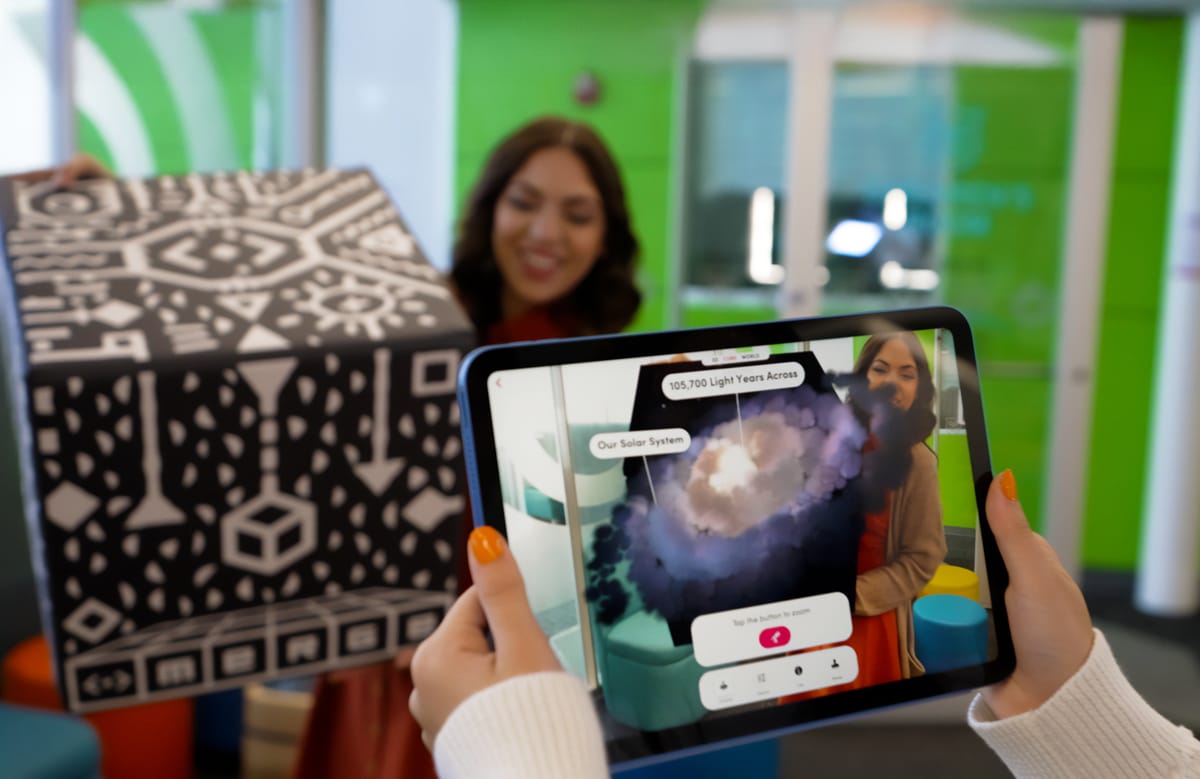
Built for Real High School Classrooms
Merge EDU isn’t designed as a novelty or one-off demo. It’s built to integrate into the realities of high school schedules, standards, and instructional goals.
High school teachers use Merge EDU to:
- Supplement core instruction without replacing existing curriculum
- Support NGSS and state science standards
- Differentiate learning for varied skill levels and learning styles
- Create lab-style experiences without additional materials or setup
Because Merge activities are short, flexible, and device-based, they work just as well in a 50-minute class period as they do in block scheduling, intervention periods, or enrichment time.
 Merge EDU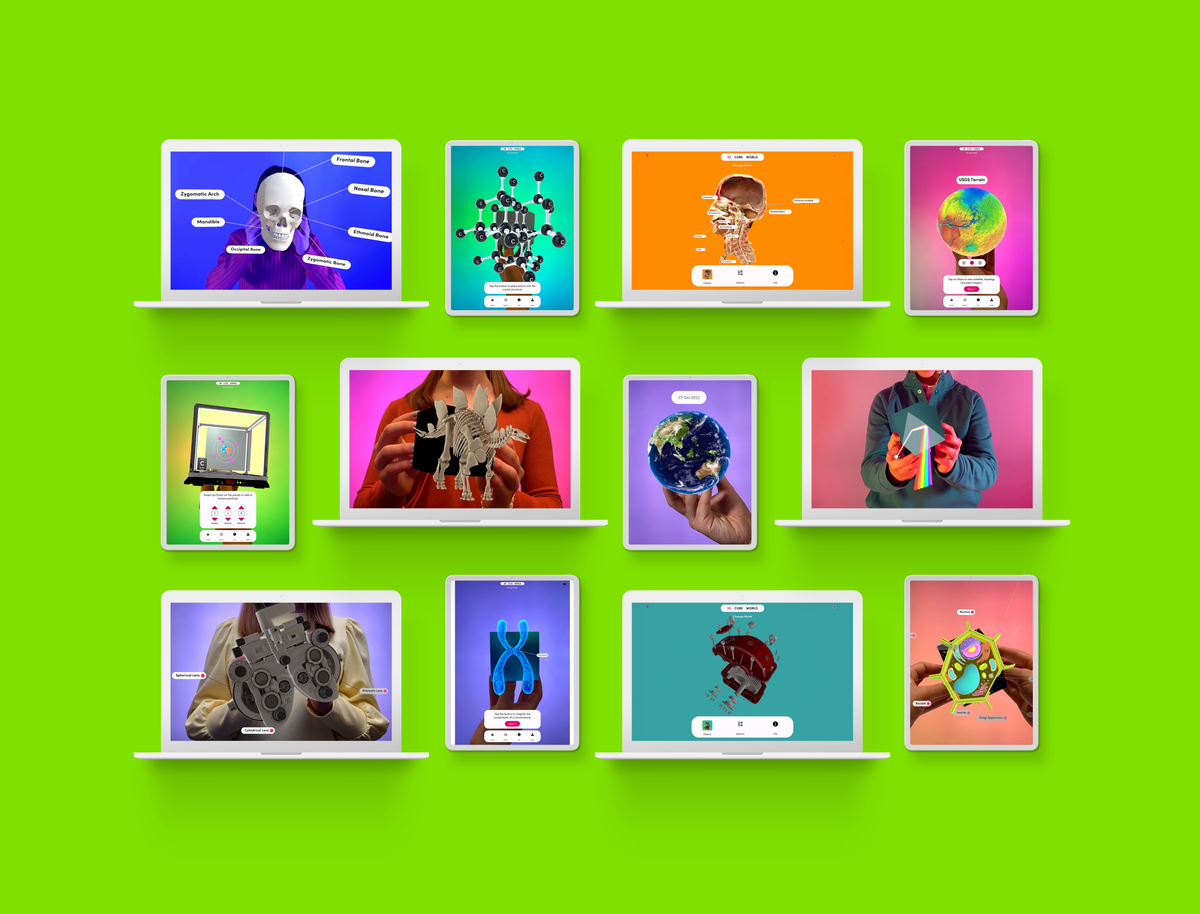
Strong Connections to STEM Pathways and Careers
As students move closer to graduation, relevance matters. Merge EDU helps connect classroom learning to real-world applications and future careers.
Through interactive simulations and 3D visualization, students explore concepts tied to:
- Biomedical and health sciences
- Engineering and design processes
- Environmental and Earth sciences
- Data interpretation and scientific modeling
With tools like 3D model uploads and scanning, students can even bring their own creations into augmented reality—previewing designs, iterating on ideas, and developing spatial reasoning skills that translate directly to STEM fields.
 Merge EDU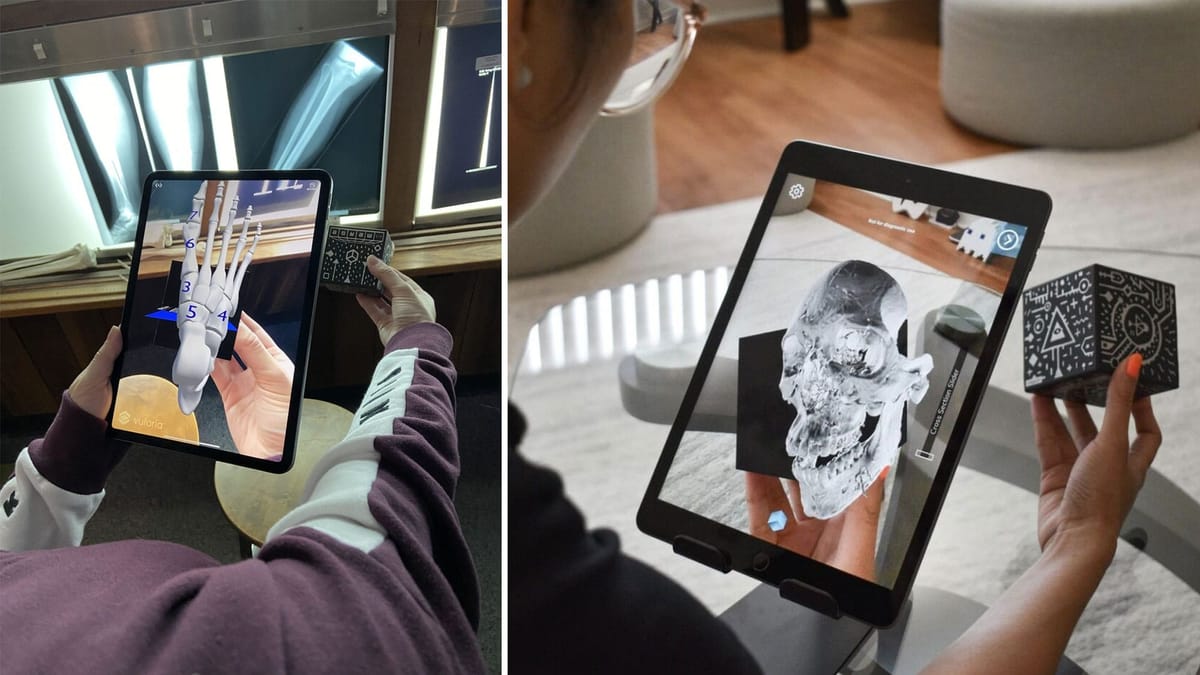
Supporting Deeper Thinking and Student Voice
High school learning isn’t just about content mastery—it’s about explanation, reasoning, and communication. Merge EDU supports this shift by encouraging students to describe what they see, explain what’s happening, and defend their thinking.
Students often work in pairs or small groups, naturally prompting:
- Academic discussion and peer teaching
- Hypothesis testing and observation
- Verbal explanations of complex systems
For teachers, this provides clearer insight into student understanding than a worksheet ever could.
 Merge EDU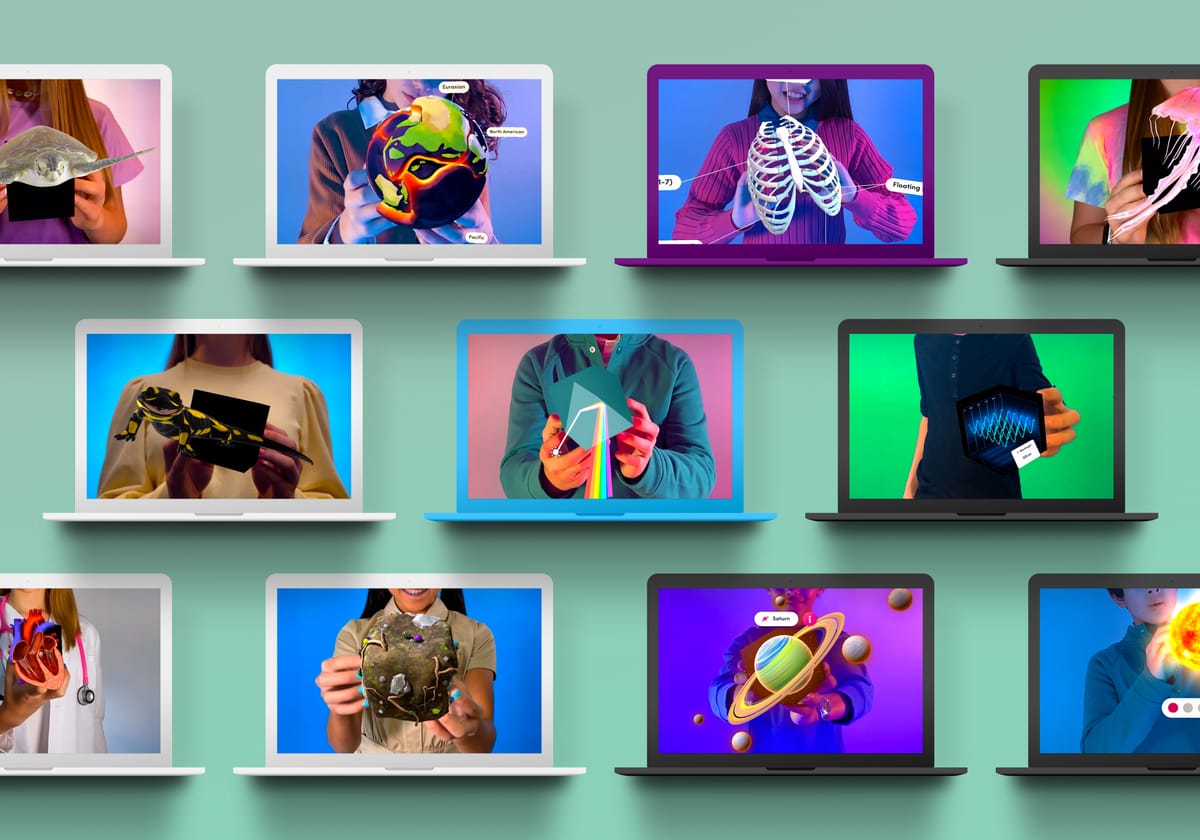
A Tool Students Actually Want to Use
High school students are quick to disengage from tools that feel forced or outdated. Merge EDU feels different because it gives them control. They choose how to explore, where to zoom in, and what questions to ask next.
The result is something educators consistently notice:
⚡️ Students lean in.
⚡️ They ask better questions.
⚡️ They stay engaged longer.
That kind of engagement is hard to manufacture—and easy to recognize when it’s real.
 Merge EDU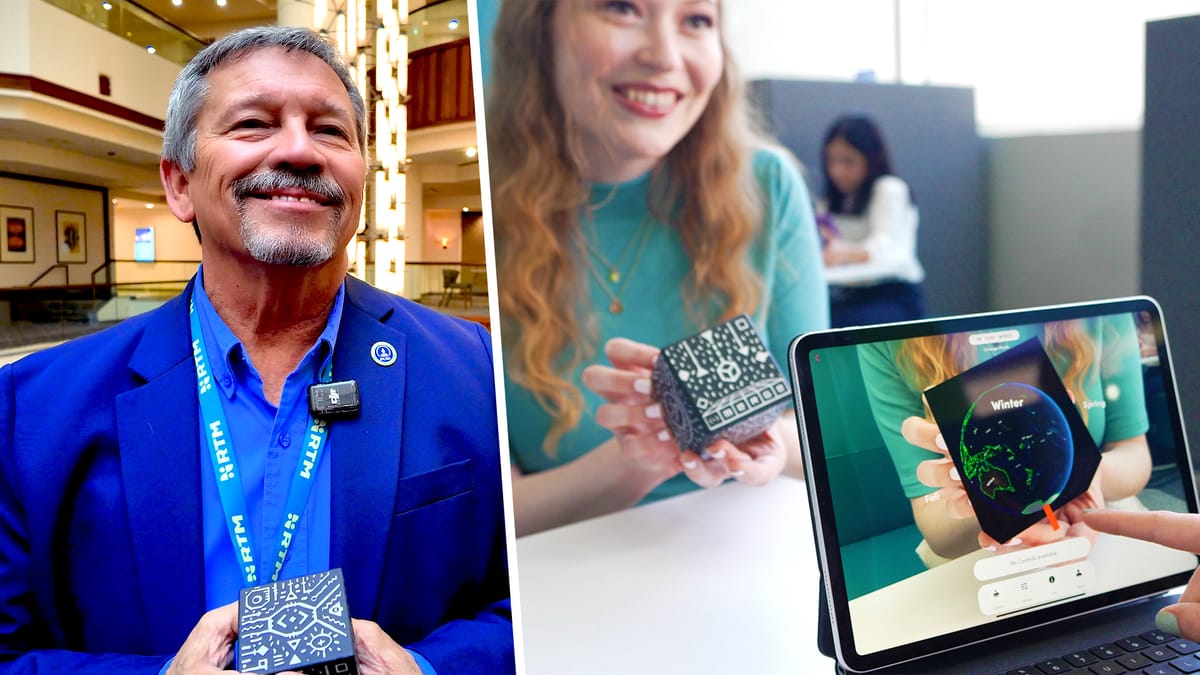
Preparing Students for What Comes Next
Augmented reality isn’t just an educational trend. It’s increasingly used in medicine, engineering, architecture, and research. By using AR as part of everyday learning, students aren’t just mastering science content—they’re building comfort with future-facing technology.
Merge EDU helps high schools:
- Modernize science and STEM instruction
- Offer hands-on experiences without costly lab equipment
- Prepare students for postsecondary learning and careers
And it does it with tools that are intuitive, flexible, and classroom-tested.
Ready to bring hands-on augmented reality to your high school science and STEM programs?
Explore Merge EDU and see how students can start holding complex ideas in their hands at trymerge.com.