Bringing Botany to Life: Exploring Flowers in the Modern Science Classroom
Because in a modern science classroom, students shouldn’t just label the parts of a flower.
Walk into an elementary or middle school science classroom during a life science unit, and you’ll likely see diagrams of flowers taped to whiteboards. Petals labeled. Arrows pointing to the pistil and stamen. Vocabulary words copied into notebooks.
Now imagine instead that each student is holding a flower in the palm of their hand—rotating it, zooming in, peeling back its layers to see what’s happening inside.

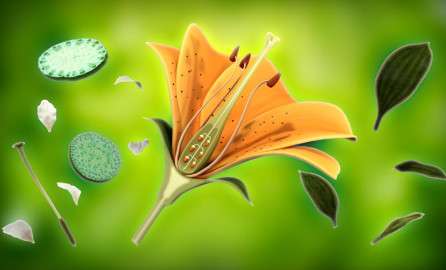
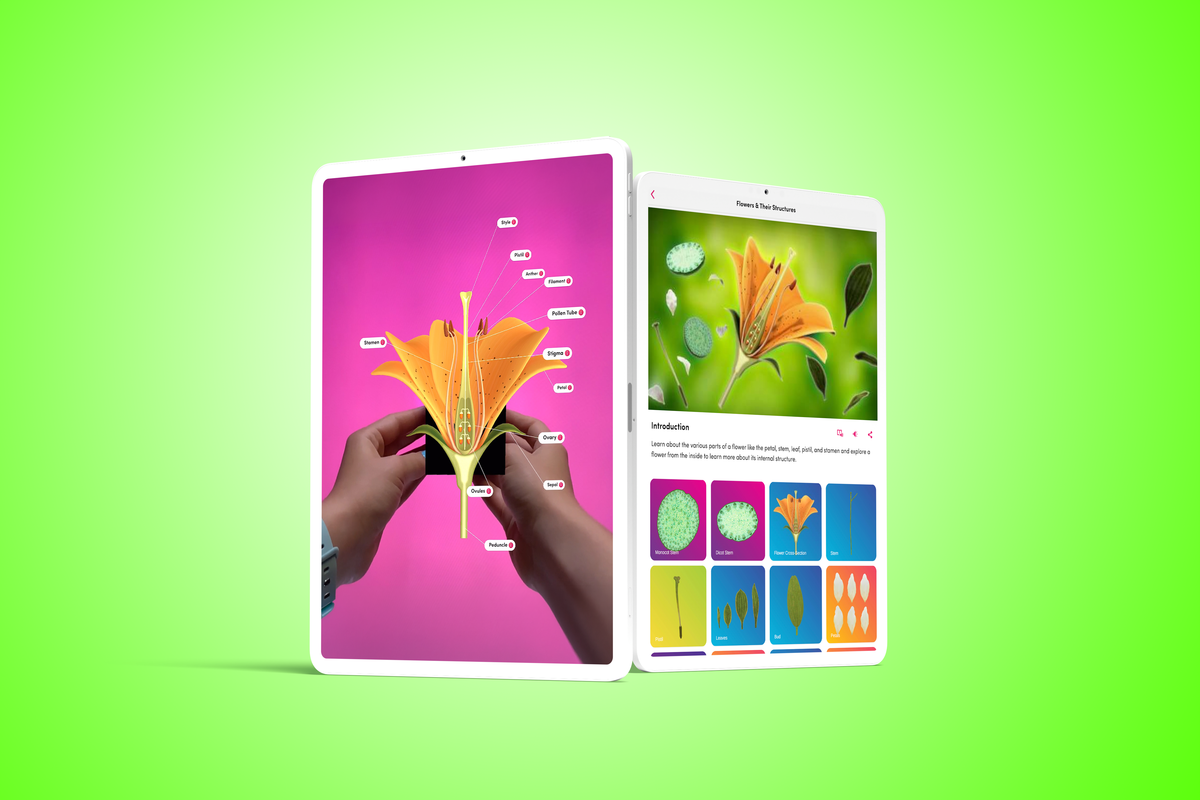
With the Flowers & Their Structures collection (Collection Code: 2VEKM1) in Merge Object Viewer, that experience becomes part of everyday science instruction. When paired with a Merge Cube, students can explore detailed 3D models of flowers and investigate both external and internal structures in an interactive, hands-on way.
And in a modern science classroom, that kind of visualization makes all the difference.
Moving Beyond the Flat Diagram
Understanding plant anatomy can be challenging for young learners. Terms like pistil, stamen, ovary, and anther are abstract when introduced through static images alone. Even when teachers bring in real flowers for dissection, internal structures can be tiny, delicate, and difficult to see clearly.
Augmented reality bridges that gap.
With Merge Object Viewer, students can:
- Rotate a full 3D flower to identify petals, stem, and leaves
- Zoom in on the stamen and pistil to examine reproductive structures
- Explore the inside of a flower without damaging a real specimen
- Revisit the model as many times as needed for reinforcement

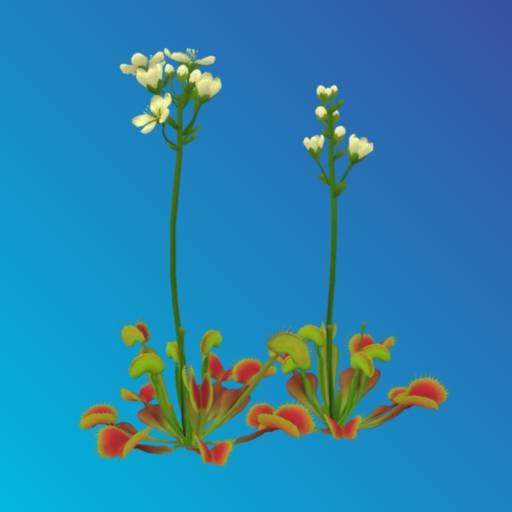

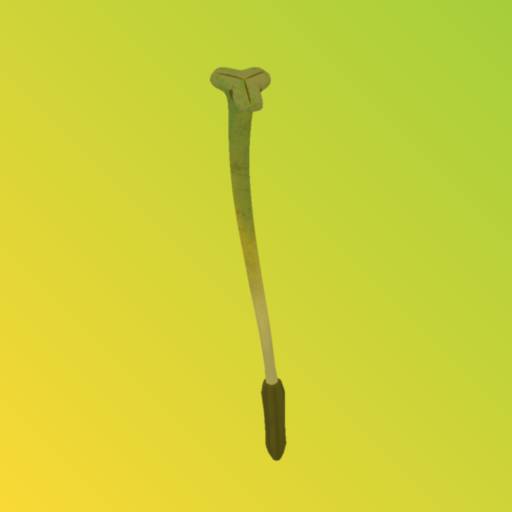

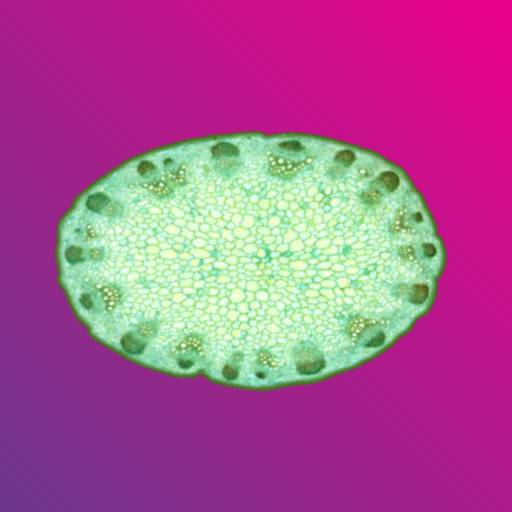
Instead of memorizing vocabulary, students connect words to visible structures they can manipulate. This multisensory approach supports visual, tactile, and kinesthetic learners—especially important in upper elementary and middle school grades where conceptual understanding begins to deepen.


Growing Understanding, One Petal at a Time
Botany is often underestimated in early science education, yet it lays the groundwork for understanding ecosystems, agriculture, climate, and food systems. Giving students strong conceptual roots matters.
The Flowers & Their Structures collection in Merge Object Viewer provides digital teaching aids that make plant anatomy visible, interactive, and memorable. It turns vocabulary into discovery and diagrams into dynamic exploration.
They should be able to hold them in their hands.
Ready to bring hands-on augmented reality into your elementary or middle school science class? Explore the Flowers & Their Structures collection and discover how interactive 3D learning can help your students grow at trymerge.com.