5 Ways to Use Merge EDU to Engage Students After Spring Break
Spring break is a beloved week of vacation for students and teachers everywhere. Using Merge to engage students after the break gets them excited to be back in the class, and focused on learning.
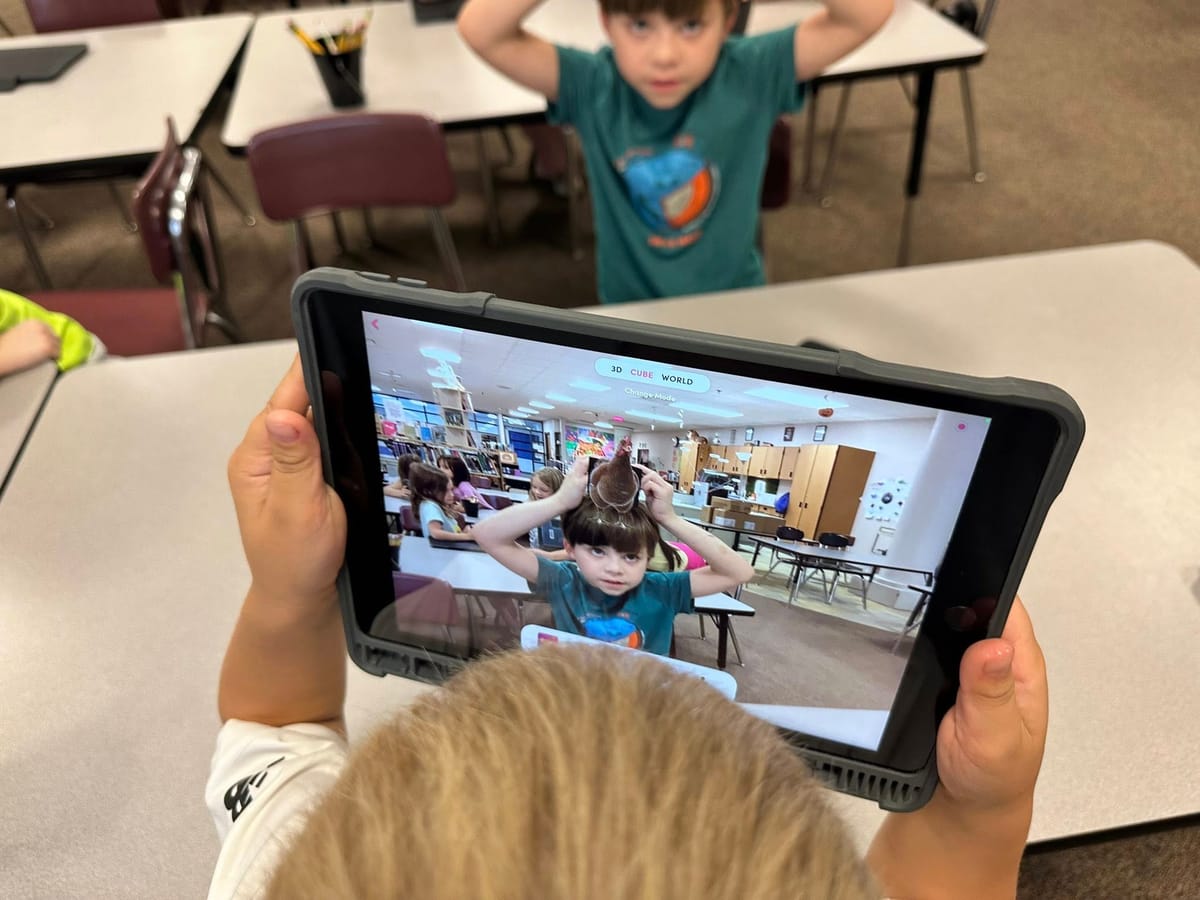
There’s a predictable rhythm to the school year. Energy builds up again after winter break, routines solidify—and then spring break hits. When students return, that momentum can feel distant.
This is where tactile, immersive learning becomes more than just a “nice to have.” It becomes a reset button.
Merge EDU offers a way to bring students back into the learning process by putting exploration directly into their hands. Not through more structure—but through curiosity, interaction, and discovery.
Here are five ways to use it strategically when your classroom needs that post-break spark.
1. Start with Wonder, Not Review
The instinct after a break is to review. But what students often need first is a reason to care again.
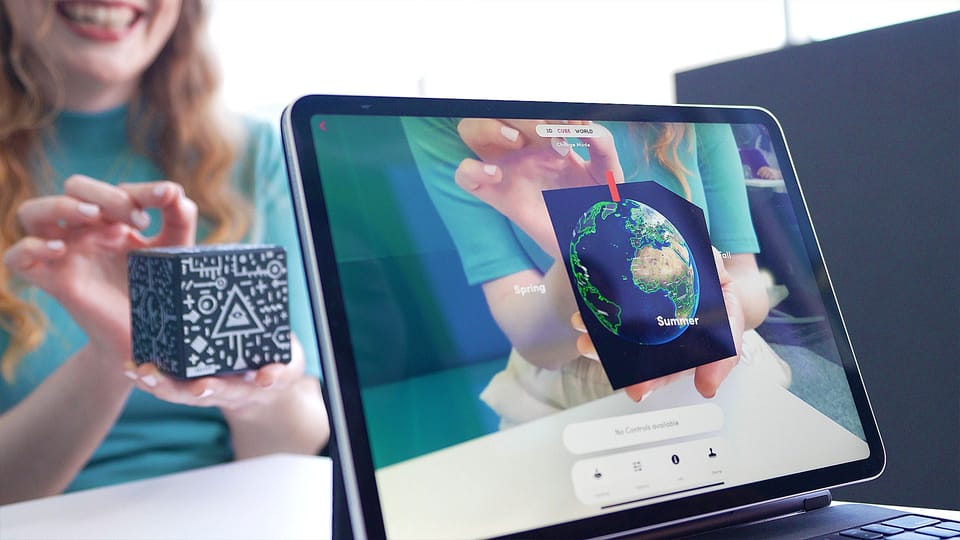
Instead of jumping into notes or worksheets, open with an exploratory experience in Merge Explorer. Let students hold a beating heart, examine the water cycle, or investigate a volcano. Don’t over-explain—just let them interact.
When students begin with questions instead of answers, engagement follows naturally. You’re not pulling them back into school—you’re pulling them into discovery.
 Merge EDU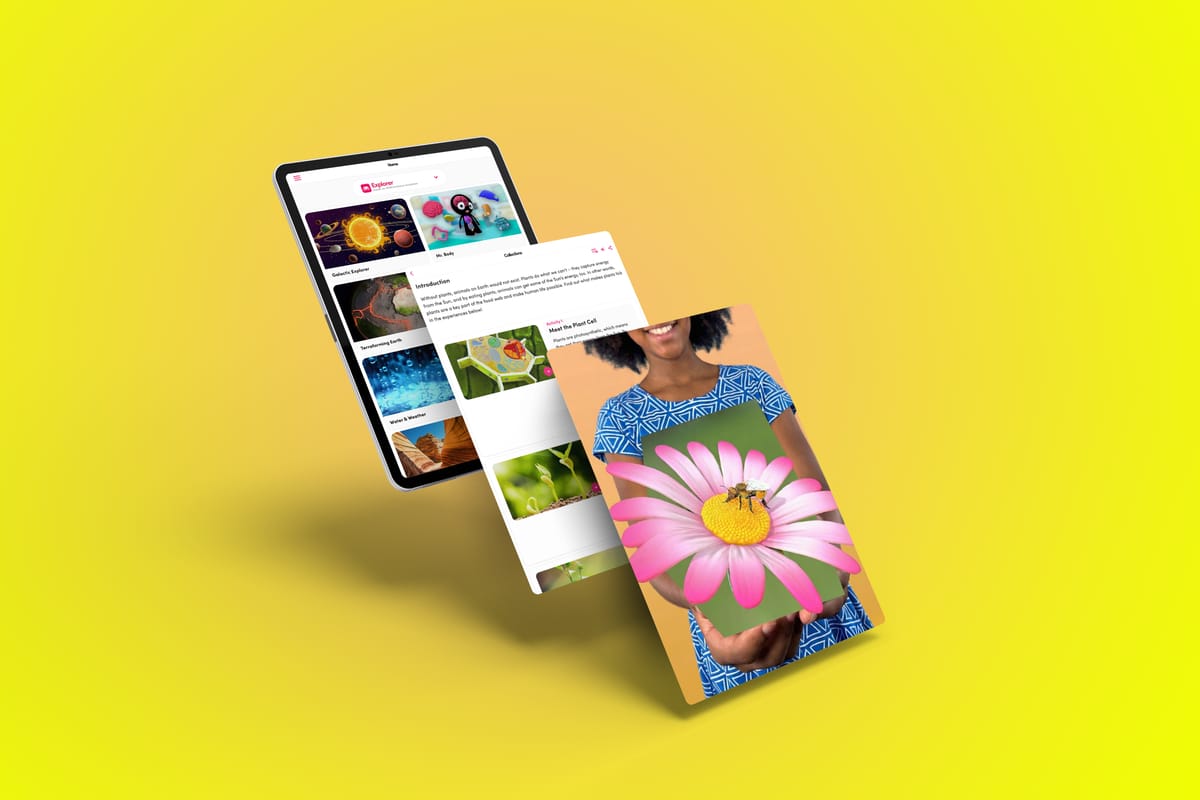
 Merge EDU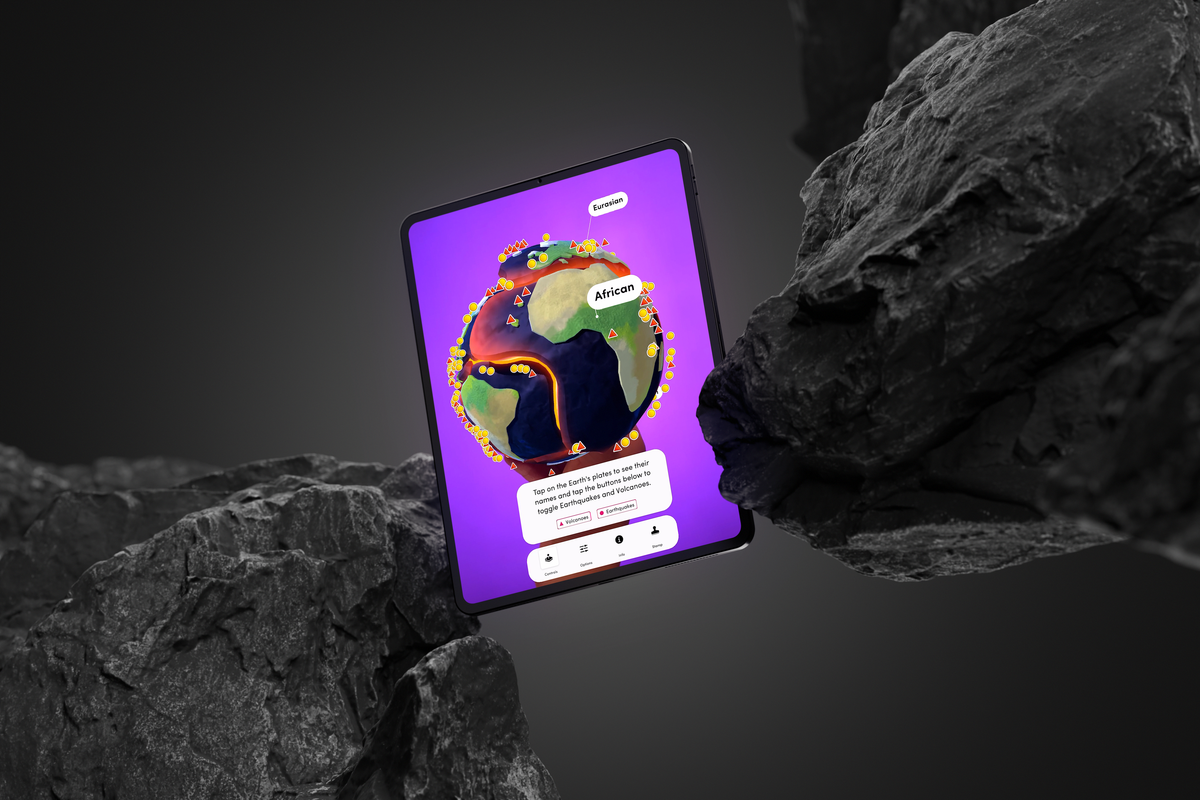
 Merge EDU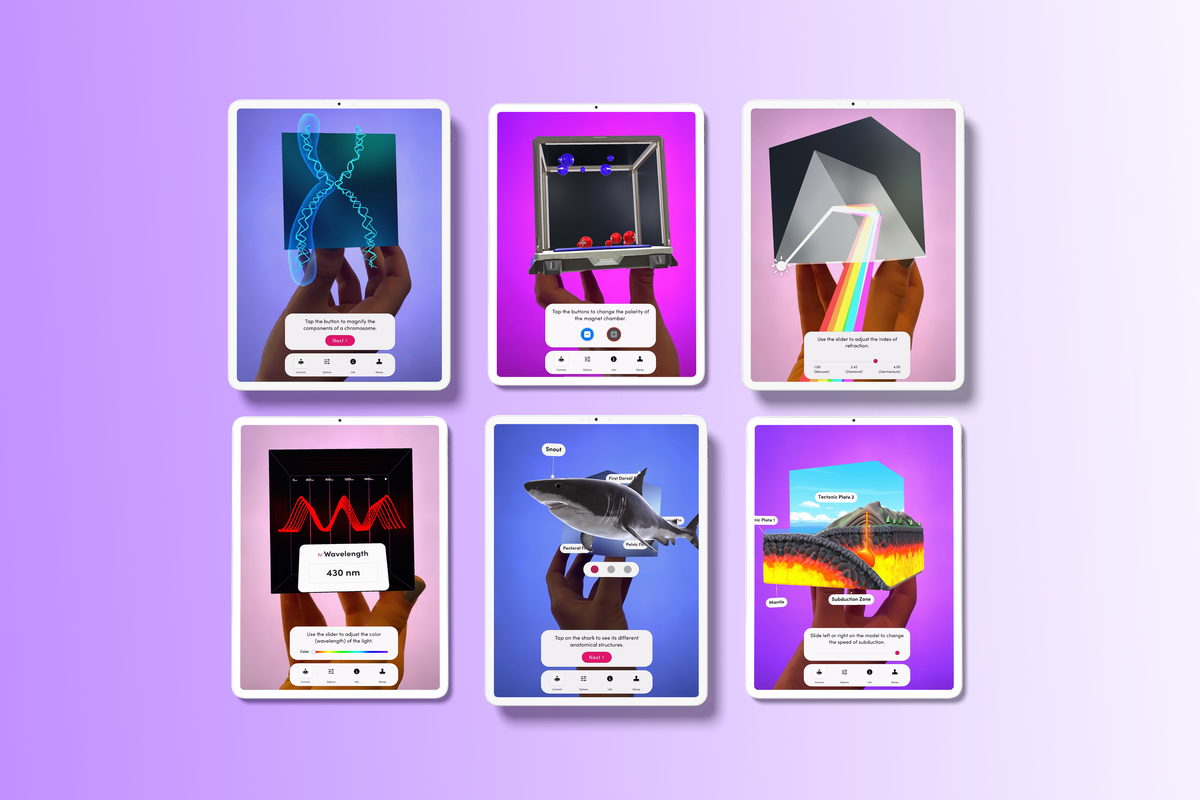
2. Turn Passive Content into Hands-On Moments
Post-break fatigue hits hardest during passive learning. Long explanations and static visuals lose students quickly.
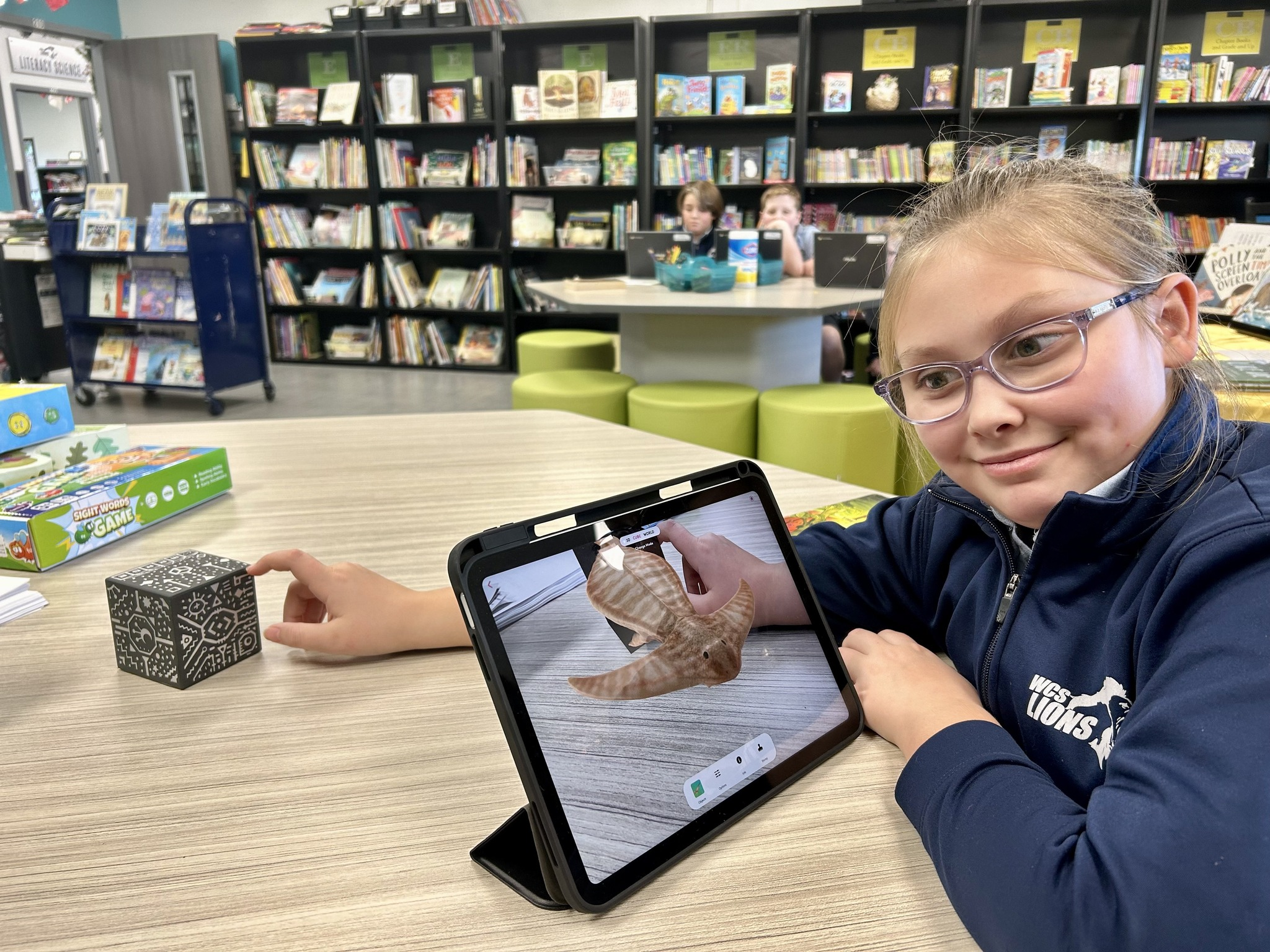
With Object Viewer, even the simplest lesson can become tactile. Studying plant biology? Put a flower in their hands. Covering space? Let them rotate and inspect planetary systems. Exploring engineering? Have them analyze real 3D models instead of diagrams.
The shift is subtle but powerful: students move from observing to investigating. That physical interaction helps rebuild focus without forcing it.
 Merge EDU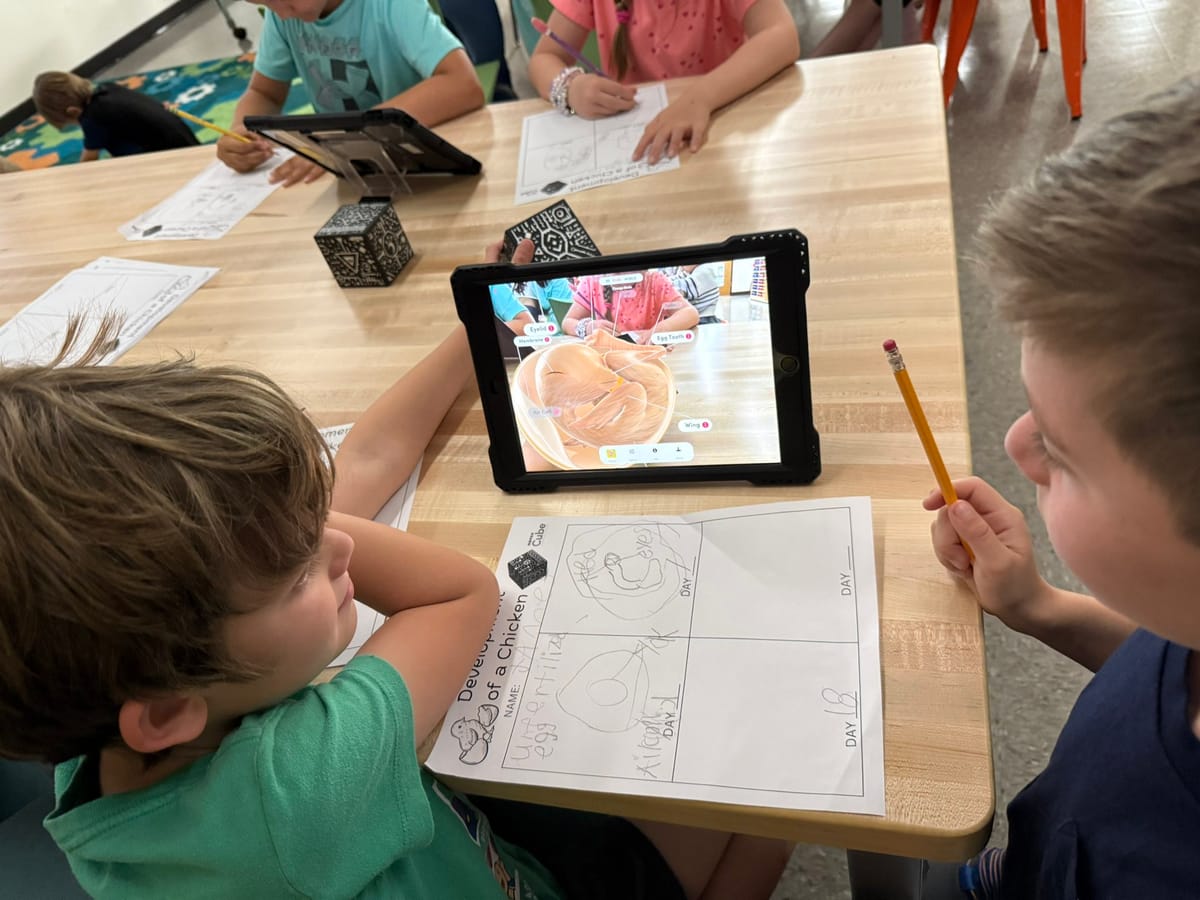
 Merge EDU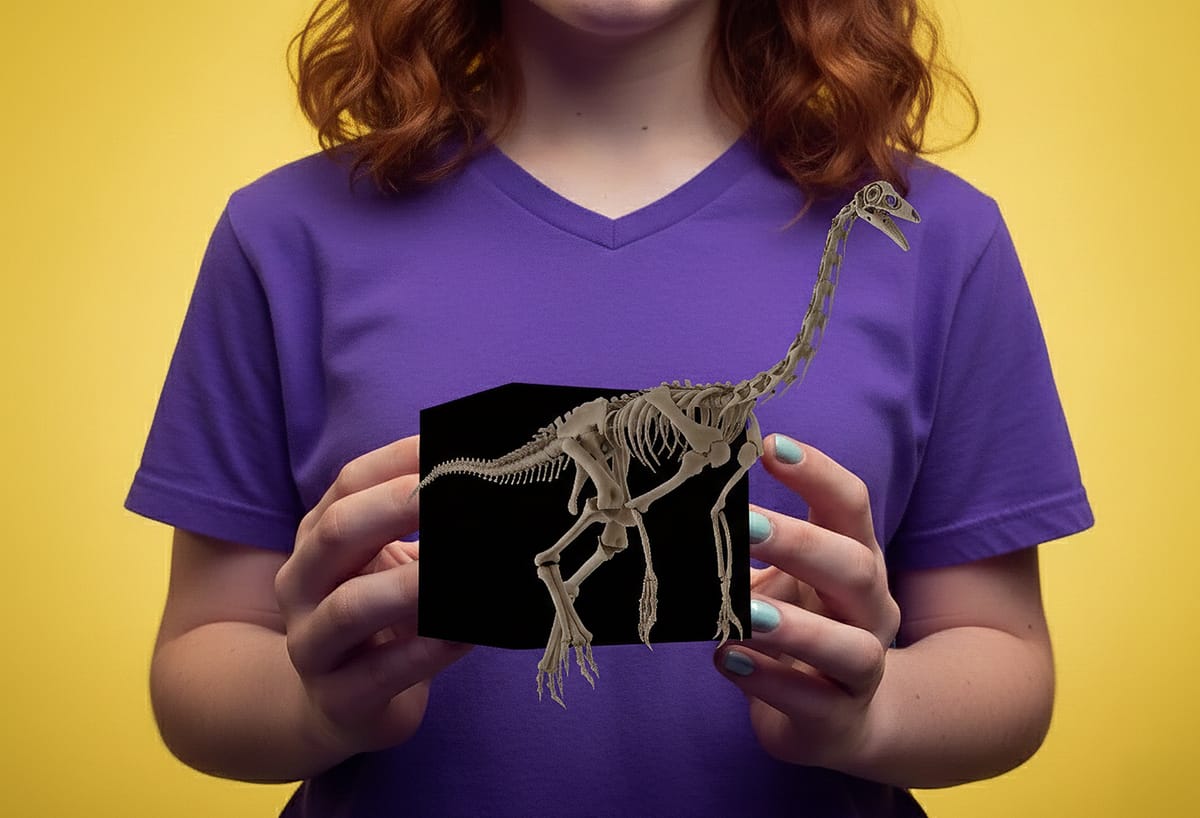
 Merge EDU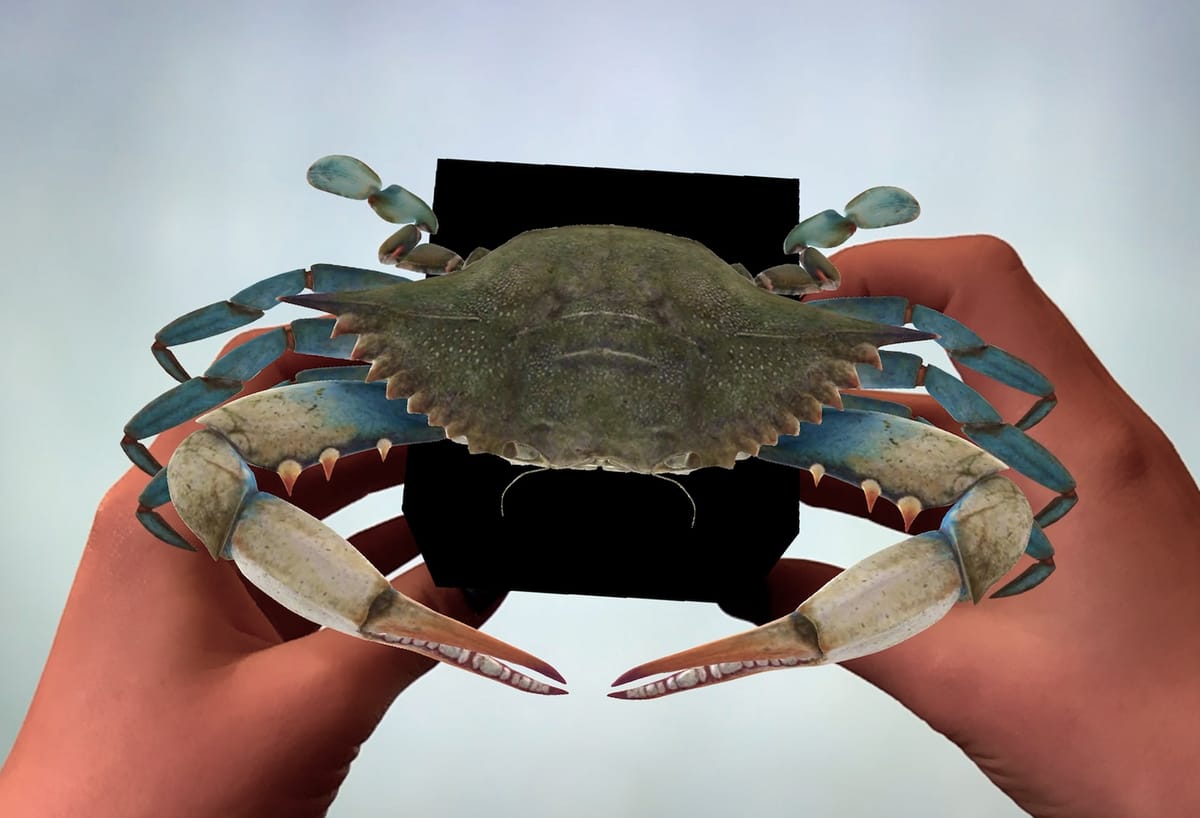
3. Reset Classroom Energy with Quick “Micro-Experiences”
Attention spans after a break don’t always support long activities—and that’s okay.
Use Merge EDU in short bursts. A 5-minute interactive segment at the start of class can re-center attention. A quick exploration in the middle of a lesson can break up cognitive fatigue. Even an end-of-class “preview” can rebuild anticipation for tomorrow.
These micro-experiences act like mental resets. They give students just enough novelty to stay engaged without overwhelming them.
 Merge EDU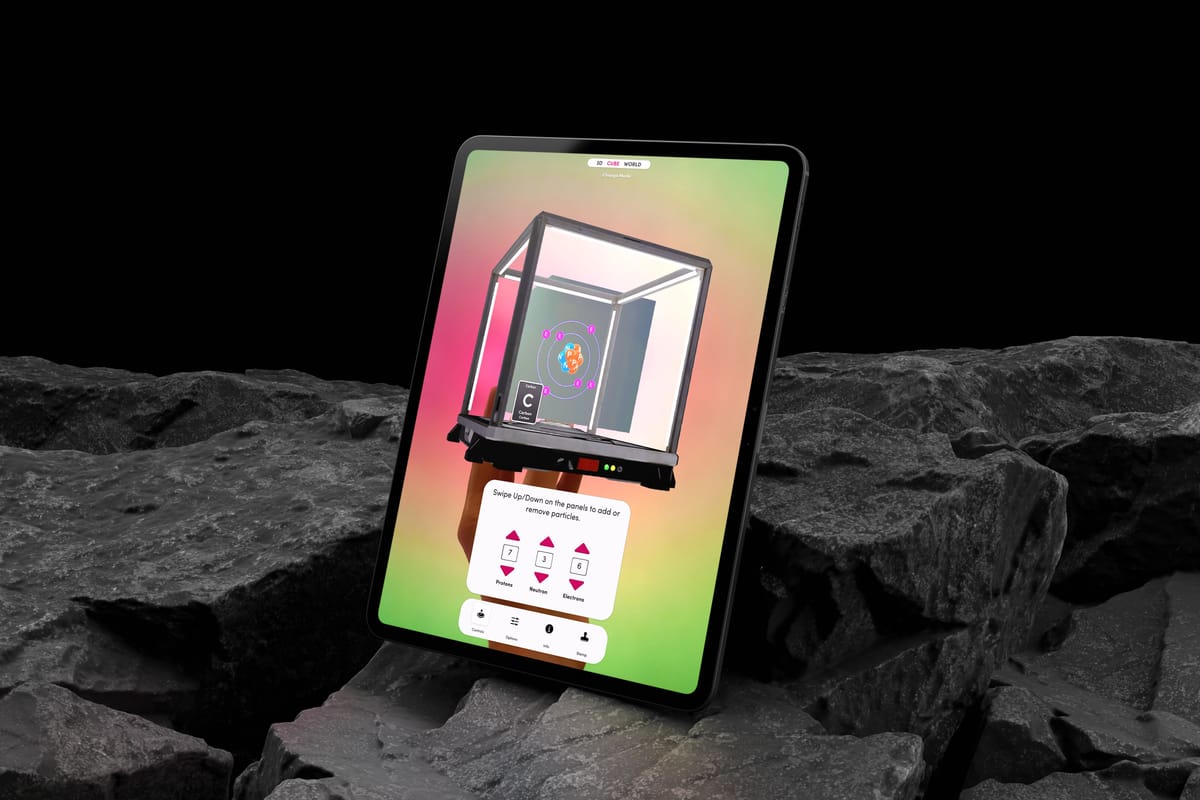
 Merge EDU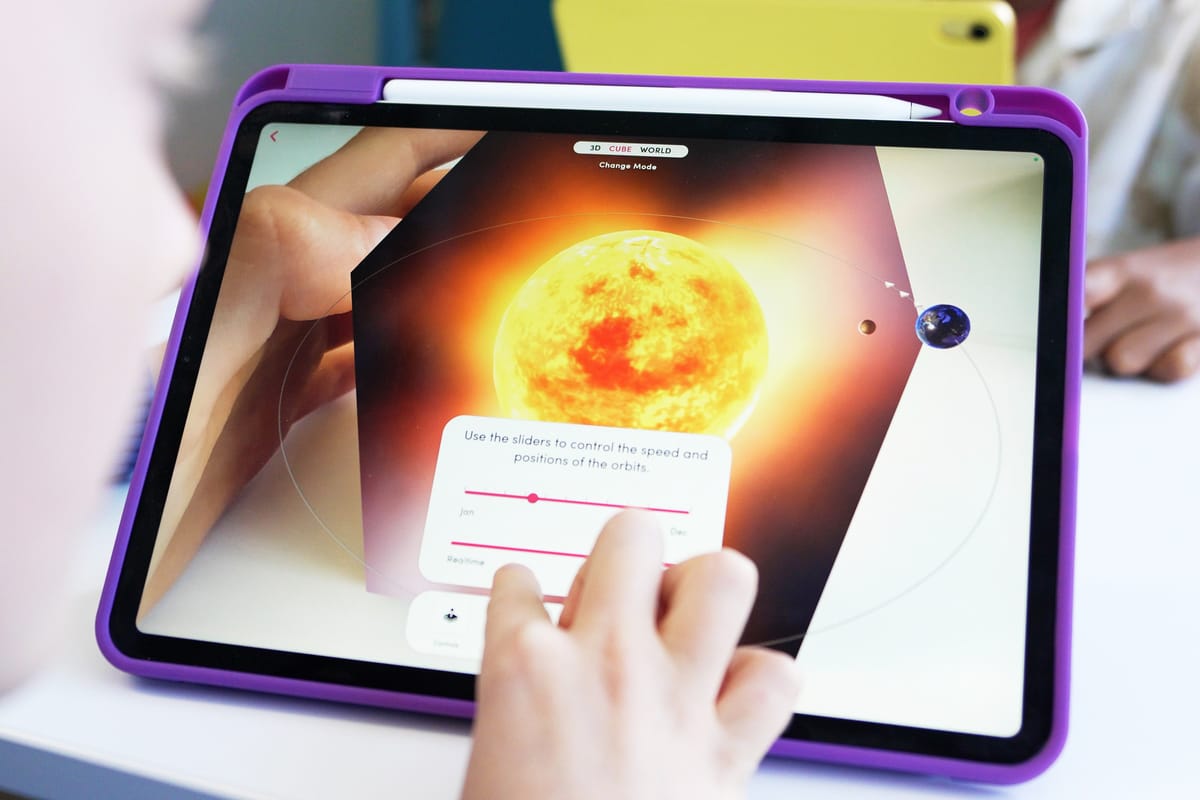
 Merge EDU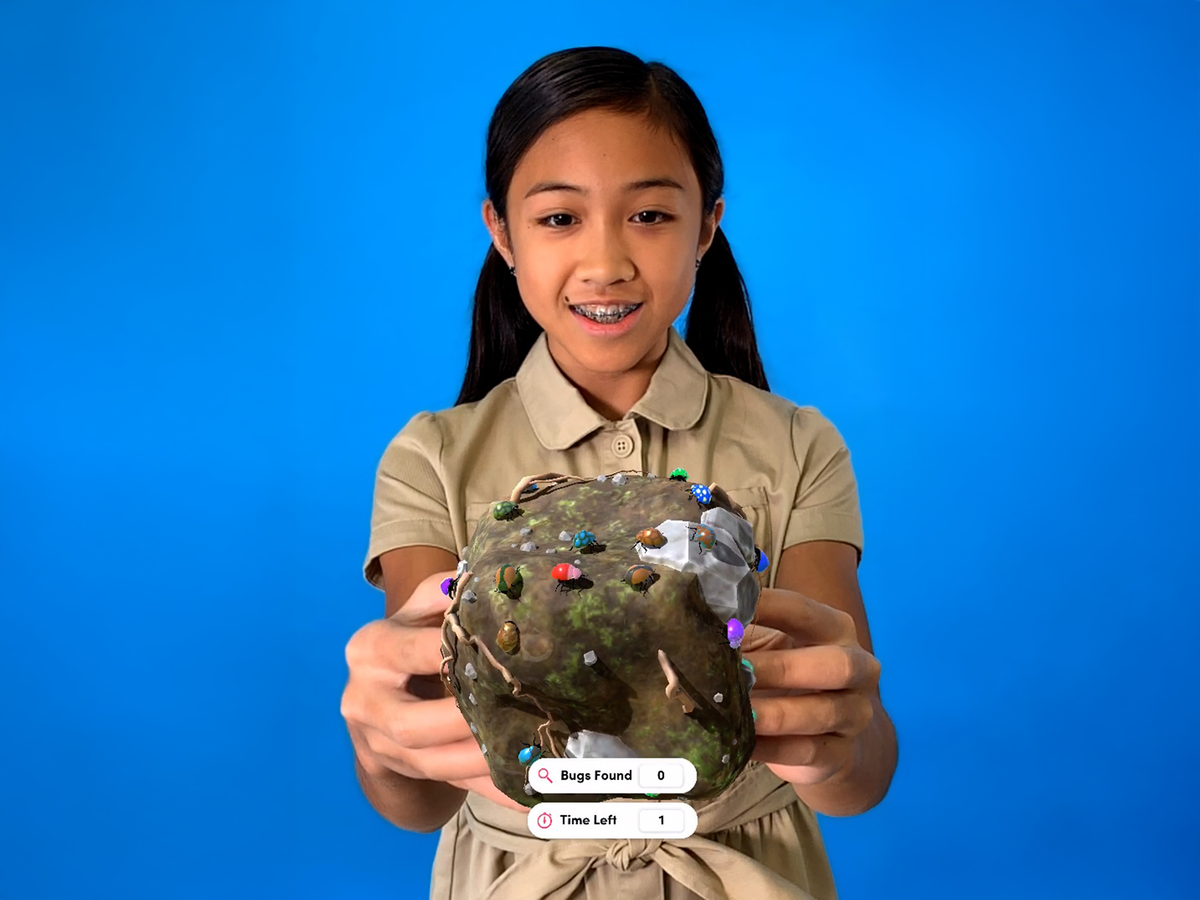
4. Let Students Take Control of the Learning
One of the fastest ways to rebuild engagement is to give students ownership.
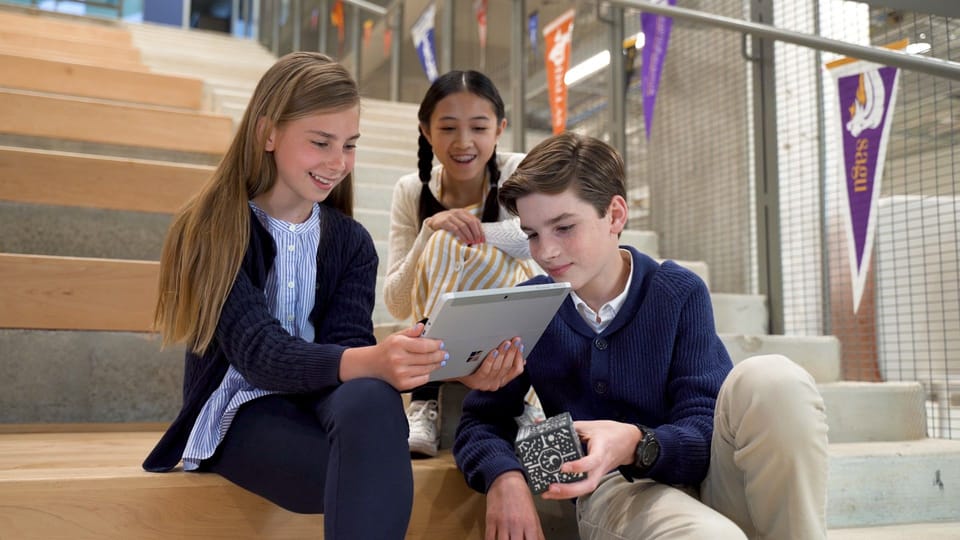
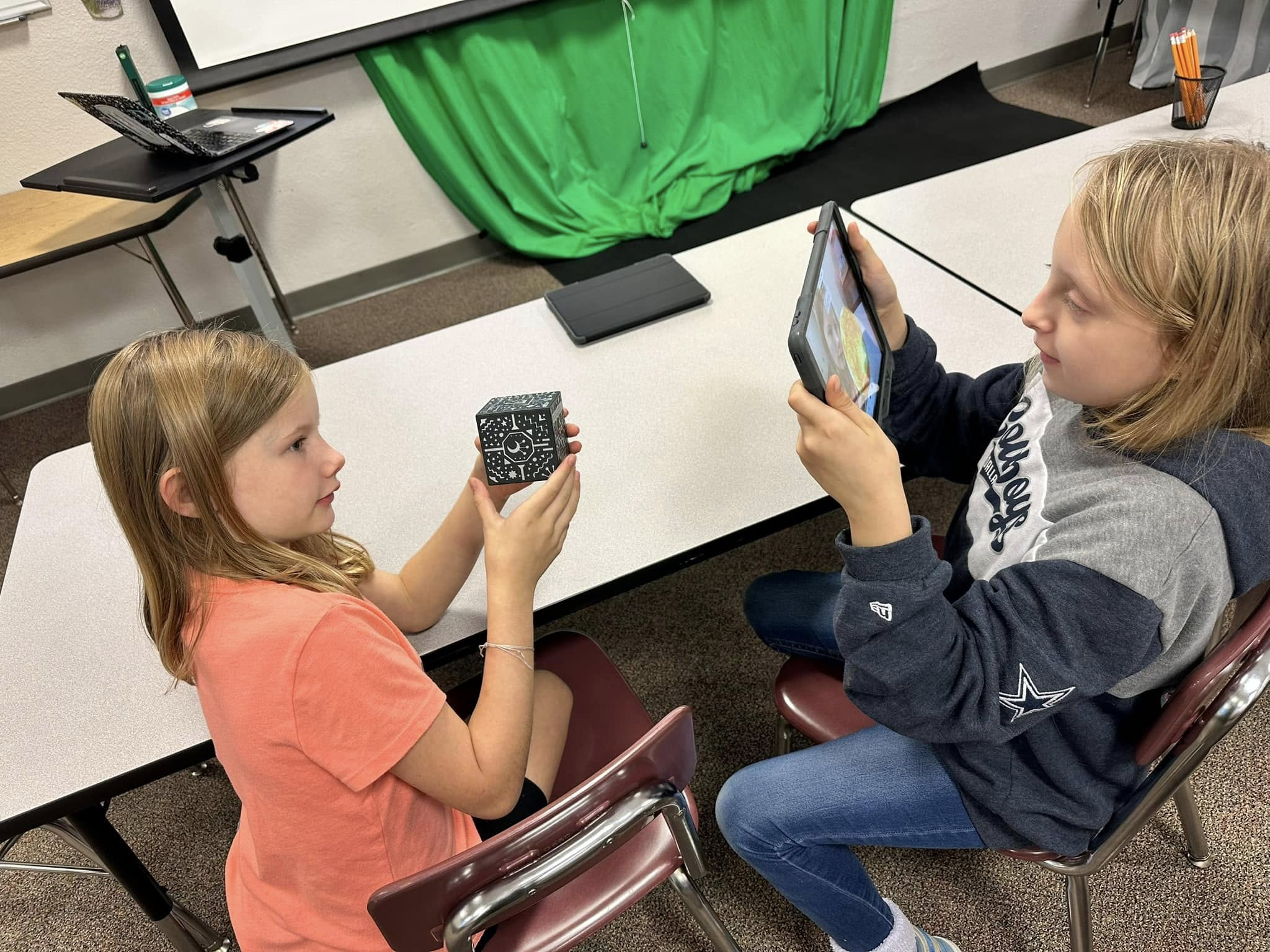
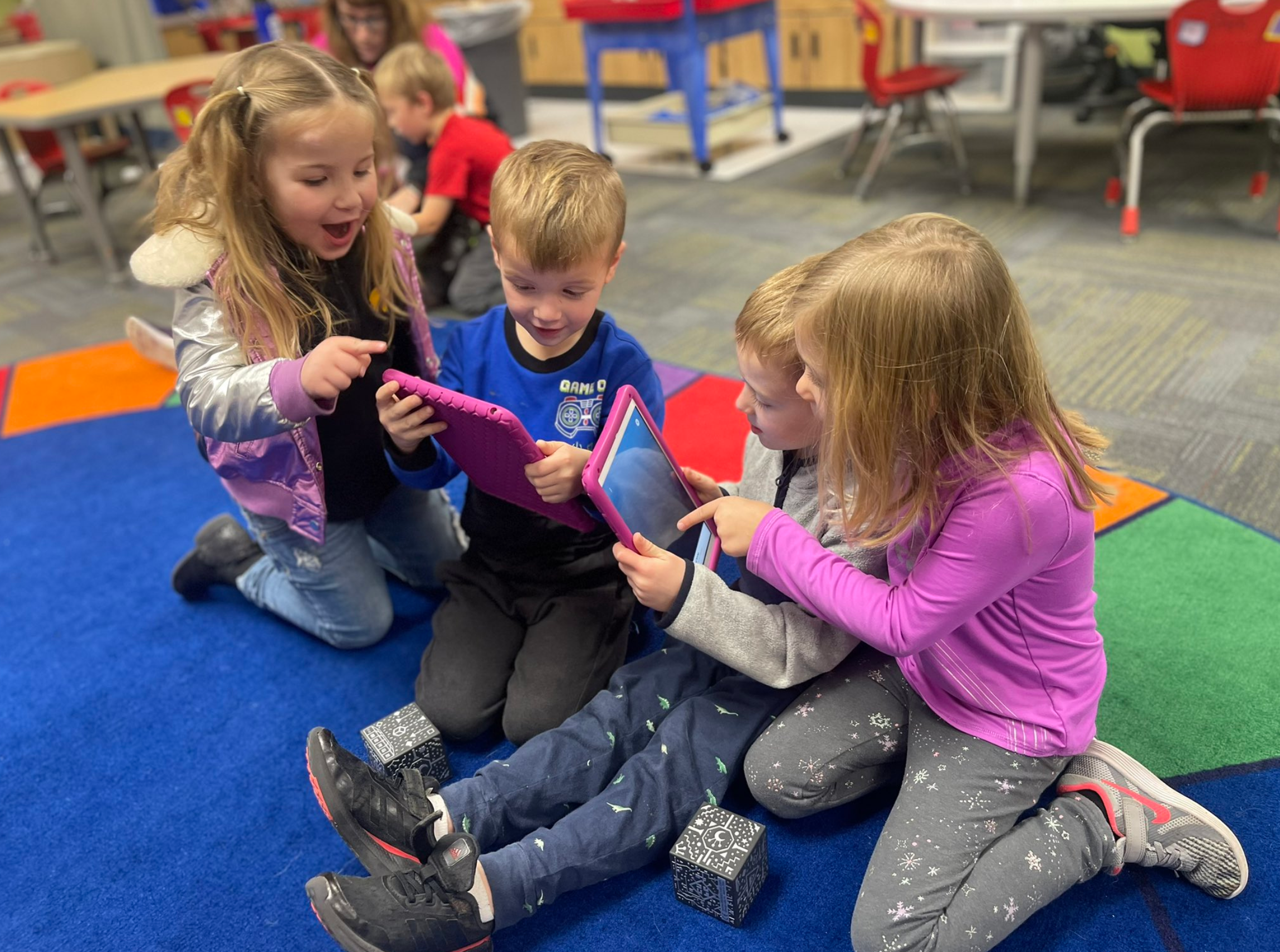
After spring break, try shifting from teacher-led instruction to student-driven exploration. Assign small groups a concept and let them use Merge tools to investigate, analyze, and present what they discover.
When students are physically holding and manipulating the content, they naturally take more responsibility for understanding it. You’re no longer pushing information—you’re facilitating it.
 Merge EDU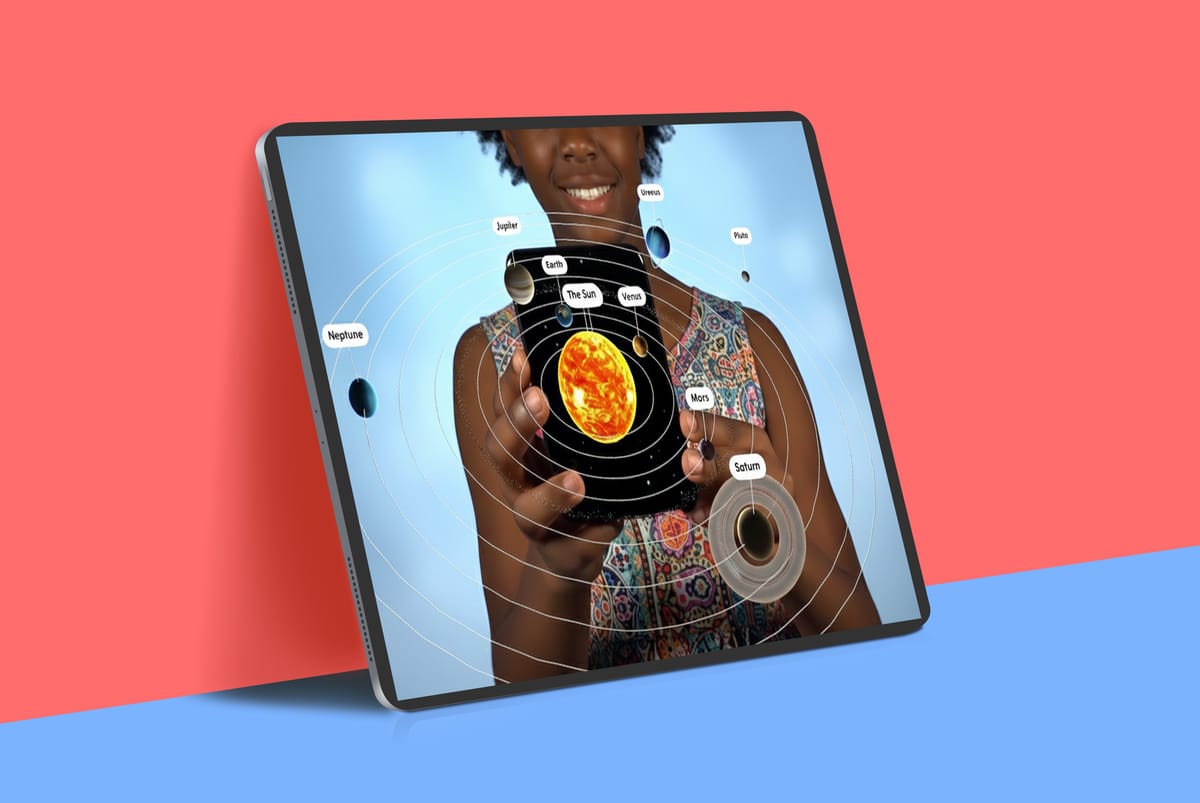
 Merge EDU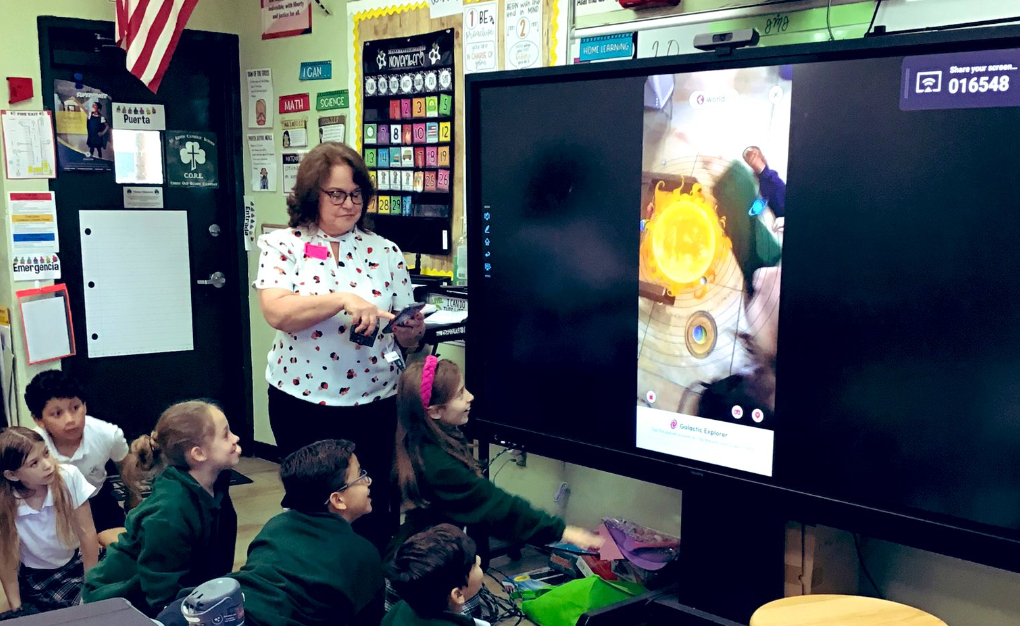
 Merge EDU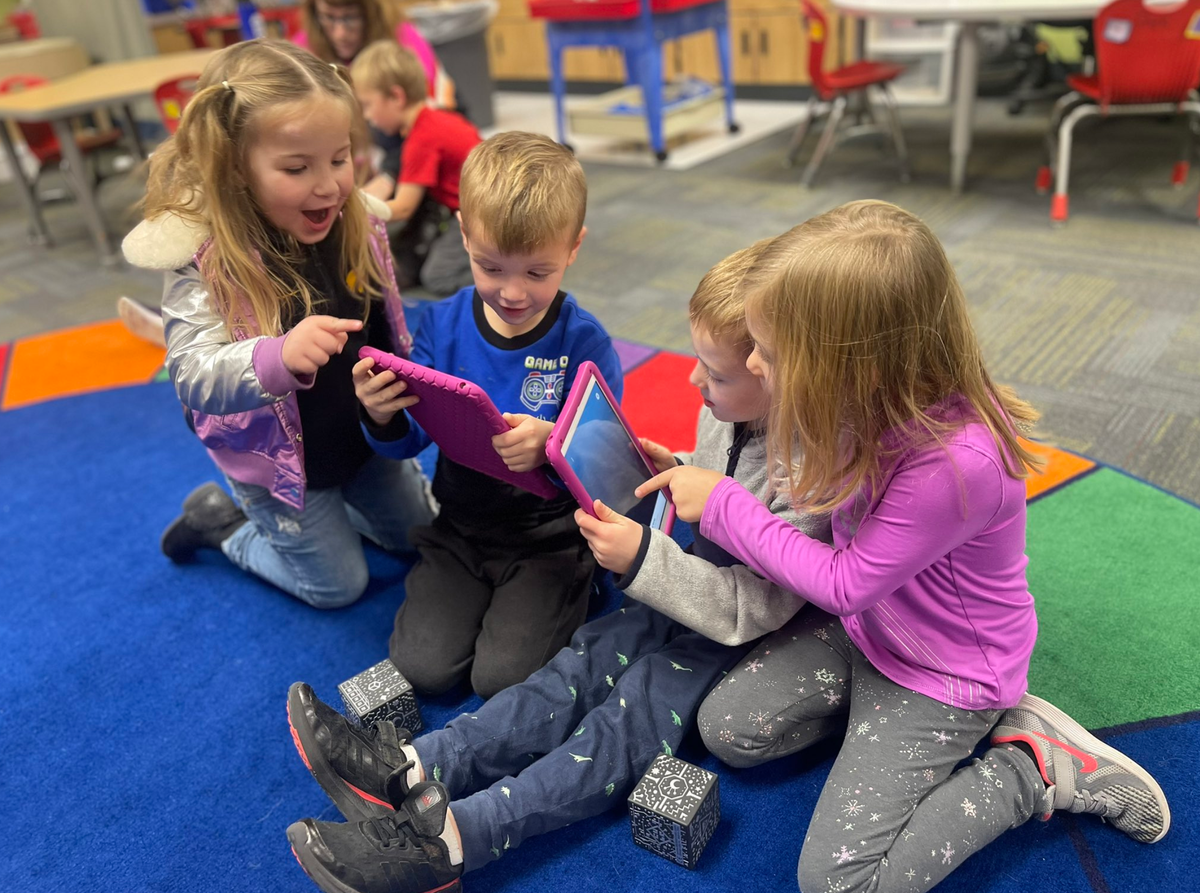
5. Reconnect Learning to Real-World Context
Disengagement often comes from a simple question: “Why does this matter?”
Merge EDU helps answer that by making abstract concepts tangible. Whether it’s visualizing weather systems, understanding human anatomy, or exploring environmental changes, students can see how what they’re learning connects to the real world.
After a break, this connection is critical. It grounds students again and reminds them that what happens in the classroom extends far beyond it.
 Merge EDU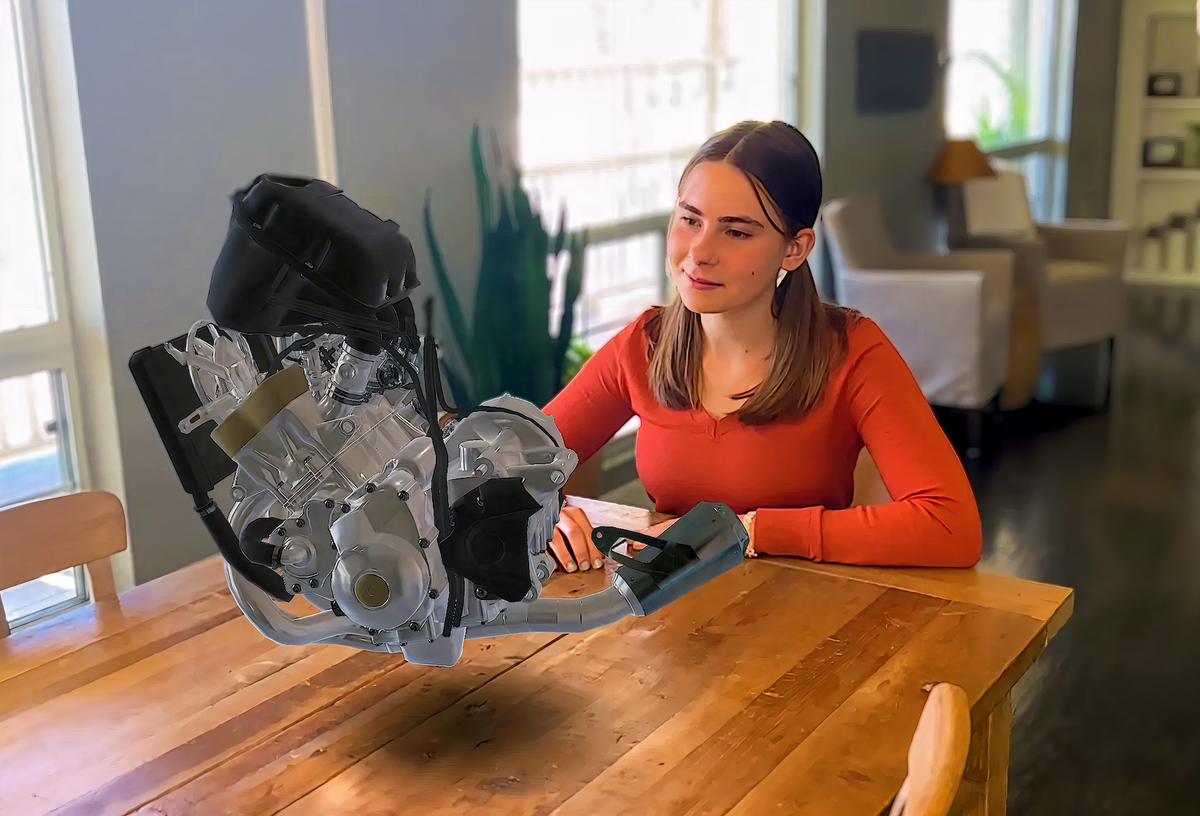
 Merge EDU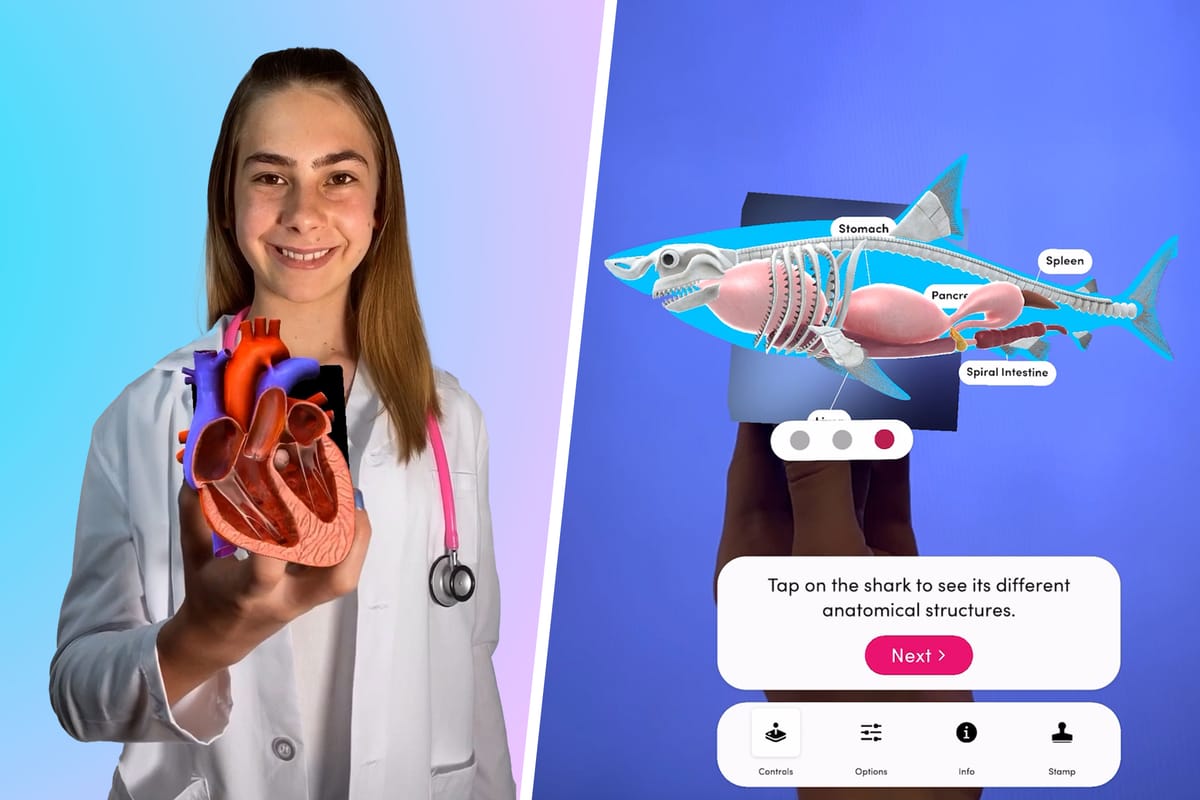
The Bigger Picture
By focusing on hands-on interaction, curiosity-driven exploration, and student ownership, Merge EDU gives you a way to meet students where they are—and guide them back into meaningful engagement.
Sometimes, all it takes is putting learning back into their hands.
Try it out today by visiting trymerge.com to sign up for a free trial, and print a Merge Paper Cube at mergeedu.com/paper.